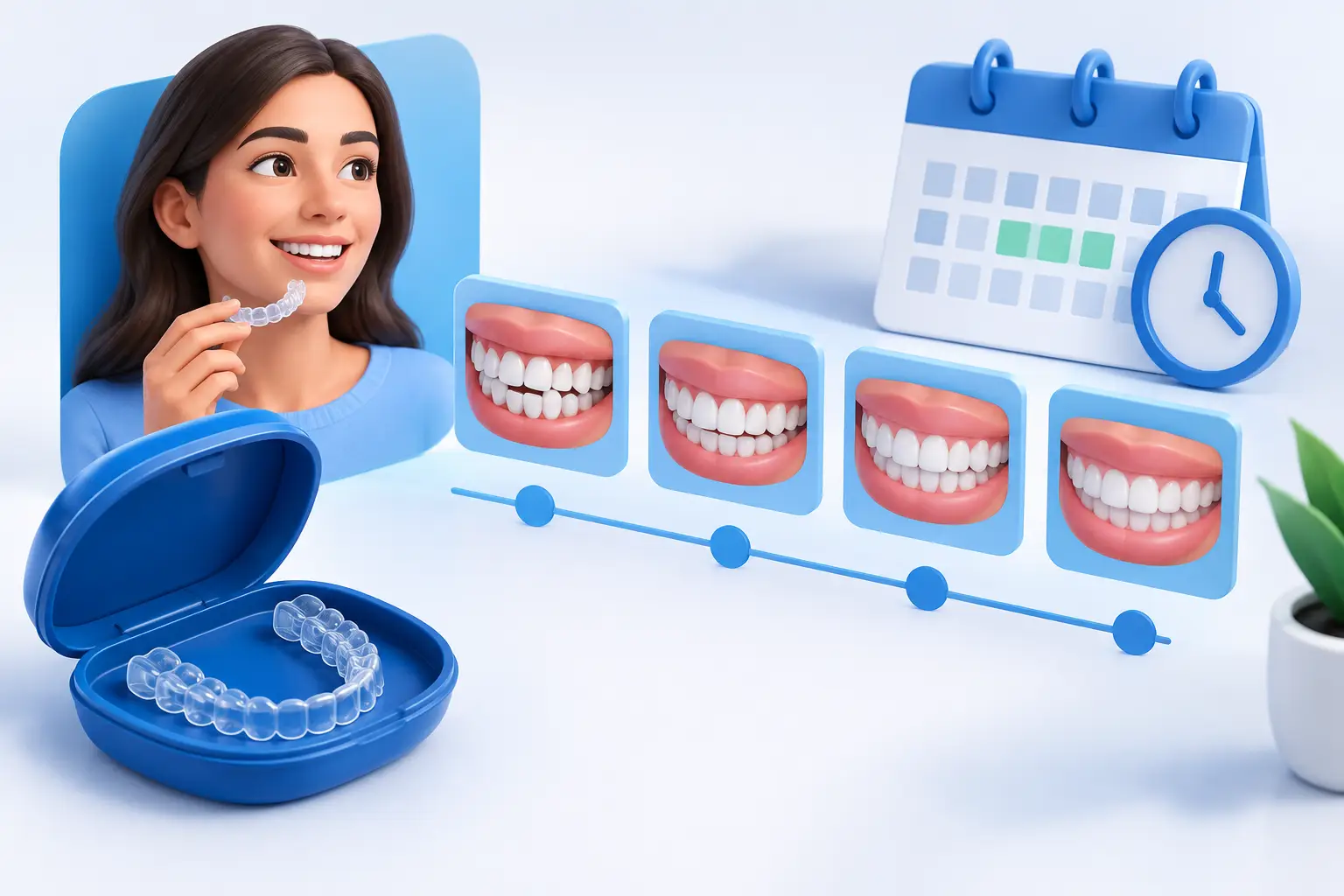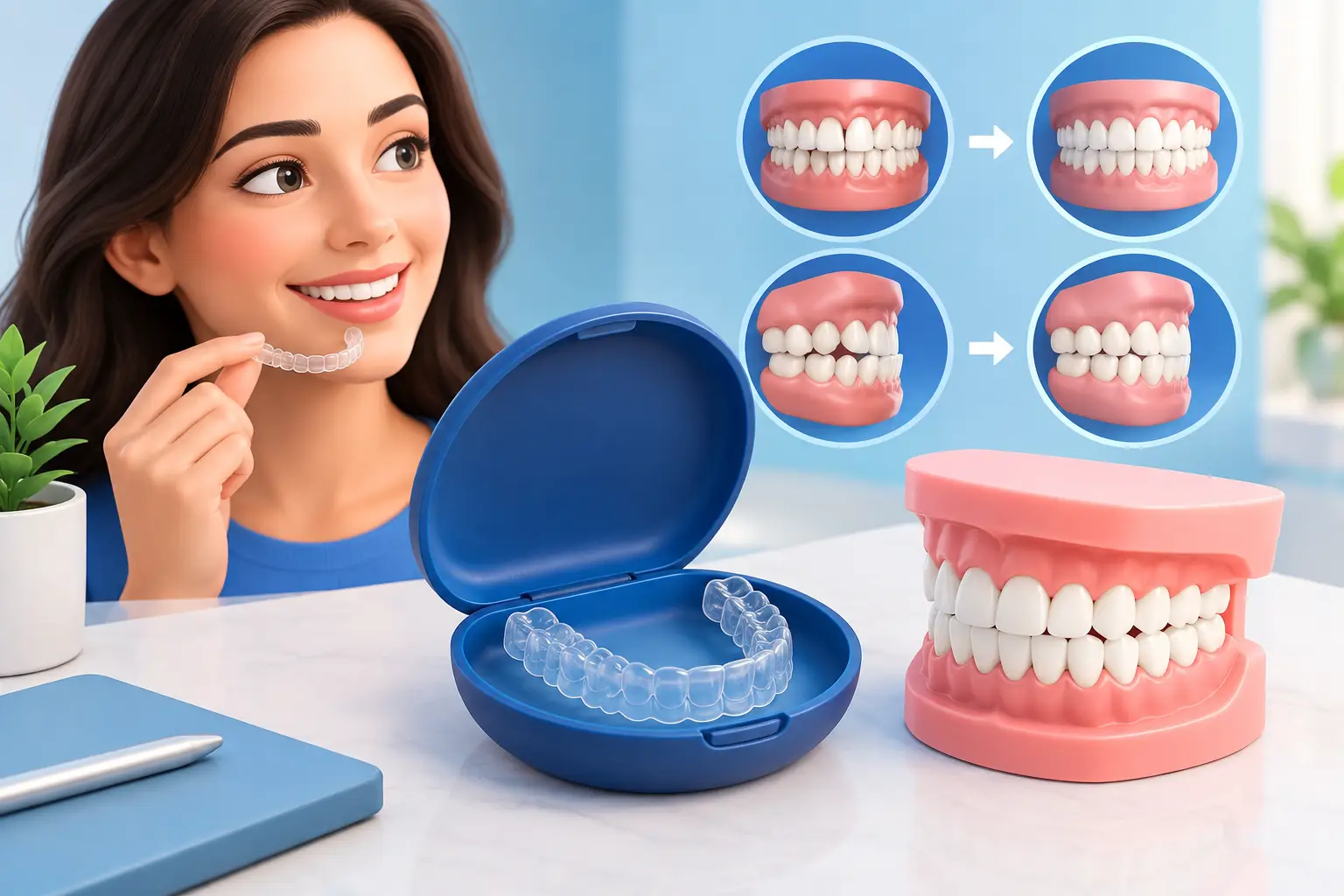

A straighter smile should not require putting every other financial priority on hold. An Invisalign payment plan, Invisalign financing, and monthly payments for Invisalign can help working adults fit orthodontic care into a real-life budget while still choosing treatment thoughtfully. The first step is not selecting a payment method. It is understanding exactly what your treatment plan includes and what you can expect to pay over time.
Start With the Full Invisalign Treatment Cost
Invisalign pricing is individualized because every smile starts in a different place. A short refinement for minor crowding is not the same as treatment that corrects bite alignment, spacing, or more complex tooth movement. Your fee may reflect the length of treatment, the number of aligner sets anticipated, the need for attachments or interproximal reduction, and the level of monitoring your case requires.
That is why the lowest advertised price is not always the best value. Ask what is included in an all-inclusive Invisalign price before comparing one office's number to another. A clear treatment estimate should explain whether it covers the digital treatment plan, aligners, in-office progress visits, necessary refinements, and follow-up after active treatment.
Are retainers included in treatment cost?
Retainers are not an optional extra. Teeth can gradually shift after orthodontic treatment, so wearing retainers as instructed protects the time and money you have invested in your new smile. Some all-inclusive plans include an initial set of retainers, while others bill for them separately. Replacement retainers may also carry an additional fee.
Before you begin, ask directly whether retainers are included in treatment cost, how many sets are provided, and what replacement retainers cost. This small conversation can prevent an unexpected expense at the finish line.
Invisalign Financing and Monthly Payments
Paying the full treatment fee at once may be convenient for some patients, but it is not the only approach. Many dental offices offer an Invisalign payment plan that divides the out-of-pocket portion of treatment into monthly payments for Invisalign. The specific terms vary by practice and by treatment plan, but a typical arrangement may include a down payment followed by scheduled monthly installments.
For a busy professional spreading treatment cost over months, predictable payments can make care easier to plan around rent, childcare, travel, student loans, or other commitments. The right option is one that lets you stay current without creating financial strain.
There is a trade-off to consider. An in-office plan may have a shorter repayment period, while third-party financing can sometimes offer a longer term. Longer terms can lower the monthly amount, but may increase the total cost if interest applies. Review the annual percentage rate, deferred-interest conditions, late-payment policies, and repayment schedule before accepting any financing offer.
CareCredit for Invisalign
CareCredit for Invisalign is a commonly used healthcare financing option. Depending on approval and the options available through your dental office, it may provide promotional financing periods or fixed monthly payment plans. Promotional offers can be helpful when you are confident you can pay the balance within the stated period.
Read the agreement carefully. Some deferred-interest promotions may charge interest from the original purchase date if the balance is not paid in full by the end of the promotional period. If your budget calls for a longer payoff window, a fixed-payment option may be easier to manage than a deadline-driven promotion.
Cherry and Sunbit dental financing
Cherry and Sunbit dental financing are additional third-party options that may offer fast application processes and payment schedules designed for healthcare expenses. Approval, available terms, interest rates, and down-payment requirements depend on the lender and the applicant. Not every office participates with every financing company, so it is reasonable to ask which options are available before your consultation.
The goal is not simply to find the lowest payment shown on a screen. Ask what you will pay in total, when payments begin, whether early payoff is allowed, and what happens if a payment is late. Clear answers make financing feel like a practical tool rather than another source of stress.
Using HSA or FSA for Invisalign
If you have a health savings account or flexible spending account, using HSA or FSA funds for Invisalign may reduce the amount you need to finance. Orthodontic treatment is often an eligible medical expense, but plan rules can differ. Confirm eligibility with your benefits administrator and ask what documentation is required.
An HSA generally lets you use available funds when needed, subject to your plan's rules. An FSA may have annual contribution limits and use-it-or-lose-it deadlines, though some plans offer a grace period or limited carryover. If you are planning treatment near the end of the year, knowing your balance and deadline can help you decide whether to use funds now or coordinate payments across plan years.
In some cases, patients combine methods: HSA or FSA funds for the down payment and a monthly financing plan for the remaining balance. Your dental team can provide a treatment estimate, while your benefits administrator can clarify how reimbursement works.
Get Answers Before You Commit
A free consultation and 3D scan before committing can make the financial conversation much more useful. Rather than guessing about whether Invisalign will work for your smile, you can see a digital assessment of your teeth, discuss your goals, and learn whether clear aligners are the appropriate choice.
The scan also helps your provider explain the complexity of your case and develop a personalized treatment plan. If you have crowns, implants, gum concerns, missing teeth, or a history of dental work, coordinated planning matters. Invisalign can be an excellent option for many adults, but the treatment sequence may need to account for your overall oral health and future restorative needs.
At Seattle Oral Care, patients are encouraged to ask questions without pressure. A consultation should leave you with a clear understanding of the clinical recommendation, estimated treatment timeline, total fee, and payment choices available to you.
Questions Worth Asking About Your Invisalign Payment Plan
Before moving forward, ask whether your quoted fee is comprehensive or whether certain visits, refinements, retainers, or replacement aligners are separate. Ask how much is due at the start, the number and amount of monthly payments, and whether any financing option carries interest.
It is also helpful to ask how dental insurance applies. Orthodontic benefits vary widely, and adult coverage is not guaranteed. If you have coverage, find out whether the office can help estimate your benefit and whether payments are structured around the insurer's schedule. An estimate is useful, but your insurance company makes the final determination of benefits.
Finally, consider what you need from the treatment experience itself. Professionals with demanding schedules may value discreet aligners and appointments that respect their time. Others may care most about a comprehensive plan that considers long-term restorative or periodontal health. Financial flexibility matters, but it should support a treatment plan built for lasting results.
A clear conversation about cost is part of good care. Bring your questions, your insurance details, and your monthly budget to your consultation so you can make a comfortable, informed decision about your smile.