A client-facing presentation, a wedding photo, or simply the wish to smile without covering your teeth can make orthodontic treatment feel more urgent. But is Invisalign worth it when you consider the investment, daily responsibility, and the fact that braces may still be the better tool for some smiles? The answer is personal - and it should come from a clear look at your teeth, bite, goals, and lifestyle rather than a one-size-fits-all promise.
For many adults, clear aligners offer a comfortable, discreet path to a straighter smile. For others, braces provide more predictable control for complex movement. The best choice is the one that can safely achieve a healthy, lasting result and fits your life well enough that you can follow through.
Invisalign Pros and Cons: The Real Trade-Offs
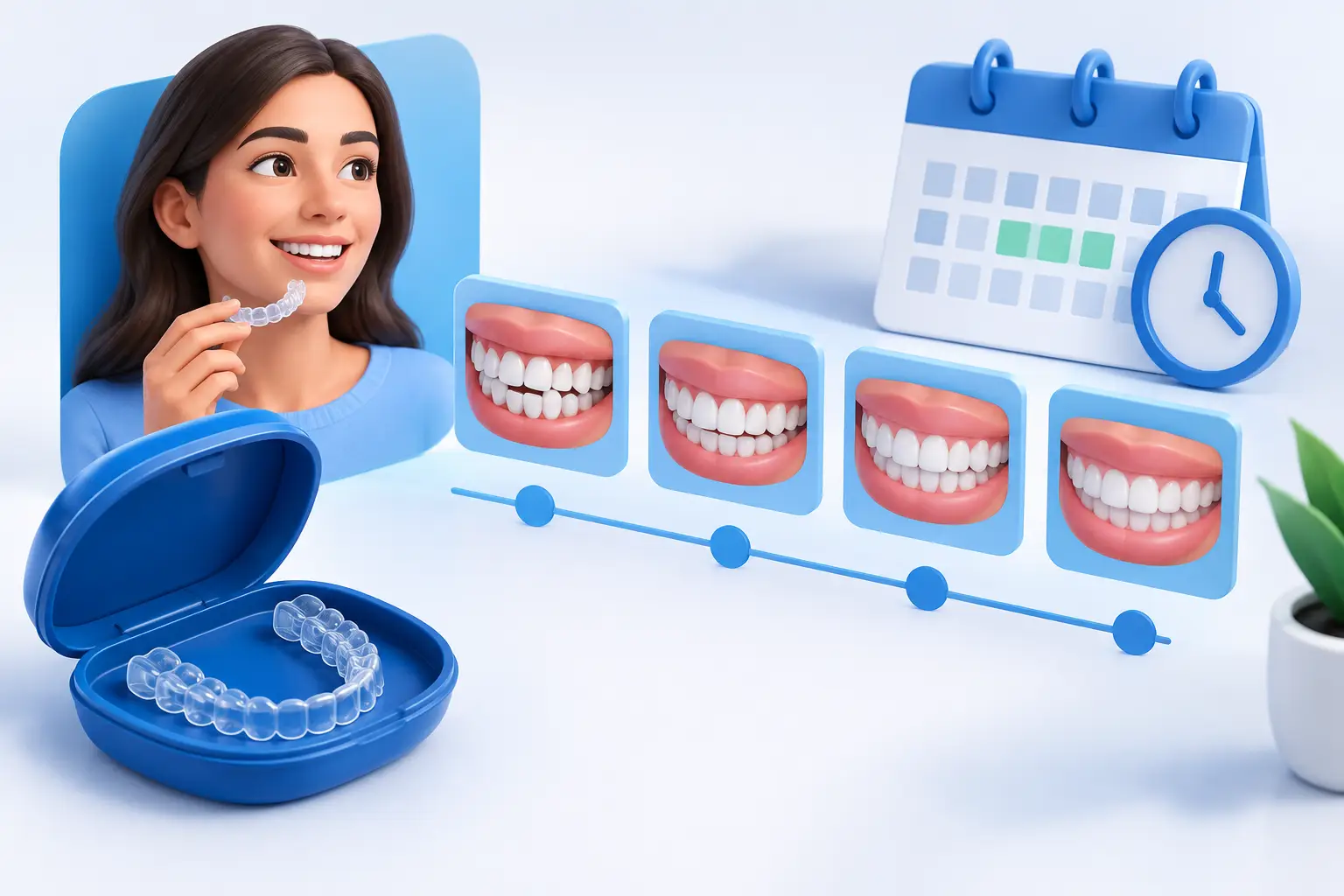
Invisalign treatment uses a series of custom, removable clear aligners to gradually move teeth. Each set is worn for most of the day, typically 20 to 22 hours, before progressing to the next set according to your treatment plan.
The most obvious benefit is appearance. A professional who wants discreet treatment may appreciate being able to speak, meet with clients, and attend events without the visible brackets and wires of traditional braces. Aligners are also removable for meals, brushing, and flossing. That can make normal oral hygiene easier and lets you enjoy foods that may be inconvenient or off-limits with braces.
Comfort is another meaningful advantage. Clear aligners have smooth edges and do not use wires that can poke the cheeks or lips. There can still be pressure, especially when beginning a new aligner, but many patients find it manageable. Because you remove the trays to eat, there is no need to change your diet around brackets.
Those benefits come with responsibility. Aligners only work when they are worn consistently. Taking them out for long lunches, frequent snacking, or evenings out can slow progress and affect the final result. They also need to be cleaned daily, stored safely in their case, and kept away from heat. A lost aligner can interrupt treatment and may add cost.
The main Invisalign pros and cons are not just about visibility. They are about fit. If you value flexibility and can reliably wear aligners as directed, they can be an excellent option. If you know a removable appliance is likely to spend too much time on the counter, fixed braces may offer a more dependable route.
Invisalign vs. Braces for Adults: Which Gives Better Results?
Neither treatment is automatically better. Both can straighten teeth, close spaces, improve crowding, and help create a healthier bite when planned appropriately. The difference is in how each system applies force and how much control is needed for your specific tooth movements.
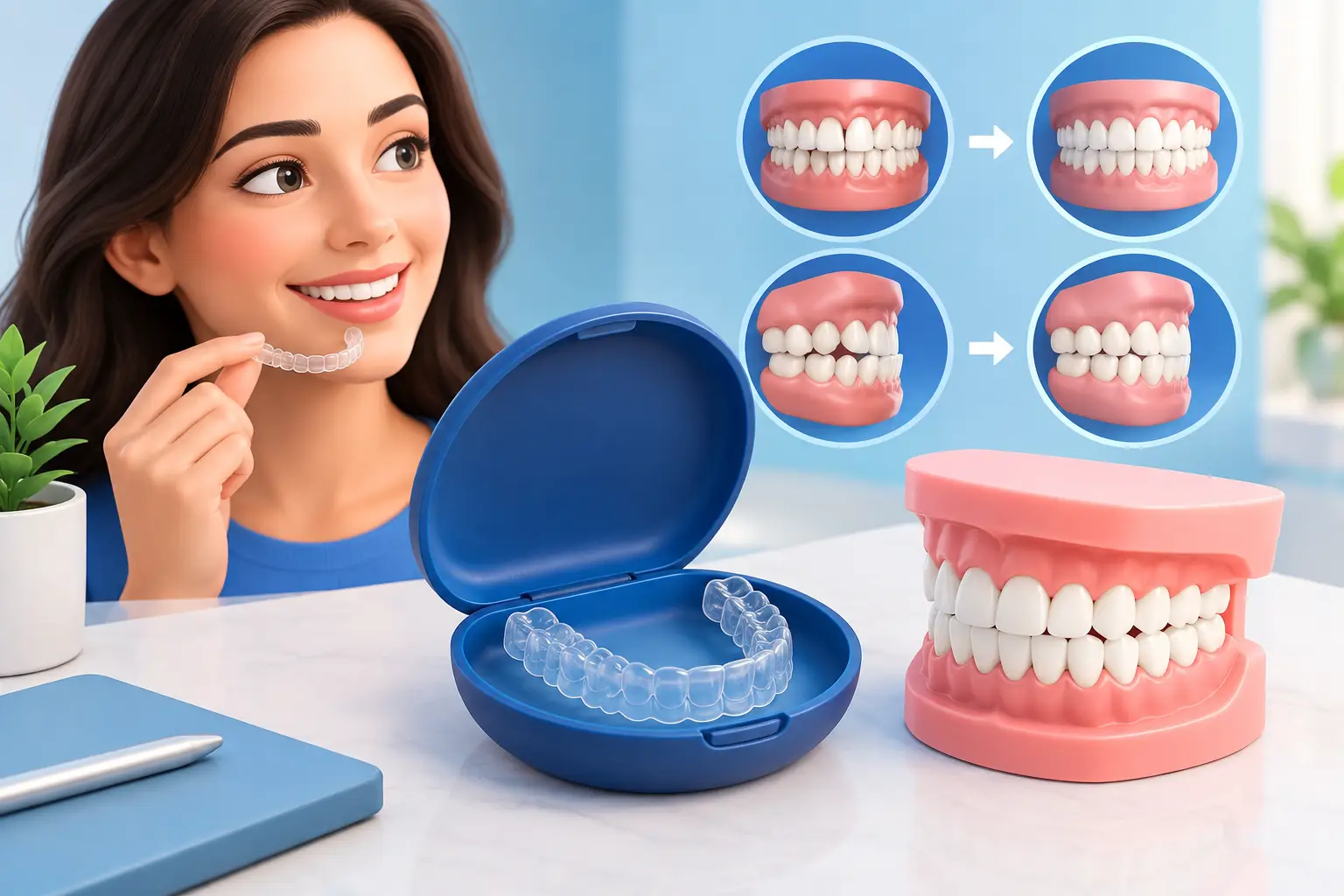
Clear aligners can work very well for mild to moderate crowding, spacing, relapse after previous orthodontic treatment, and many bite concerns. Modern aligner treatment can also address more involved cases with attachments - small, tooth-colored shapes temporarily bonded to teeth - and other techniques that help the aligners grip and move teeth precisely.
Traditional braces may be recommended when teeth need significant rotation, major vertical movement, substantial bite correction, or other complex changes. Because braces remain attached to the teeth, they can provide continuous control without relying on wear-time habits. That does not mean braces are a failure or a compromise. For the right case, they are often the most efficient and reliable choice.
An adult deciding between clear aligners and braces should also consider daily routines. Aligners are removed for eating and oral hygiene, while braces stay in place and require more careful brushing around brackets. Braces can be highly effective for patients who prefer not to manage removable trays. Clear aligners can be especially appealing for adults who want treatment to be less noticeable and who are prepared to wear them consistently.
Is Invisalign Worth the Money?
The cost of Invisalign varies because no two treatment plans are identical. A short plan for minor crowding generally requires fewer aligners and appointments than comprehensive treatment involving bite correction, multiple attachments, or detailed finishing work. Geographic area, the experience of the treating dentist, retainers, and whether additional aligners are needed can also affect the total investment.
For a parent weighing cost against time and comfort, it helps to look beyond the starting number. A lower-priced option is not necessarily less expensive if treatment is incomplete, results shift quickly, or a child or adult needs corrective care later. A properly planned orthodontic investment includes more than straight front teeth. It considers bite function, gum health, tooth stability, and retention after active treatment ends.
Many patients find Invisalign worth the money because the convenience matters. They can remove aligners for meals, maintain their normal brushing and flossing routine, and feel more confident during treatment. Others decide those lifestyle advantages do not outweigh the cost, or they prefer braces because they want fixed appliances and a different level of control.
Before moving forward, ask what is included in the quoted fee. A transparent conversation should cover diagnostic records, aligners, planned visits, attachments if needed, refinement aligners, retainers, and the financial impact of lost trays or missed appointments. Understanding the full plan helps you compare options fairly.
Comprehensive Treatment vs. At-Home Aligners
At-home aligners can appear appealing because they promise convenience and a lower upfront price. However, moving teeth changes more than the way a smile looks in photos. Teeth, gums, jaw function, existing restorations, and bite relationships all deserve careful evaluation before treatment begins.
Comprehensive treatment starts with an examination and diagnostic records. Your dentist can assess for cavities, gum inflammation, tooth wear, unstable restorations, jaw discomfort, and bite issues that could affect orthodontic planning. Some patients need preventive or restorative care first. In a practice with coordinated dental expertise, that planning can be especially valuable when crowns, implants, missing teeth, or more extensive dental needs are part of the picture.
In-person oversight also matters as teeth begin to move. Your treatment plan may need adjustments based on how your teeth respond. Refinements are common and are not necessarily a sign that anything has gone wrong. They are often part of achieving the detailed fit and alignment that makes a result feel complete.
At-home systems may be appropriate only in limited situations, but they are not a substitute for a thorough diagnosis. If a plan is focused only on straightening visible front teeth without evaluating bite health, the lower initial cost may carry greater risk later.
What a Free Consultation and Scan Can Tell You
A free consultation and scan, when offered, can replace much of the guesswork with useful clinical information. Digital scanning creates a detailed model of your teeth without traditional impression material. It helps show where crowding, spacing, or bite imbalance exists and can support a more informed conversation about possible treatment paths.
A consultation should help answer practical questions: Are clear aligners likely to achieve your goals? Would braces offer better control? Is your oral health ready for orthodontic treatment? How long might treatment take, and what level of commitment will it require?
It is also your opportunity to discuss what matters to you. You may be concerned about the visibility of braces, nervous about dental appointments, or wondering how treatment fits around travel, school, family schedules, or work. Those are not minor details. A thoughtful plan accounts for them.
How to Tell if You’re a Good Candidate
You may be a good candidate for Invisalign if you have healthy teeth and gums, are ready to wear aligners nearly full-time, and have concerns that can be predictably treated with clear aligners. Adults who had braces years ago and have noticed teeth shifting are often good candidates, though an exam is the only way to know.
You may need a different approach if you have active gum disease, untreated decay, certain complex bite concerns, or difficulty committing to the required wear time. These issues do not mean a straighter smile is out of reach. They simply mean your treatment should begin with the right foundation and the right orthodontic tool.
At Seattle Oral Care, the goal of a consultation is not to steer every patient toward aligners. It is to help you understand your options, feel heard, and choose treatment with confidence. A straighter smile should support your comfort, oral health, and daily life - not create more uncertainty.