Being told to sleep on your side can sound reassuringly simple. Positional therapy for sleep apnea may reduce airway blockage for some people, especially when breathing disruptions happen mainly while lying on the back. But if you are wondering whether sleep apnea sleeping on side is enough treatment, the honest answer is: it depends on what is causing your airway to narrow and how consistently your breathing is protected through the night.
Side sleeping is a useful habit for many people. It should not be treated as proof that sleep apnea has been resolved. A sleep evaluation and a thoughtful conversation with your care team can show whether position is one helpful part of your plan or whether you need treatment that works in every sleeping position.
Does Sleeping Position Affect Sleep Apnea?
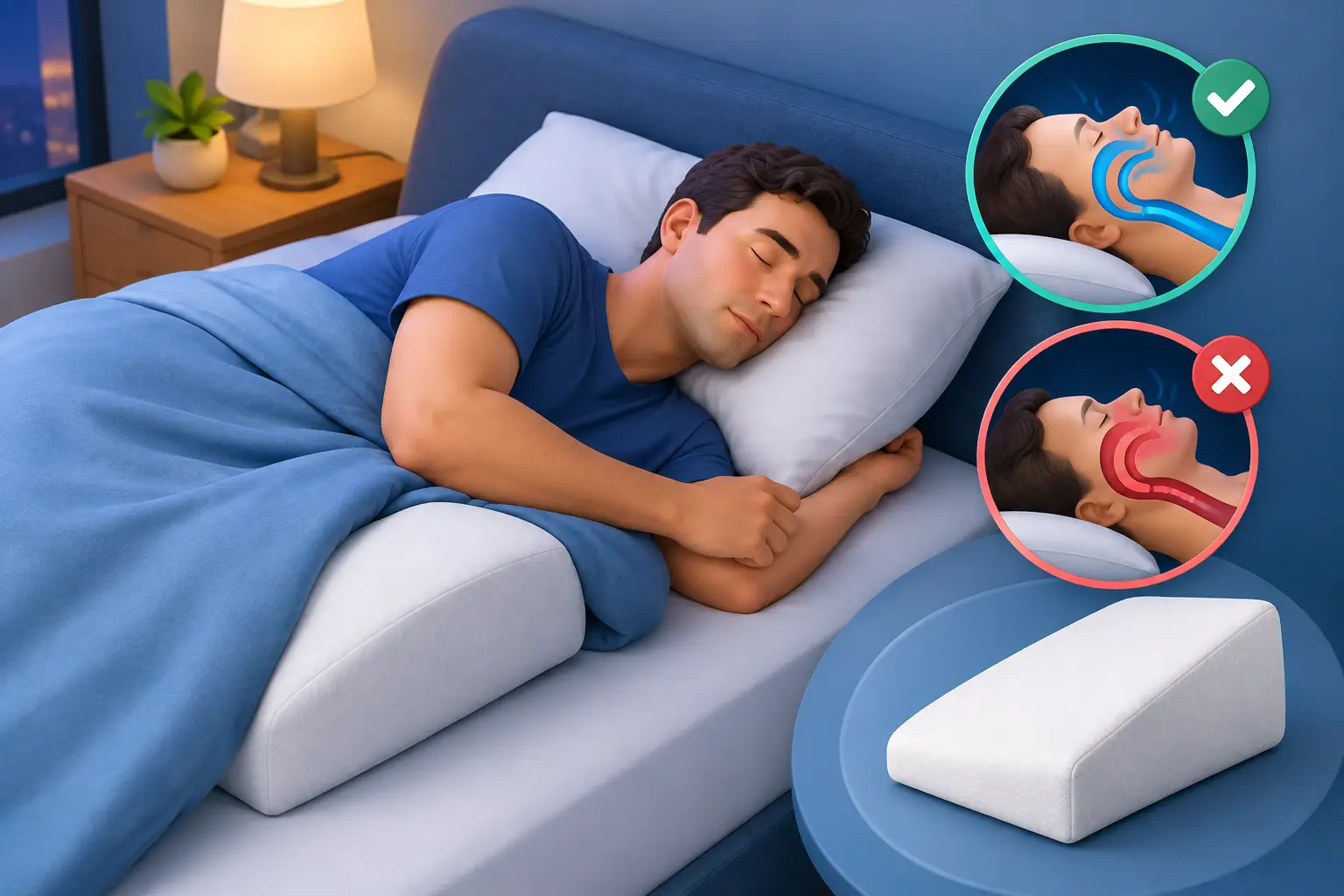
Yes. When you lie on your back, gravity can encourage the tongue and soft tissues at the back of the throat to move toward the airway. For a person who is already prone to airway narrowing during sleep, that shift can make snoring louder and interruptions in breathing more likely.
Turning onto your side may help create more room for airflow. Some people notice they snore less, wake less often, or feel more rested when they avoid back sleeping. That is a meaningful observation, and it is worth sharing with the clinician evaluating your sleep.
Still, position is only one factor. The structure of the jaw, tongue, palate, nasal passages, throat tissues, body changes over time, alcohol or sedating medications, congestion, and sleep stage can all influence breathing. A person may breathe more easily on their side for part of the night yet still have airway obstruction later, including after rolling onto their back without realizing it.
When Side Sleeping May Be Helpful - but Not Enough
A person told to sleep on their side who wonders if that is enough is asking exactly the right question. The recommendation may be appropriate as a starting point, but it does not replace follow-up when sleep apnea has been diagnosed or is suspected.
Side sleeping may be a reasonable component of care when a sleep study shows that breathing problems are strongly related to back sleeping. Even then, the key question is whether the approach is working in real life. Are you waking refreshed? Is your bed partner still hearing loud snoring, gasping, or pauses in breathing? Are daytime sleepiness, morning headaches, concentration problems, or fatigue continuing?
Symptoms can offer clues, but they cannot confirm that the airway remains open throughout the night. Many people do not remember waking with breathing interruptions. Others feel they sleep soundly but still wake unrefreshed because their sleep has been repeatedly disrupted.
Position can also be difficult to maintain. You may fall asleep on your side and turn over later. Shoulder pain, hip discomfort, pregnancy, injuries, or an old mattress can make side sleeping less comfortable. If avoiding your back makes you miserable or disrupts your rest, it is not a sustainable plan by itself.
What Positional Therapy Can Look Like
Positional therapy for sleep apnea refers to strategies that encourage side sleeping and discourage back sleeping. The simplest approach is adjusting pillows to support a side-sleeping posture. Some people use a body pillow behind the back or between the knees for comfort and stability.
There are also wearable or vibration-based devices designed to prompt a person to change position after they roll onto their back. These options may be worth discussing with a sleep clinician when position appears to play a clear role in the condition.
The goal is not to force yourself into an uncomfortable posture. It is to find a method you can use consistently without creating new pain, anxiety, or fragmented sleep. If a positional device keeps you awake, causes discomfort, or ends up in a drawer after a few nights, it is not solving the larger problem.
Why an Evaluation Still Matters
Sleep apnea is more than snoring. Obstructive sleep apnea occurs when the upper airway repeatedly narrows or closes during sleep, affecting normal breathing and sleep quality. Left unaddressed, it can affect energy, mood, cardiovascular health, and daily safety, particularly when fatigue makes driving or work tasks harder.
A sleep physician may recommend a home sleep test or an overnight sleep study to understand what happens while you sleep. If you already have results, ask a practical question: “Does my breathing problem occur mostly on my back, or does it continue when I sleep on my side?” This helps move the conversation beyond general advice.
It is also helpful to ask how treatment should be checked over time. Changes in weight, nasal health, medication use, jaw comfort, dental health, and symptoms can all change how well a plan fits your needs. Good sleep apnea care is not about assigning one solution and hoping it lasts forever. It is about monitoring comfort, effectiveness, and long-term follow-through.
Treatment Options Beyond Sleeping on Your Side
For many people, continuous positive airway pressure, commonly called CPAP, is an effective treatment recommended by a sleep physician. It uses gentle air pressure to support the airway during sleep. Some people adapt well to it, while others struggle with the mask, pressure sensation, travel, or consistency.
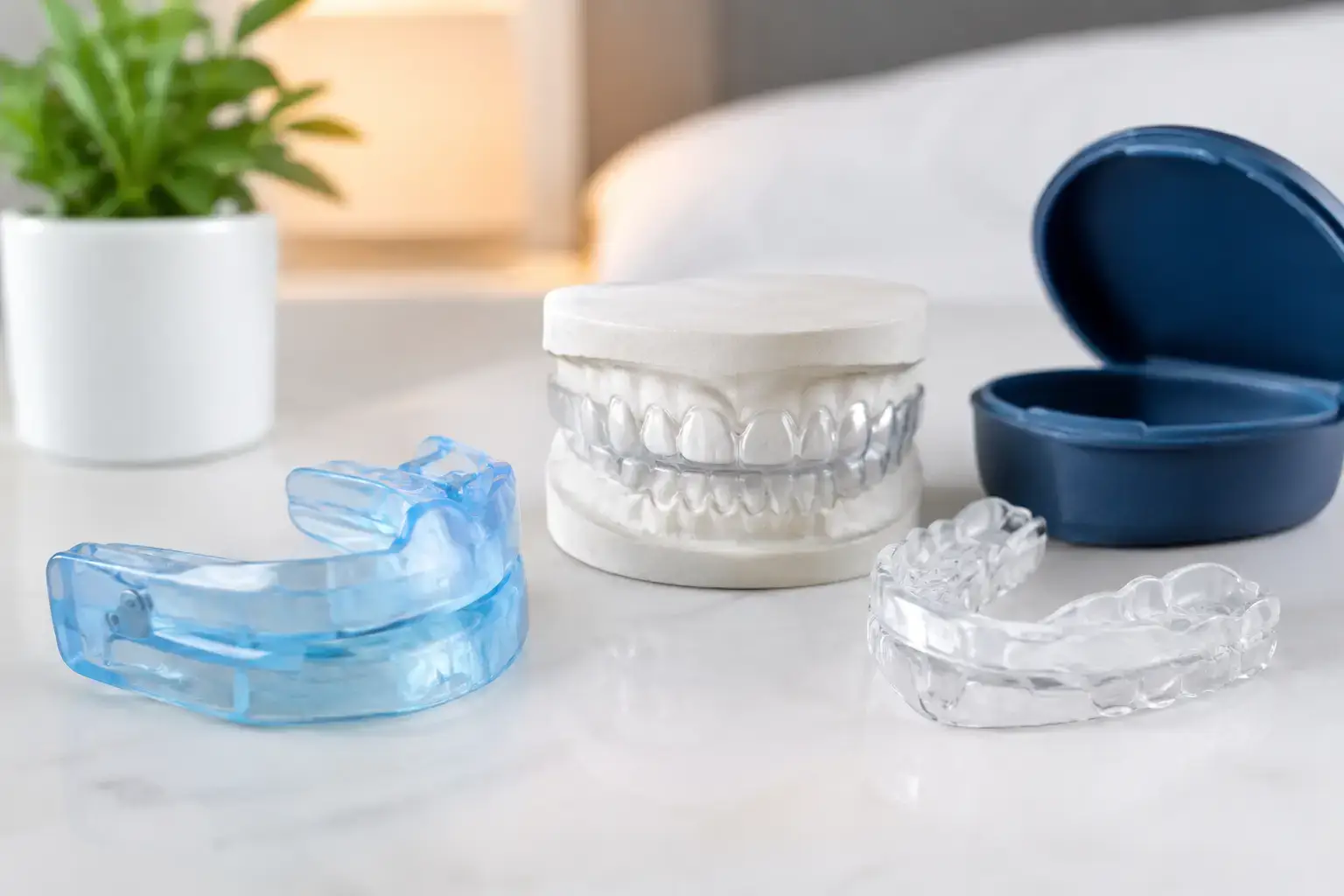
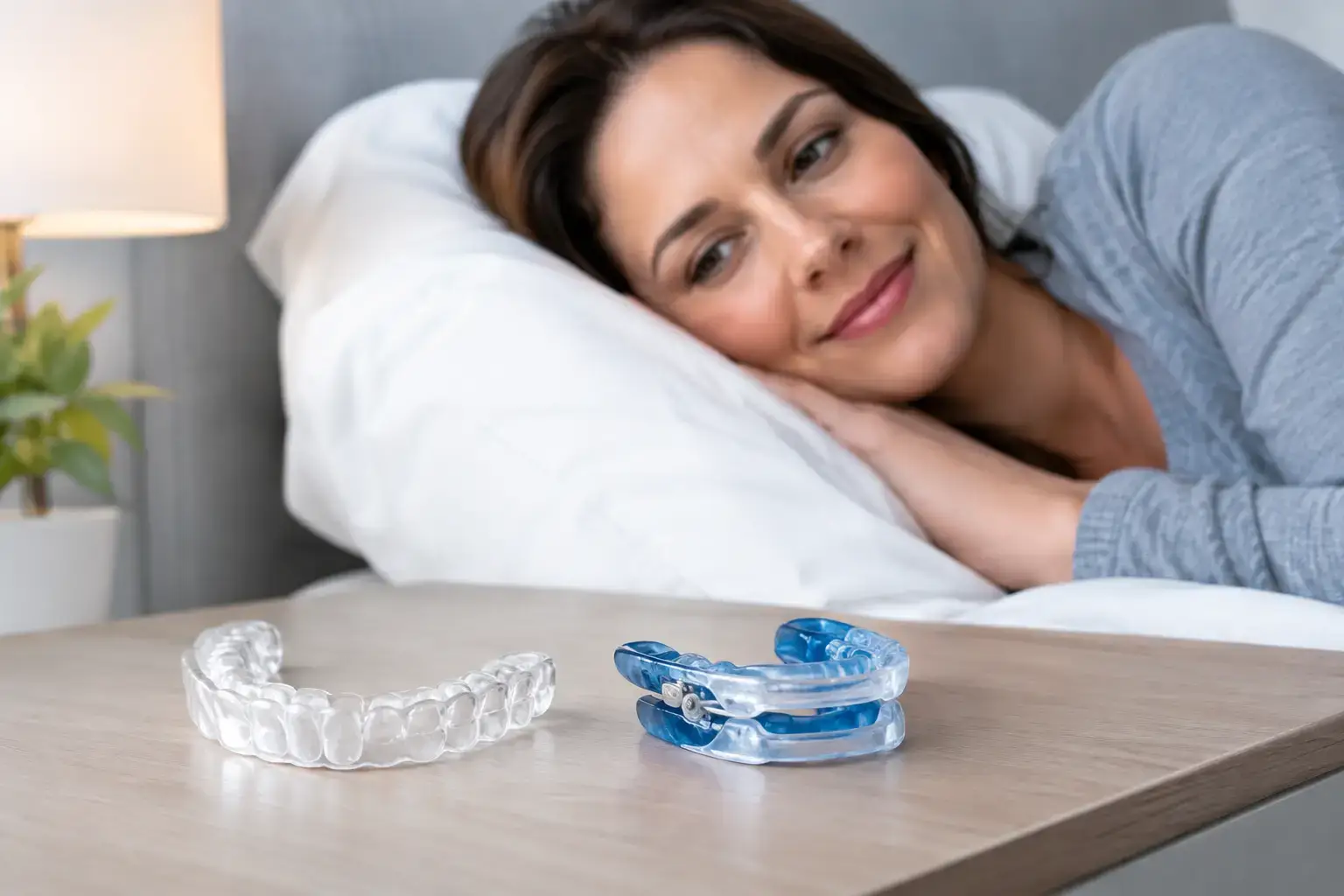
Oral appliance therapy is another treatment to ask about. A custom oral appliance is worn during sleep and is designed to support the lower jaw in a forward position, which can help keep the airway more open. It is not the same as a store-bought night guard, and it should be made and monitored by a dentist with training in dental sleep medicine in coordination with your medical sleep team.
For the right patient, an oral appliance can be especially appealing when side sleeping alone has not addressed the problem or when CPAP has been difficult to tolerate. It may also fit well for people who travel frequently or want a compact treatment option. Like any therapy, it has trade-offs. Jaw tenderness, bite changes, tooth movement, or appliance wear can occur, which is why regular dental follow-up matters.
At Seattle Oral Care, oral appliance therapy is planned with attention to your airway needs, comfort, jaw health, and existing dental work. A careful evaluation helps determine whether an appliance is an appropriate option to discuss with your sleep physician.
Other approaches may be recommended depending on the cause of obstruction. Managing nasal congestion, reviewing medications with the prescribing clinician, making lifestyle adjustments, or considering medical and surgical options can each have a role. The best plan is personal, not one-size-fits-all.
Making Side Sleeping More Comfortable While You Seek Answers
If your clinician has encouraged side sleeping, make the position easier rather than relying on willpower. Choose a pillow that keeps your neck supported without pushing your head too far forward or backward. A pillow between the knees can reduce strain on the hips and lower back. A body pillow may help prevent rolling and can feel more secure for people who naturally change positions overnight.
Pay attention to your symptoms rather than assuming a quiet night means a problem is gone. Keep notes on snoring reports from a partner, nighttime awakenings, morning dry mouth, headaches, daytime drowsiness, and how your body feels after several nights of side sleeping. Those observations can make your next appointment more productive.
Avoid making changes to prescribed sleep apnea treatment without guidance. If you use CPAP or another therapy, talk with your sleep clinician before deciding that side sleeping allows you to stop. Sleeping on your side may work alongside treatment, but it should not quietly replace a plan that was prescribed to protect your health.
A comfortable side-sleeping setup can be a positive step. The next step is making sure you are not simply sleeping differently, but breathing well enough to wake up feeling like yourself again.