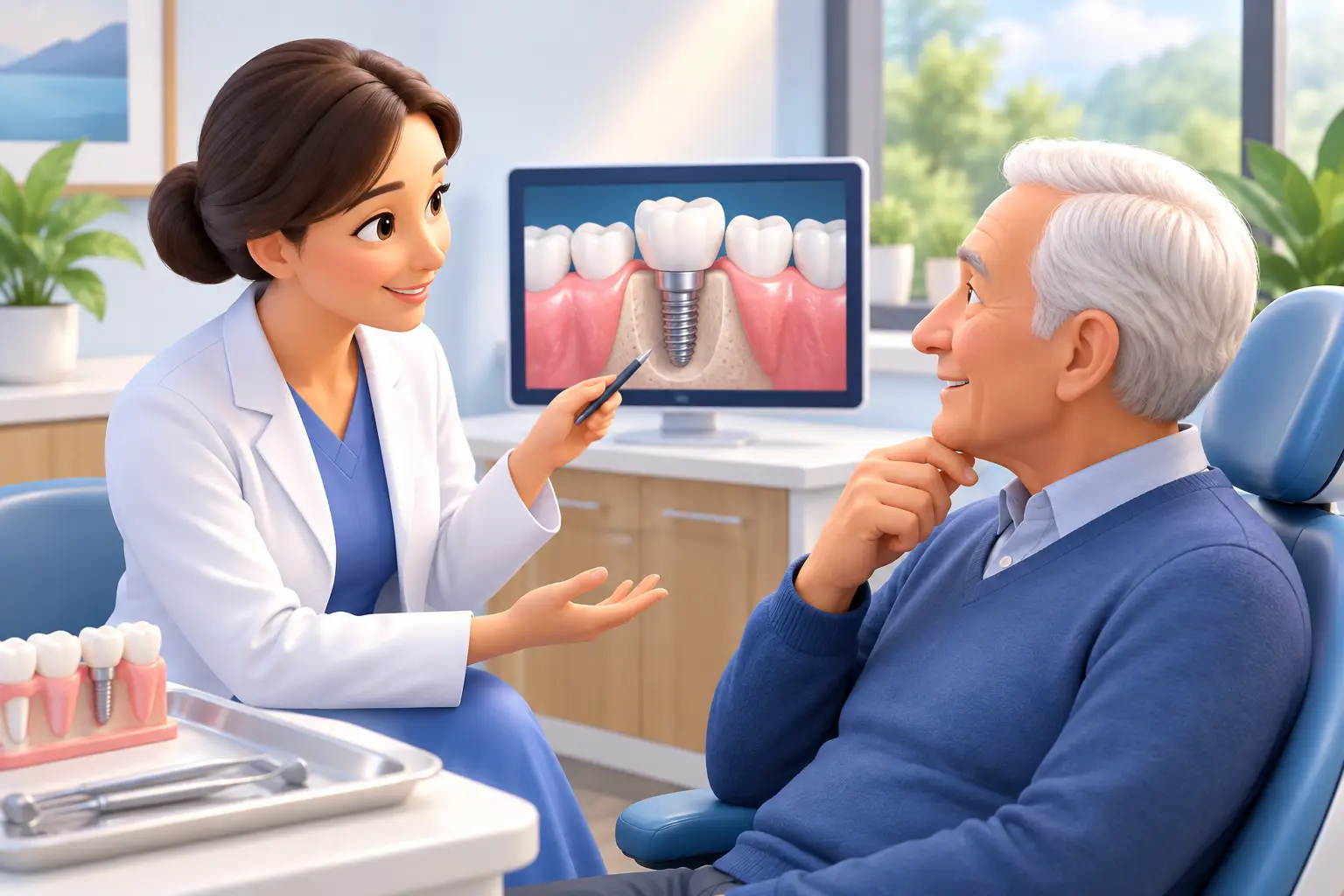
A missing tooth can change more than the appearance of your smile. Once a tooth is gone, the jawbone that once supported its root begins to receive less stimulation and may gradually shrink. If you are searching for signs you need a bone graft before dental implants , the clearest answer usually comes from a detailed exam and 3D imaging, not from what you can see in the mirror. Still, understanding the common clues can help you know what to ask and feel more prepared for your implant consultation.
A bone graft is not a setback or a sign that implants are out of reach. It is a treatment used to rebuild or preserve enough healthy bone for an implant to be placed securely and positioned for a natural-looking, long-lasting result.
Why jawbone support matters for dental implants
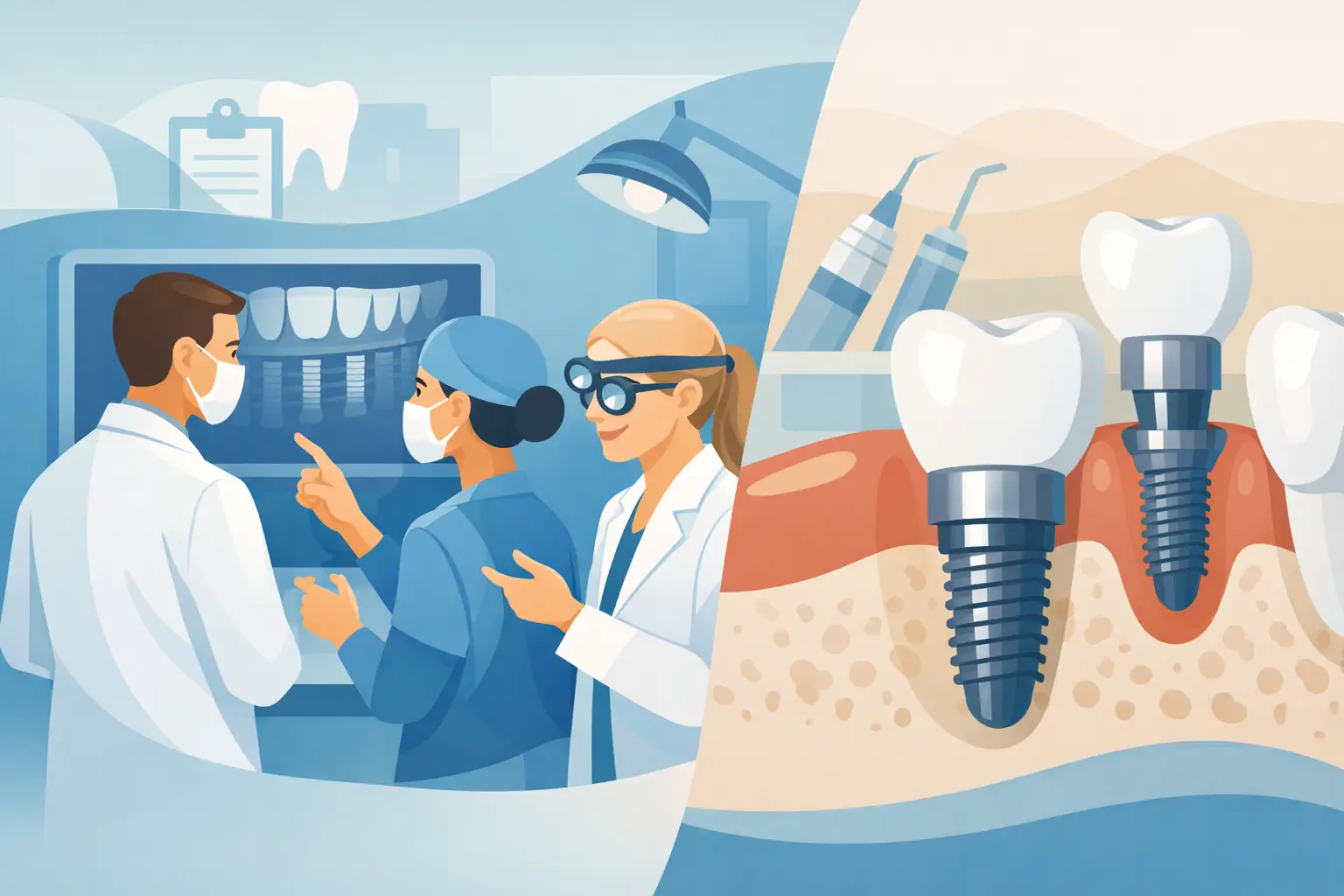
A dental implant is a small titanium post placed in the jawbone to replace a missing tooth root. Over time, the bone heals around the implant in a process called osseointegration. For that process to work predictably, the implant needs enough bone height, width, and density around it.
Think of an implant as a post supporting a crown, bridge, or denture. If the foundation is too thin or too soft, the post may not have the stability needed to support normal biting forces. This does not always mean treatment cannot move forward. It means the care team needs to plan carefully, sometimes with a graft, a different implant approach, or both.
Bone density and dental implants are closely connected, but density is only one part of the picture. A patient can have reasonably dense bone that is too narrow, or adequate width with insufficient height near the sinus or a nerve pathway. The best treatment plan considers all of these details together.
How do I know if I need a bone graft?
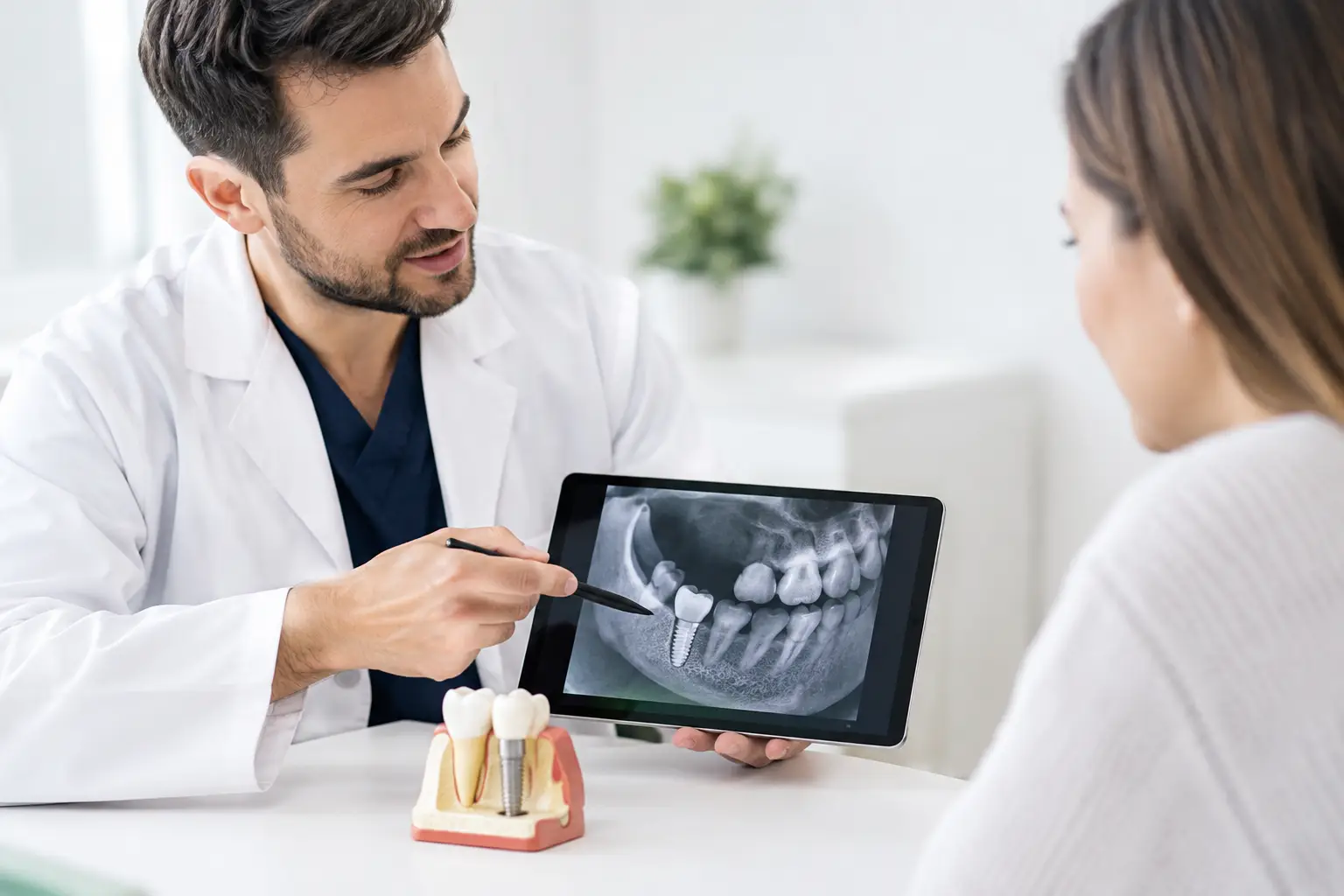
You cannot reliably diagnose the need for a graft based on symptoms alone. During an implant consultation, your dentist and surgical team assess your gums, bite, remaining teeth, medical history, and the area where the implant will go. Digital X-rays and a cone beam CT scan provide a three-dimensional view of the available bone.
The scan allows your provider to measure the jawbone and identify structures that affect implant placement, such as the sinus in the upper jaw and the main nerve channel in the lower jaw. It also helps determine whether a bone graft is needed before implant placement, at the same appointment, or not at all.
For some patients, a small graft can be placed at the time of tooth extraction to preserve the socket. For others, a larger graft may be recommended months or even years after tooth loss. The timing depends on the condition of the site and the type of restoration you need.
Possible signs of insufficient jawbone for implants
There are several situations that can point to bone loss, although none confirms the need for a graft without an exam. These bone loss symptoms for dental implants are helpful reasons to schedule a consultation rather than reasons to assume the worst.
A tooth has been missing for a long time
Jawbone loss often begins after an extraction because the bone no longer receives the pressure and stimulation of chewing through the tooth root. The greatest changes commonly happen in the first year, but bone can continue to remodel over time. If a tooth has been missing for years, there is a higher chance that the ridge has become shorter or narrower.
This is especially common in the back of the upper jaw, where the sinus can gradually expand downward after tooth loss. In the lower jaw, bone height may be limited by the location of the nerve channel. These are planning considerations, not automatic barriers to implants.
A denture feels loose or has become harder to wear
A removable denture rests on the gums and underlying bone. As the jaw ridge changes shape, a denture that once fit comfortably may shift, rub, or require more adhesive. This may be one of the more noticeable jawbone shrinkage signs, particularly for people who have been without natural teeth for many years.
Implant-supported dentures can provide significantly more stability, but the amount and location of remaining bone still need to be evaluated. In some cases, strategic placement of a limited number of implants is possible without extensive grafting. In others, grafting helps create a stronger foundation.
Your facial profile seems to have changed
Advanced bone loss can affect the support of the lips and cheeks. Some people notice a more sunken appearance around the mouth, deeper facial creases, or a change in how their dentures support their face. These changes can have many causes, including normal aging, so they are not a diagnosis by themselves.
However, they can be meaningful signs that it is time to evaluate the health of the jawbone and discuss options for replacing missing teeth.
You have had gum disease, infection, or dental trauma
Periodontal disease can destroy the bone supporting natural teeth. An untreated infection around a tooth, a failed root canal, or trauma can also damage bone in a specific area. Before placing an implant, the infection and gum disease must be controlled. A graft may be recommended if healing leaves an uneven or deficient ridge.
Healthy gums matter just as much as the bone. Patients with a history of gum disease can still be candidates for implants, but ongoing periodontal care and home hygiene are essential to protect the result.
A prior implant or bridge has failed
Implant failure is not always caused by bone loss, but it requires a careful review of the surrounding bone, bite forces, gum health, and overall health. Removing a failed implant can leave a defect that needs time and grafting to heal before another implant is considered. A coordinated evaluation helps identify what needs to change for a replacement to have a better prognosis.
A graft is not always necessary
It is easy to assume that any bone loss means bone grafting is required. That is not always the case. Implant size, implant angle, the type of final restoration, and the quality of bone in the area all influence the plan.
For example, a patient replacing one front tooth may need a graft to maintain the contour of the gumline and support a natural-looking crown, even if there is enough bone to physically hold an implant. A patient replacing multiple back teeth may have different options depending on where bone is strongest. For full-arch treatment, experienced clinicians may sometimes use available bone in specific areas without rebuilding every area of loss.
The trade-off is that skipping a recommended graft can compromise implant positioning, appearance, cleaning access, or long-term stability. On the other hand, grafting adds healing time and cost. A thoughtful plan explains why a graft is or is not recommended for your individual goals.
What bone graft treatment usually involves
A bone graft uses grafting material to encourage your body to form new bone in an area that needs more support. The material may come from your own bone, a human donor source, an animal-derived source, or a synthetic material. Your provider will explain the appropriate option and why it is being recommended.
For a small socket-preservation graft, treatment is often completed immediately after an extraction. For a larger defect, the graft may be placed in a separate procedure and allowed to heal before implant surgery. Healing times vary, but several months is common when significant bone rebuilding is needed.
Most patients are pleasantly surprised by how manageable the recovery is with appropriate anesthesia, clear aftercare instructions, and prescribed or recommended pain control. Mild swelling and tenderness are expected for a few days. Following instructions about eating, brushing, rinsing, smoking, and follow-up visits protects the healing site.
The value of early evaluation
If you know a tooth needs to be removed, asking about implant planning before the extraction can make a meaningful difference. Preserving bone at the time of extraction may reduce the need for a more involved graft later. That said, even if your tooth was removed years ago, it is still worth being evaluated. Modern implant planning offers solutions for many degrees of bone loss.
At Seattle Oral Care, implant planning can bring prosthodontic, surgical, periodontal, and general dental expertise into one coordinated conversation. That approach is especially helpful when you are balancing concerns about comfort, timing, appearance, and long-term function.
The next helpful step is simple: schedule an implant consultation and ask for a clear explanation of what your imaging shows. Knowing the condition of your jawbone turns uncertainty into a plan you can feel comfortable moving forward with.