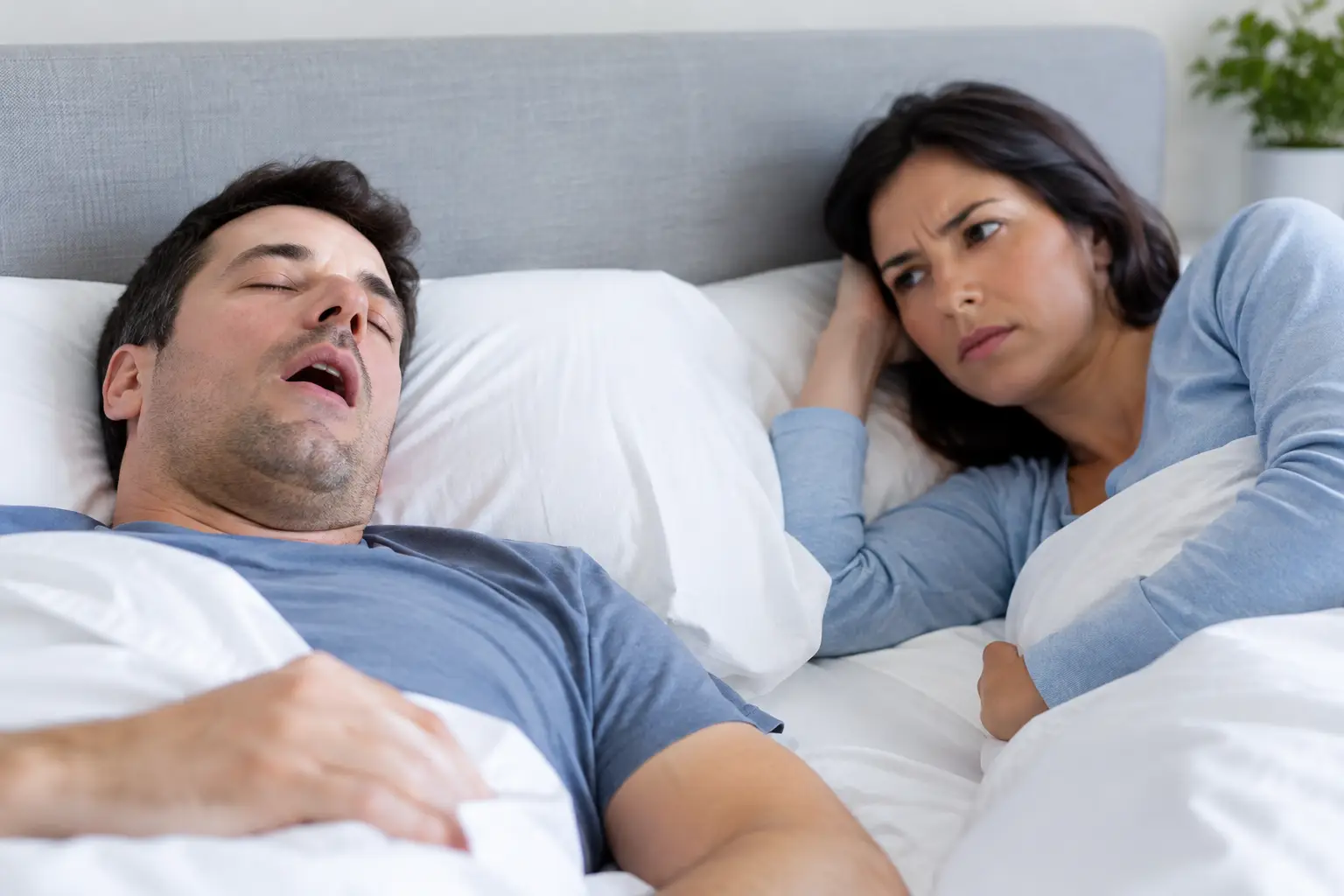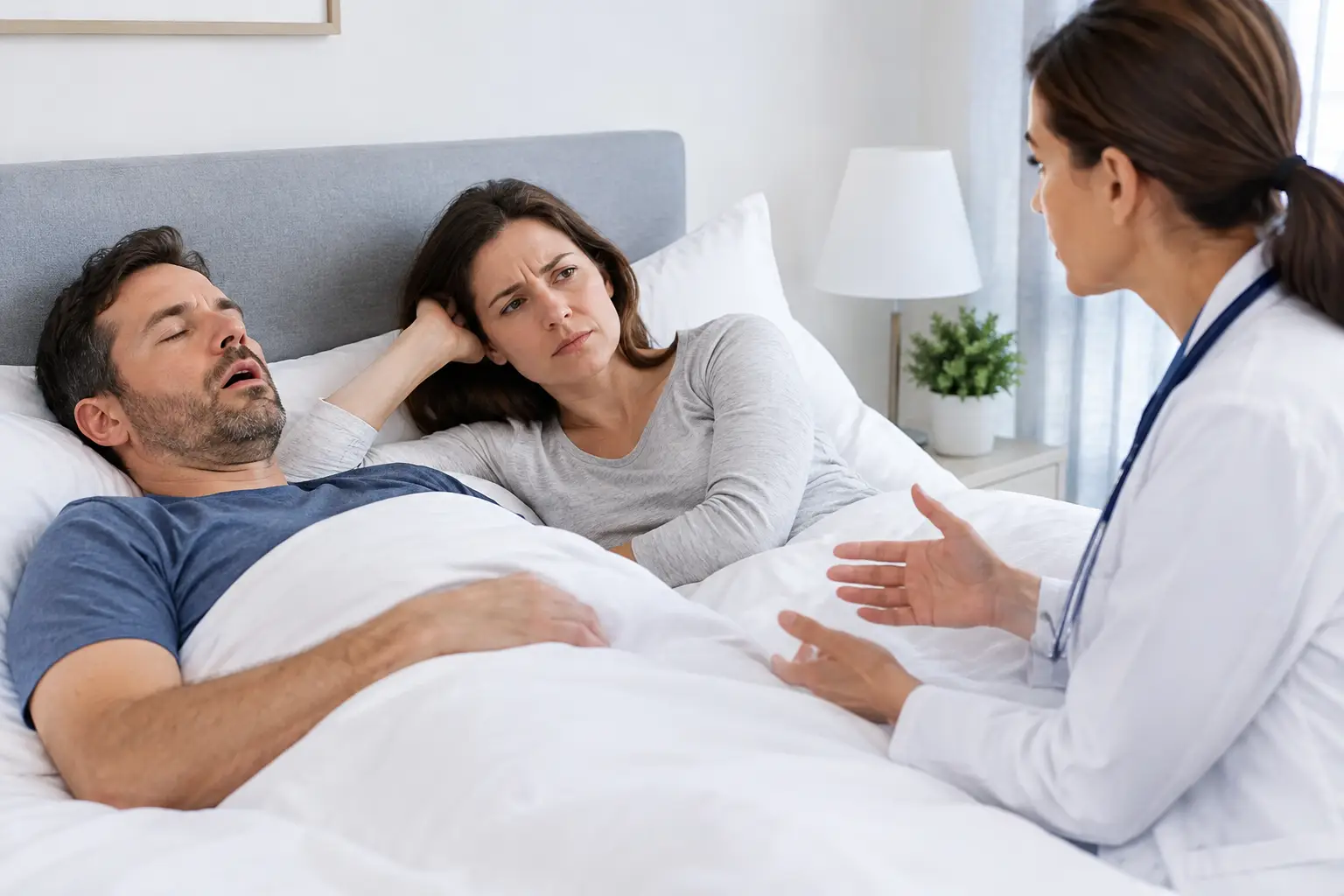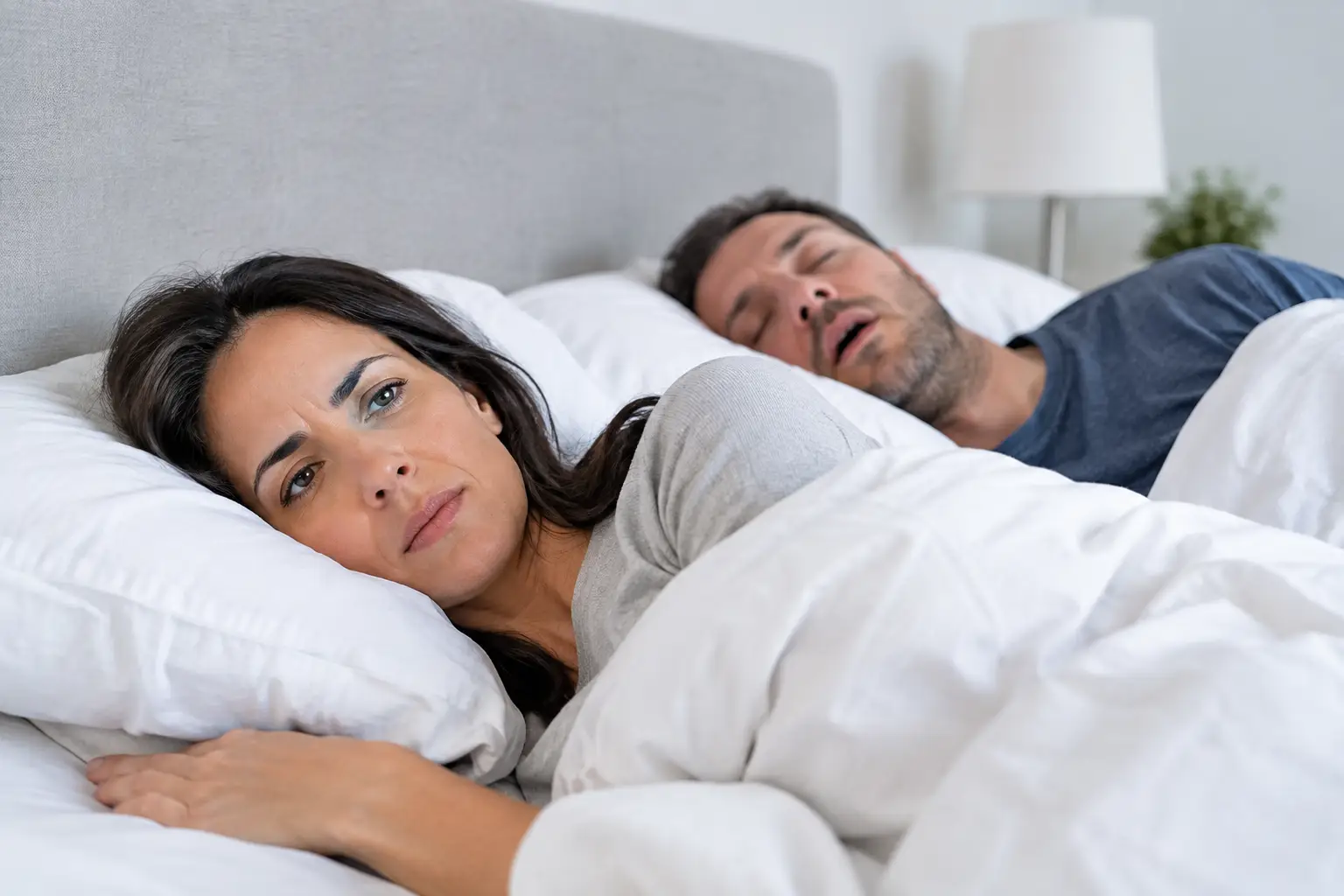
A bedroom can be surprisingly loud, but snoring vs sleep apnea is about much more than noise. Snoring may be harmless in some cases. Sleep apnea, however, can repeatedly interrupt breathing and reduce the quality of sleep your body needs to function well. If you or someone you love wakes up exhausted, gasps during sleep, or struggles with daytime fatigue, it is worth looking beyond the sound.
Many people delay getting help because they assume snoring is simply part of getting older, gaining weight, or sleeping on their back. Those factors can contribute, but persistent snoring can also be a signal that the airway is becoming restricted during sleep. Understanding the difference is the first step toward better rest, clearer thinking, and safer long-term health.
Snoring vs sleep apnea: the key distinction
Snoring happens when air moves past relaxed tissues in the nose, mouth, or throat and causes them to vibrate. It can occur occasionally during a cold, after alcohol, or when someone sleeps on their back. Some people snore regularly without having sleep apnea, particularly if the snoring is soft and there are no signs of disrupted sleep or breathing.
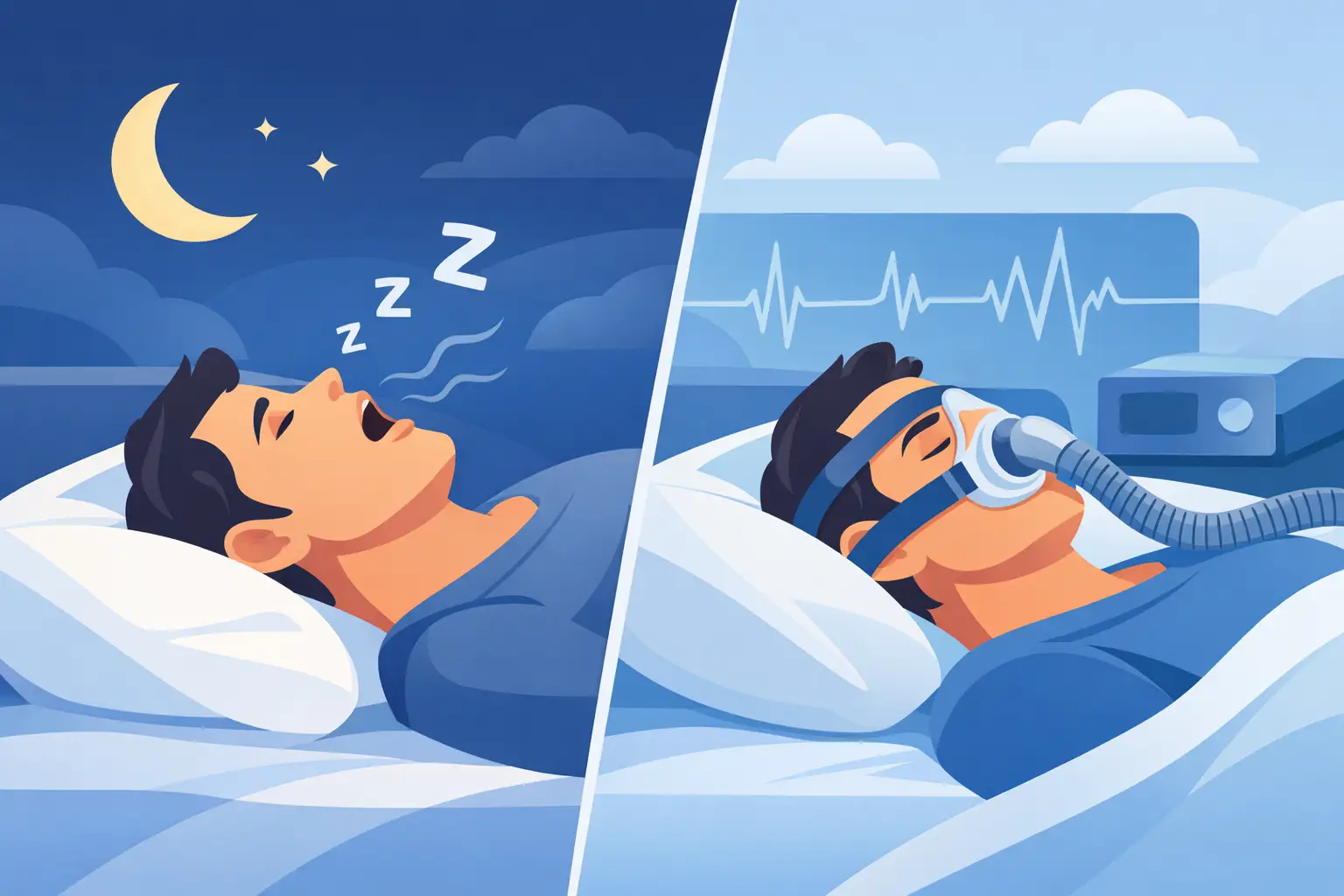
Obstructive sleep apnea, often called OSA, is different. During sleep, the muscles that support the throat relax enough for the airway to narrow or close. Breathing may become shallow or stop briefly, sometimes many times an hour. The brain senses the drop in oxygen or the breathing effort and briefly wakes the person to reopen the airway. These awakenings are often so short that the sleeper does not remember them, yet they can fragment sleep all night.
Snoring is common with OSA, but it is not the diagnosis itself. A person with sleep apnea may snore loudly, then become quiet during a pause in breathing, followed by a snort, gasp, or choking sound as airflow returns. Central sleep apnea is less common and involves a problem with the brain's breathing signals rather than a blocked airway. It also requires medical evaluation, but it does not always cause snoring.
Signs that snoring may be more serious
Your bed partner may notice the clearest warning signs, since breathing interruptions happen while you are asleep. Still, the effects often show up during the day. Consider an evaluation if loud, frequent snoring occurs alongside several of these symptoms:
- Witnessed pauses in breathing, gasping, choking, or snorting during sleep
- Morning headaches, dry mouth, sore throat, or a feeling that sleep was not restorative
- Daytime sleepiness, low energy, trouble concentrating, or irritability
- Waking often to use the bathroom or waking suddenly with a racing heart
- High blood pressure, atrial fibrillation, type 2 diabetes, or other health conditions that can be affected by poor sleep
Not every person with OSA fits the same profile. Weight can be a factor, but people of any body type can have sleep apnea. A smaller jaw, a recessed chin, enlarged tonsils, nasal obstruction, certain medications, alcohol use near bedtime, and family history can all play a role. Men are diagnosed more often at younger ages, but risk rises for women after menopause as well.
Children can snore too, and frequent snoring in a child deserves a conversation with their pediatrician. In children, sleep-disordered breathing can sometimes appear as behavior changes, hyperactivity, poor school performance, or bedwetting rather than obvious daytime sleepiness.
Why untreated sleep apnea deserves attention
A night of poor sleep can leave anyone foggy and short-tempered. Sleep apnea is more concerning because the pattern repeats night after night. Repeated drops in oxygen and sleep interruptions place stress on the cardiovascular system and can make existing health conditions harder to manage.
Untreated OSA is associated with high blood pressure, heart disease, stroke, irregular heart rhythms, insulin resistance, and a higher risk of drowsy-driving accidents. It may also affect mood, memory, libido, and work performance. These risks do not mean every person who snores has a serious condition. They do mean that ongoing symptoms deserve a thoughtful assessment rather than guesswork.
Sleep apnea can also affect relationships. Partners may lose sleep from loud snoring or worry when they see breathing pauses. Seeking answers is not overreacting. It is a practical way to protect both the sleeper and the people sharing the home.
How sleep apnea is diagnosed
A sleep physician or qualified medical provider diagnoses sleep apnea using a sleep study . Depending on your symptoms and health history, testing may happen at home with a portable monitor or overnight in a sleep center. The study measures breathing patterns, oxygen levels, heart rate, and other information needed to identify the type and severity of sleep apnea.
A home sleep test can be convenient for many adults with a high likelihood of uncomplicated obstructive sleep apnea. An in-lab study may be a better fit when symptoms are complex, another sleep disorder is suspected, or there are significant medical concerns. A phone app, recording, or wearable may raise useful questions, but it cannot replace a clinical diagnosis.
Your evaluation should consider the full picture: how you sleep, how you feel during the day, your medical history, medications, nasal breathing, and the shape of your airway. The right treatment depends on those details.
Treatment options for snoring and obstructive sleep apnea
Simple snoring may improve with practical changes such as sleeping on your side, treating nasal congestion, avoiding alcohol close to bedtime, and maintaining a weight that supports your overall health. These steps can help, but they should not be used to self-treat suspected sleep apnea without testing.
For diagnosed OSA, CPAP therapy is highly effective and is often the first recommendation for moderate to severe cases. CPAP uses gentle air pressure to keep the airway open. Many patients do well with it, especially once the mask and pressure settings are properly adjusted. Others find the equipment difficult to tolerate or want an alternative for travel and everyday use.
A custom oral appliance can be an effective option for appropriate patients with snoring or obstructive sleep apnea. Worn like a small mouthguard, it gently positions the lower jaw forward to help keep the airway open during sleep. Unlike over-the-counter devices, a professionally made appliance is designed for your bite and adjusted over time for comfort and effectiveness.
Oral appliance therapy is commonly considered for mild to moderate OSA, as well as for patients with severe OSA who cannot use CPAP or prefer an alternative after discussing the trade-offs with their sleep physician. It is not a one-size-fits-all solution. Jaw joint health, the number and stability of your teeth, gum health, bite relationships, and the severity of apnea all matter. Follow-up care is essential because an appliance may need adjustments and can affect tooth position or the bite over time.
At Seattle Oral Care, an AADSM-certified prosthodontist can work in coordination with your medical team to evaluate whether a custom oral appliance is a good fit. That collaboration matters: medical testing confirms the diagnosis, and dental expertise helps ensure the appliance fits comfortably and supports long-term oral health.
When to schedule an evaluation
Make an appointment with a medical provider or sleep specialist if you have loud habitual snoring with gasping, observed breathing pauses, persistent daytime sleepiness, or high blood pressure that is difficult to control. Seek prompt medical care if sleepiness makes driving or operating equipment unsafe.
You do not have to accept exhausted mornings as normal, and your partner does not have to keep listening for your next breath. A clear diagnosis can replace uncertainty with a treatment plan that helps you sleep more soundly, breathe more freely, and feel more like yourself during the day.