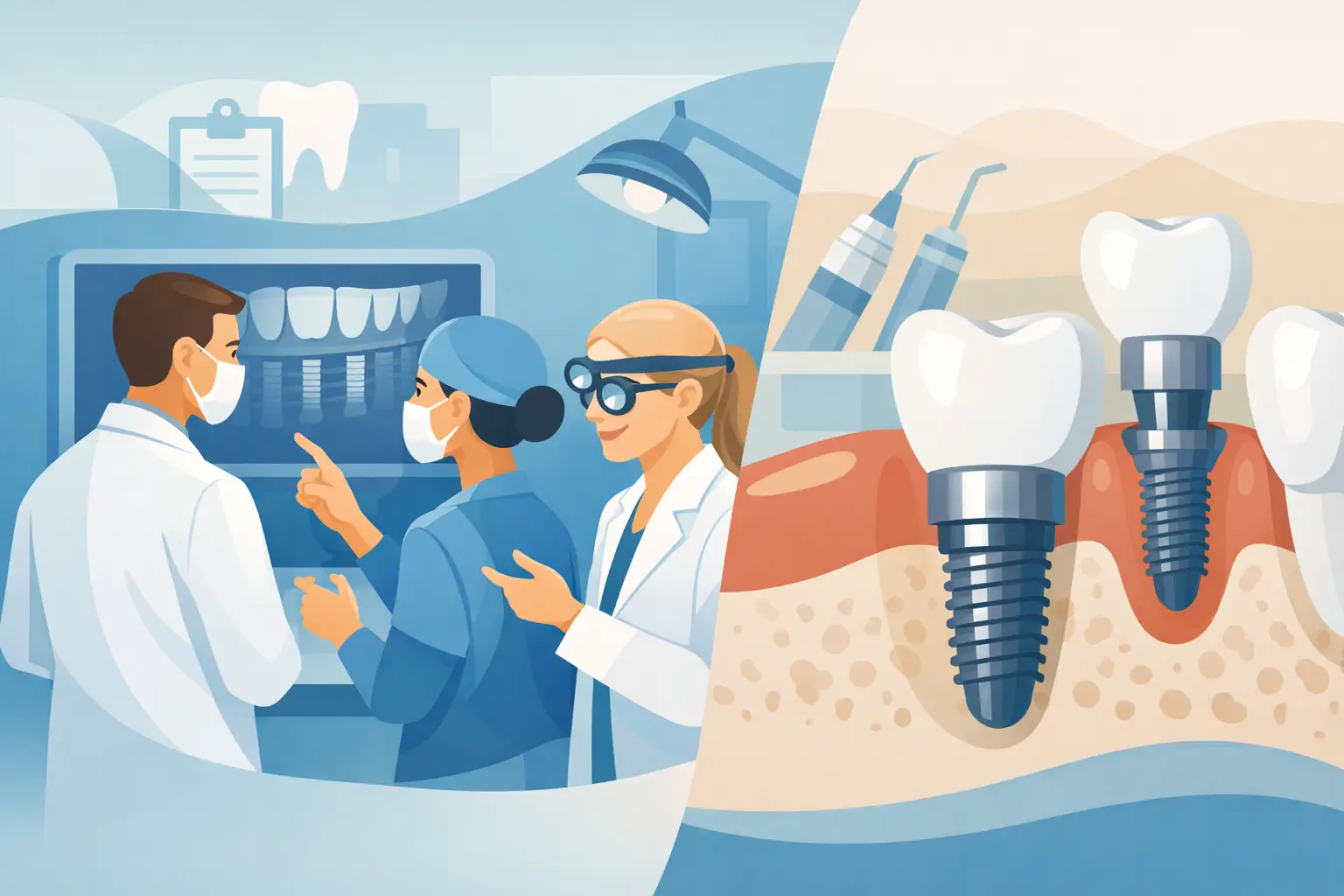

A dental exam is not a pass-or-fail test, and it should never feel rushed. If you have wondered what happens at a dental exam, the answer is simple: your dentist takes time to understand your health, look closely at your mouth, and help you prevent small concerns from becoming larger ones. For many patients, especially those who have delayed care because of anxiety or a past difficult visit, knowing the process ahead of time can make the appointment feel much more manageable.
What happens at a dental exam?
A dental exam is a conversation, an evaluation, and a plan for protecting your oral health. The details can vary based on whether you are a new or returning patient, your dental history, and what you are experiencing. A routine exam after a recent cleaning looks different from a first visit for tooth pain, missing teeth, snoring, or a broken crown.
Your appointment generally begins with questions about your overall health and your goals. Your dental team may ask about medications, medical conditions, allergies, dry mouth, jaw discomfort, bleeding gums, grinding, sleep quality, and changes you have noticed since your last visit. These questions matter because oral health and whole-body health are closely connected.
Reviewing your health history and concerns
Before looking at your teeth, your dentist wants to hear from you. You may be asked whether you have sensitivity when eating or drinking, pain when biting, loose teeth, bad breath that does not improve, or a change in how your teeth come together. This is also the right time to mention cosmetic concerns, such as worn teeth, discoloration, crowding, or an old restoration that no longer looks or feels right.
Be candid about dental anxiety, too. A thoughtful dental team can explain each step, pause when you need a break, and discuss comfort options before treatment begins. You are not expected to know the right dental terms. Describing what you feel and when you feel it is enough.
Examining teeth, existing dental work, and your bite
Your dentist will examine each tooth and any existing fillings, crowns, bridges, dentures, implants, or veneers. They are looking for signs of decay, cracks, wear, leaking around older restorations, and areas where food or plaque may collect. A tooth can look fine in the mirror while having a small crack, early cavity, or weakened filling that is easier to address now than after it becomes painful.
Your bite is part of the exam as well. Uneven pressure can contribute to chipped teeth, headaches, jaw soreness, and worn enamel. If you clench or grind, your dentist may see flattened chewing surfaces or small fractures near the gumline. Treatment could be as simple as monitoring the area or discussing a protective night guard. When bite problems are tied to worn teeth, missing teeth, or complex restorative needs, a more detailed evaluation may be recommended.
Checking your gums and supporting bone
Healthy teeth rely on healthy gums and bone. During a dental exam, the team evaluates gum color, swelling, bleeding, recession, and the spaces between the teeth and gums. These spaces may be measured gently with a small instrument called a periodontal probe. The measurements help identify gingivitis or periodontal disease and show whether the condition is stable, improving, or needs attention.
Gum disease can progress quietly. It does not always cause pain, which is one reason regular exams are valuable. When found early, inflammation may improve with better home care and professional cleanings. More advanced disease can require periodontal treatment to protect the bone supporting the teeth. For patients with dental implants , gum and bone health around the implant is checked just as carefully.
Looking beyond the teeth
A complete exam also includes the tongue, cheeks, lips, palate, throat area, and the tissues under the tongue. Your dentist looks for changes such as sores, patches, swelling, or irritation that should be watched or evaluated further. This oral cancer screening is quick and noninvasive, but it is an essential part of preventive care.
Your dentist may also check the jaw joints and chewing muscles, particularly if you report popping, limited opening, headaches, or facial tension. Snoring, daytime fatigue, and waking with a dry mouth or headache are worth mentioning, too. In some cases, these symptoms can point to sleep-disordered breathing . A dental evaluation does not replace a medical sleep diagnosis, but it can help determine whether a conversation about sleep testing or oral appliance therapy may be appropriate.
Will you need dental X-rays?
Not every exam requires X-rays. Your dentist will recommend them based on your age, risk for decay or gum disease, symptoms, existing treatment, and how recently diagnostic images were taken. Digital X-rays use a low dose of radiation and can show concerns that cannot be seen during a visual exam, including decay between teeth, infection near a tooth root, bone loss, impacted teeth, or problems beneath a crown.
For a new patient, X-rays may provide a useful baseline. If you have pain, swelling, a cracked tooth, or are considering implants or other major restorative treatment, additional imaging may be needed for clear planning. The goal is not to take images automatically. It is to gather the information needed for sound, individualized recommendations.
Is a cleaning included in a dental exam?
Often, yes, but it depends on your needs and appointment type. A hygienist may remove plaque and tartar, polish your teeth, and review brushing and flossing habits during the same visit. If your gums show signs of active periodontal disease or you have substantial buildup, the right treatment may be a deeper cleaning or a separate periodontal appointment rather than a standard preventive cleaning.
That distinction is not meant to complicate care. It helps ensure your treatment matches the condition of your gums. A routine cleaning is designed for healthy gums and ongoing prevention. Periodontal therapy is designed to address infection and inflammation below the gumline.
What happens after the exam?
After the evaluation, your dentist should explain what they found in clear language. You may hear that everything looks stable and that the next step is simply continued preventive care. Or you may discuss a filling, crown, gum treatment, Invisalign, replacement of a missing tooth, or further diagnostic planning.
If several concerns are present, you do not necessarily need to do everything at once. A good treatment plan prioritizes health, comfort, urgency, function, and your goals. For example, treating infection or a painful tooth typically comes before cosmetic improvements. Replacing a missing tooth may be planned around bone health, healing time, budget, and the condition of neighboring teeth.
At Seattle Oral Care, coordinated care can be especially valuable when treatment involves more than one area of dentistry. A prosthodontist, general dentist, oral surgeon, and periodontist can collaborate when an implant, full-mouth restoration, or complex gum concern requires a broader perspective. You should understand why a recommendation is being made, what alternatives exist, what the timeline may look like, and how to care for your smile between visits.
How to prepare for your appointment
Bring an updated list of medications, your dental insurance information if applicable, and any records or recent X-rays from another office. Arrive with questions written down if that helps. You do not need to avoid brushing before an exam, and it is helpful to eat normally unless the office gives you different instructions for a planned procedure.
Most of all, give yourself permission to speak up. Tell the team if you are nervous, need a slower explanation, have a sensitive gag reflex, or have had difficulty getting numb in the past. Dental care works best as a partnership. One exam can give you a clearer picture of where you stand and a practical path toward a healthier, more comfortable smile.