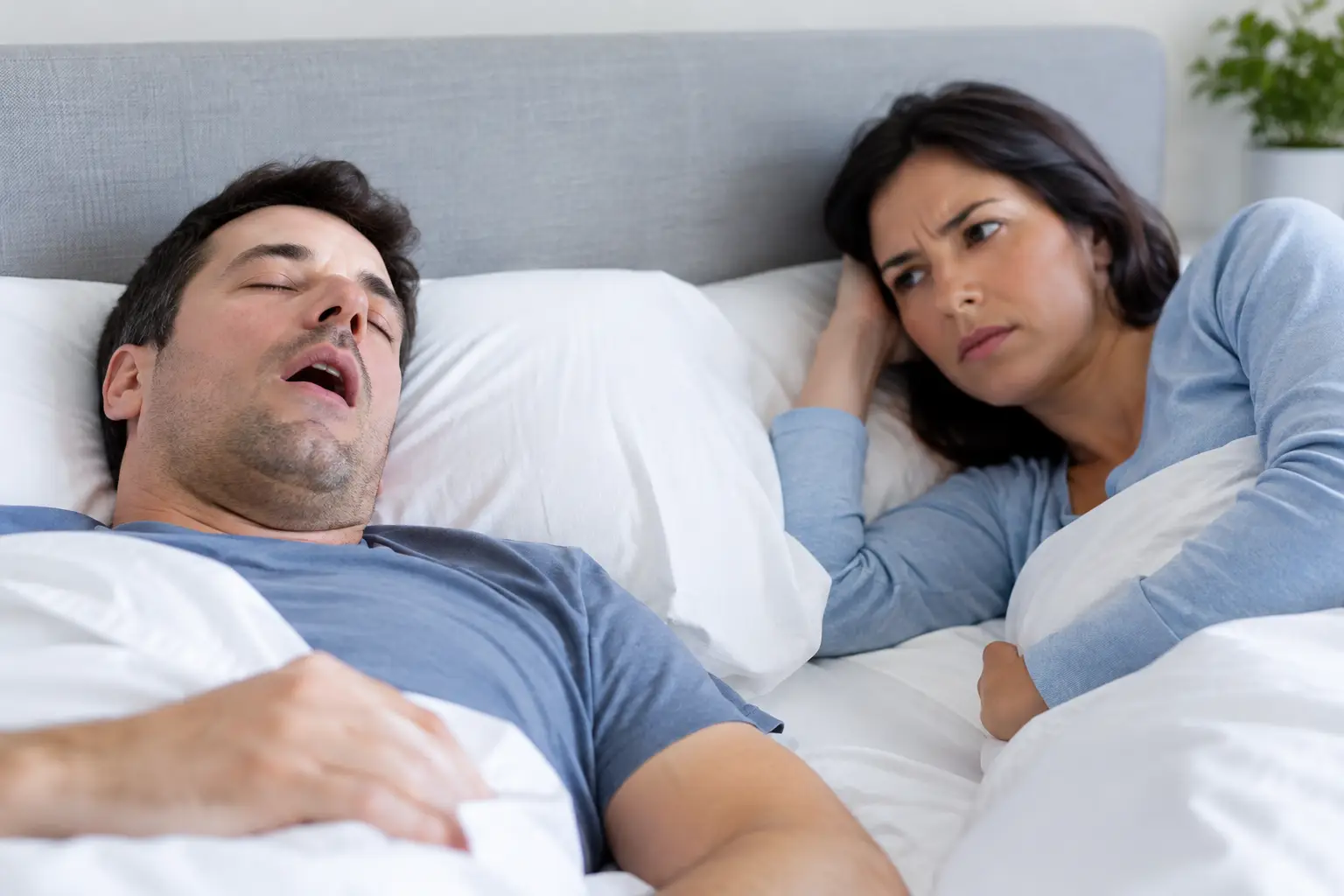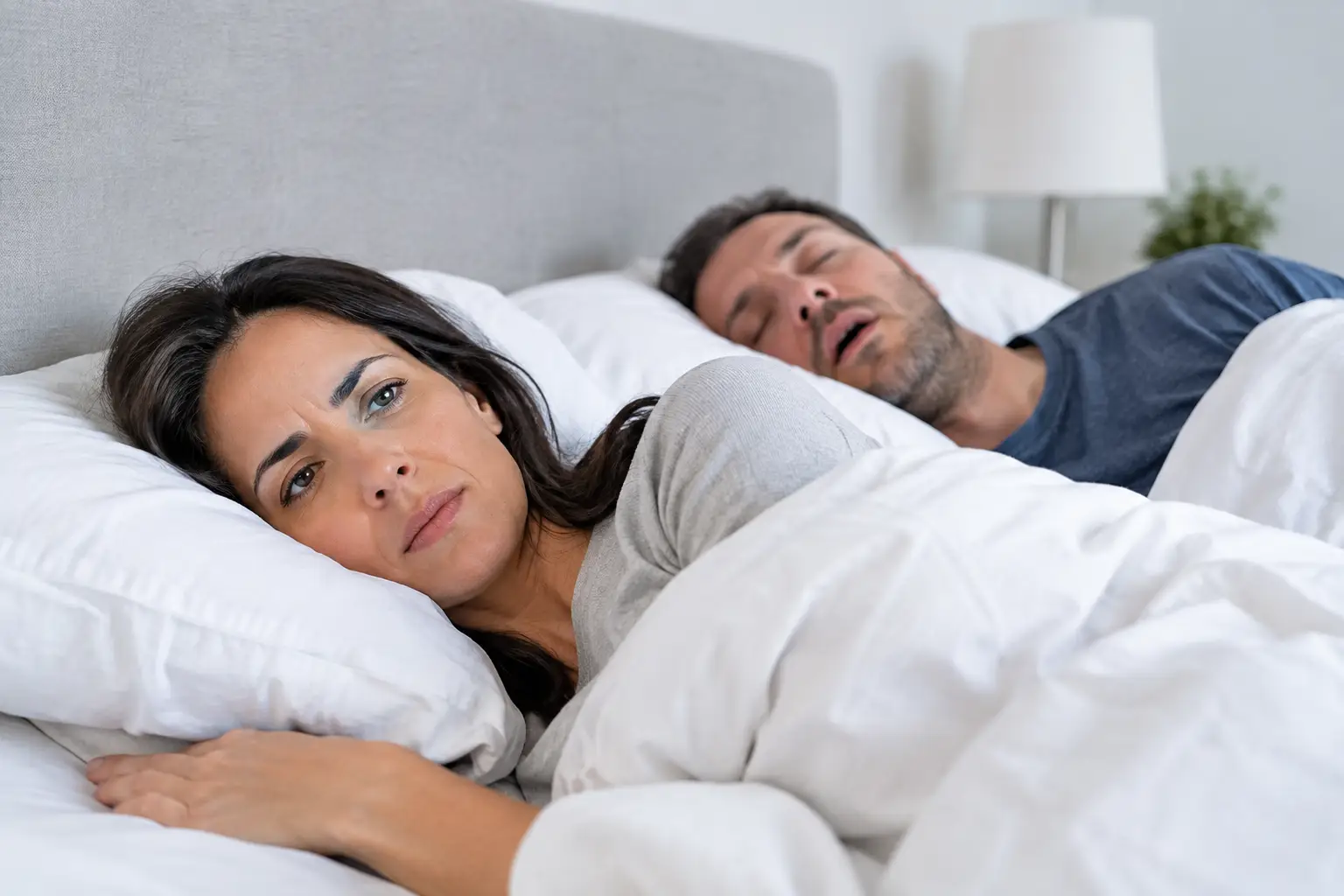
A snore can seem harmless until it becomes the reason your partner sleeps in another room, you wake up exhausted after a full night in bed, or you catch yourself fighting sleep at your desk. Knowing when to see a doctor for snoring can protect more than a peaceful bedroom. In some cases, it is the first step toward identifying a breathing problem that affects your energy, heart health, concentration, and quality of life.
Not every person who snores has a medical concern. Nasal congestion, alcohol before bed, a cold, or sleeping on your back can all cause occasional snoring. But loud, frequent, or disruptive snoring deserves a closer look, especially when it comes with pauses in breathing or daytime symptoms. You do not have to figure it out alone.
When to See a Doctor for Snoring
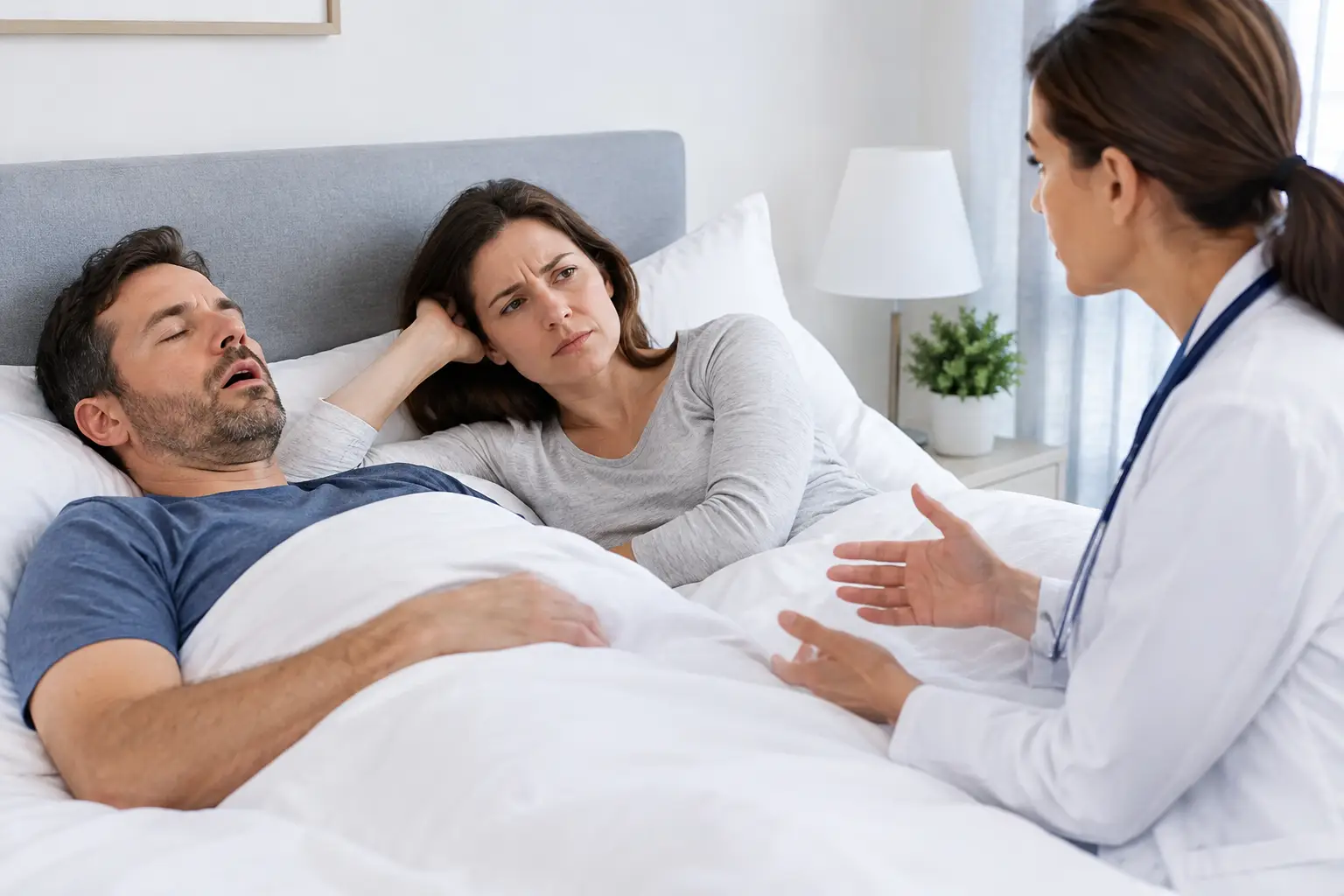
Make an appointment with your primary care physician or a sleep medicine provider if snoring happens most nights, is loud enough to disturb others, or leaves you feeling unrefreshed in the morning. A medical evaluation is particularly important if someone has noticed that you stop breathing, gasp, choke, or snort while asleep.
Those sounds can be signs of obstructive sleep apnea. With this condition, the airway repeatedly narrows or closes during sleep. Your brain briefly wakes you enough to restore breathing, often without you remembering it. The result can be fragmented sleep night after night.
You should also speak with a doctor if snoring is accompanied by morning headaches, dry mouth on waking, frequent nighttime urination, trouble concentrating, irritability, or persistent daytime sleepiness. Falling asleep while driving, during meetings, or while watching television is not something to brush off as simply being busy.
For many adults, a bed partner is the first person to notice the pattern. If they describe repeated silent pauses followed by a loud gasp, take that observation seriously. A short recording may be useful to share at your appointment, but it does not replace a professional assessment.
Symptoms that deserve prompt attention
Some situations call for faster action. Seek urgent medical care if breathing difficulty is severe, chest pain occurs, or someone is difficult to wake. For ongoing sleep concerns, schedule a timely evaluation when snoring comes with any of the following:
- Witnessed pauses in breathing, gasping, or choking during sleep
- Severe daytime drowsiness, especially while driving or operating equipment
- High blood pressure that is difficult to control
- A history of heart disease, stroke, diabetes, or irregular heartbeat alongside possible sleep apnea
- Loud snoring in a child, particularly with restless sleep, behavioral changes, or pauses in breathing
These signs do not confirm sleep apnea on their own. They do mean the possible health effects are significant enough to warrant professional guidance.
Why Loud Snoring Can Be More Than a Bedroom Issue
Snoring occurs when airflow causes relaxed tissues in the nose, mouth, or throat to vibrate. The sound itself is not always dangerous. The concern is whether the airway remains open enough for steady breathing throughout the night.
Obstructive sleep apnea can lower oxygen levels and repeatedly interrupt normal sleep cycles. Over time, untreated sleep apnea is associated with higher risks of high blood pressure, cardiovascular disease, stroke, type 2 diabetes, mood changes, and accidents related to fatigue. Risk varies from person to person, but the pattern is clear: sleep quality is closely tied to overall health.
Physical factors can also contribute. Weight changes, alcohol or sedatives near bedtime, nasal blockage, enlarged tonsils, and the shape of the jaw or airway may all play a role. Aging can increase risk, but sleep apnea affects adults of many ages and body types. It is not a condition reserved for one kind of patient.
That is why a personalized evaluation matters. A person with occasional congestion-related snoring may need a very different solution than someone whose lower jaw and tongue position contribute to airway collapse during sleep.
What Happens at a Sleep Evaluation
A physician or sleep specialist will ask about your sleep habits, medical history, medications, daytime alertness, and any observations from a partner or family member. They may examine your nose, throat, neck, and airway. If sleep apnea is suspected, the next step is usually a sleep study.
Depending on your health history and symptoms, this may be an overnight study in a sleep center or a home sleep apnea test . The test measures breathing patterns and other sleep-related data to determine whether apnea is present and, if so, how severe it is.
A diagnosis should come from a qualified medical provider. That clarity is valuable because it prevents guesswork. It also helps your care team recommend treatment that matches your needs rather than relying on one-size-fits-all advice.
Treatment Can Include More Than CPAP
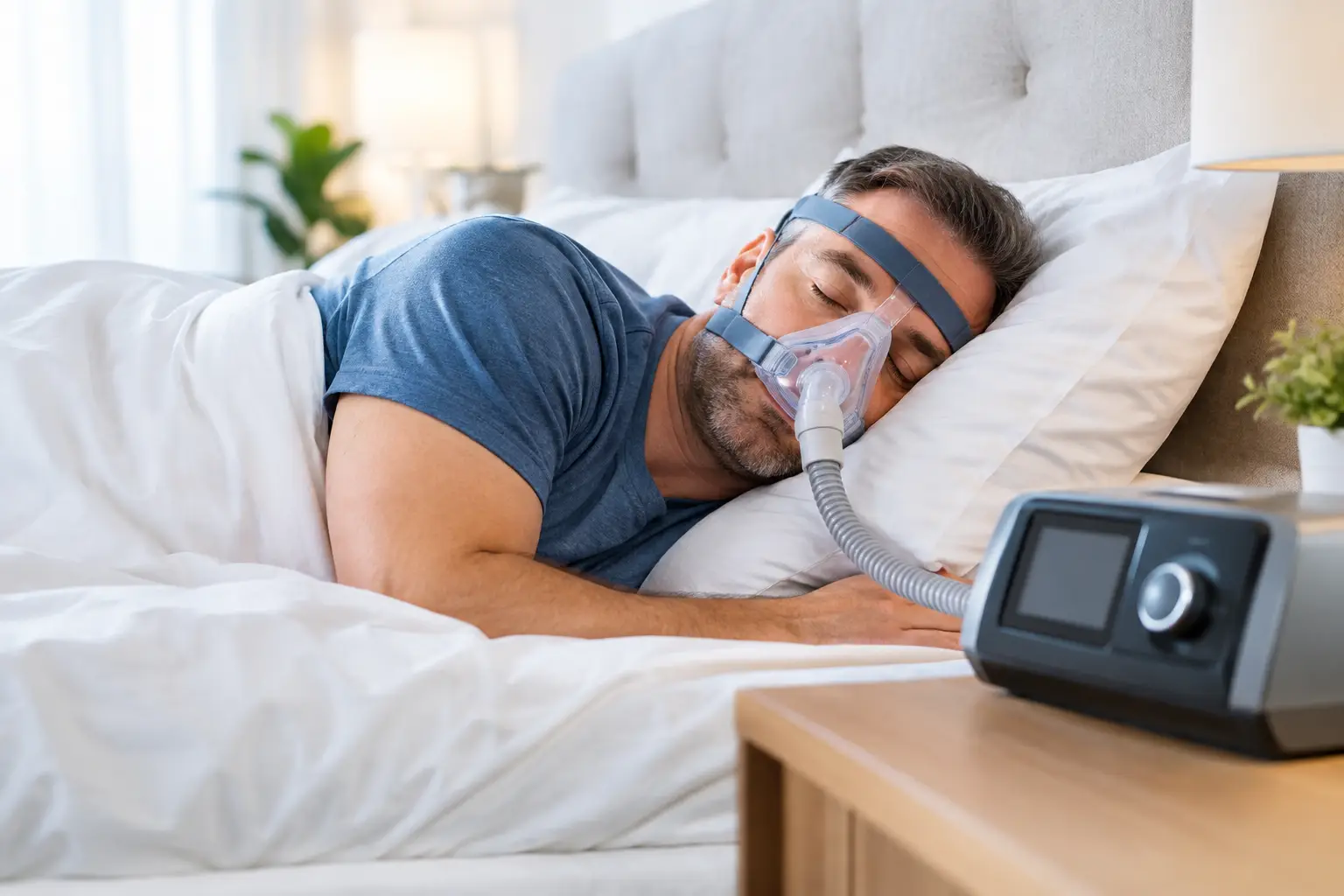
Continuous positive airway pressure, commonly called CPAP, is an effective treatment for many people with obstructive sleep apnea. It uses gentle air pressure to help keep the airway open. Some patients do very well with it, while others find the mask or airflow difficult to tolerate consistently.
For qualifying patients with mild to moderate obstructive sleep apnea, or for those who cannot use CPAP comfortably, a custom oral appliance may be an option. This small, fitted device is worn during sleep and positions the lower jaw forward to help maintain an open airway. It is not the same as an over-the-counter mouthguard. A properly designed appliance is customized to your bite, monitored for comfort, and adjusted as needed.
Oral appliance therapy is often coordinated between the sleep physician who diagnoses the condition and a dentist trained in dental sleep medicine. At Seattle Oral Care, an AADSM-certified prosthodontist can evaluate whether an oral appliance fits into your prescribed sleep apnea treatment plan and follow your oral health, bite, and comfort over time.
Other recommendations may include positional changes, reducing alcohol close to bedtime, treating nasal congestion, weight management when appropriate, or referral to an ear, nose, and throat specialist. In some cases, a combination of treatments offers the best result. The right choice depends on the severity of apnea, your anatomy, other health conditions, and what you can use consistently.
Do Not Wait for Snoring to Get Worse
People often delay an evaluation because they do not feel sick, or because they assume snoring is simply part of getting older. Yet sleep apnea can develop gradually, and its effects may show up as fatigue, high blood pressure, or a shorter temper long before someone connects them to nighttime breathing.
If a partner has raised concerns, listen without embarrassment. If you live alone, pay attention to your own clues: waking with a racing heart, needing multiple naps, struggling to stay alert behind the wheel, or never feeling restored by sleep. These experiences are common, and help is available.
A conversation with a doctor can bring useful answers, whether your snoring turns out to be simple, situational, or related to obstructive sleep apnea. Better sleep is not just about making the room quieter. It is about giving your body the steady breathing and restorative rest it needs to help you feel more like yourself each day.