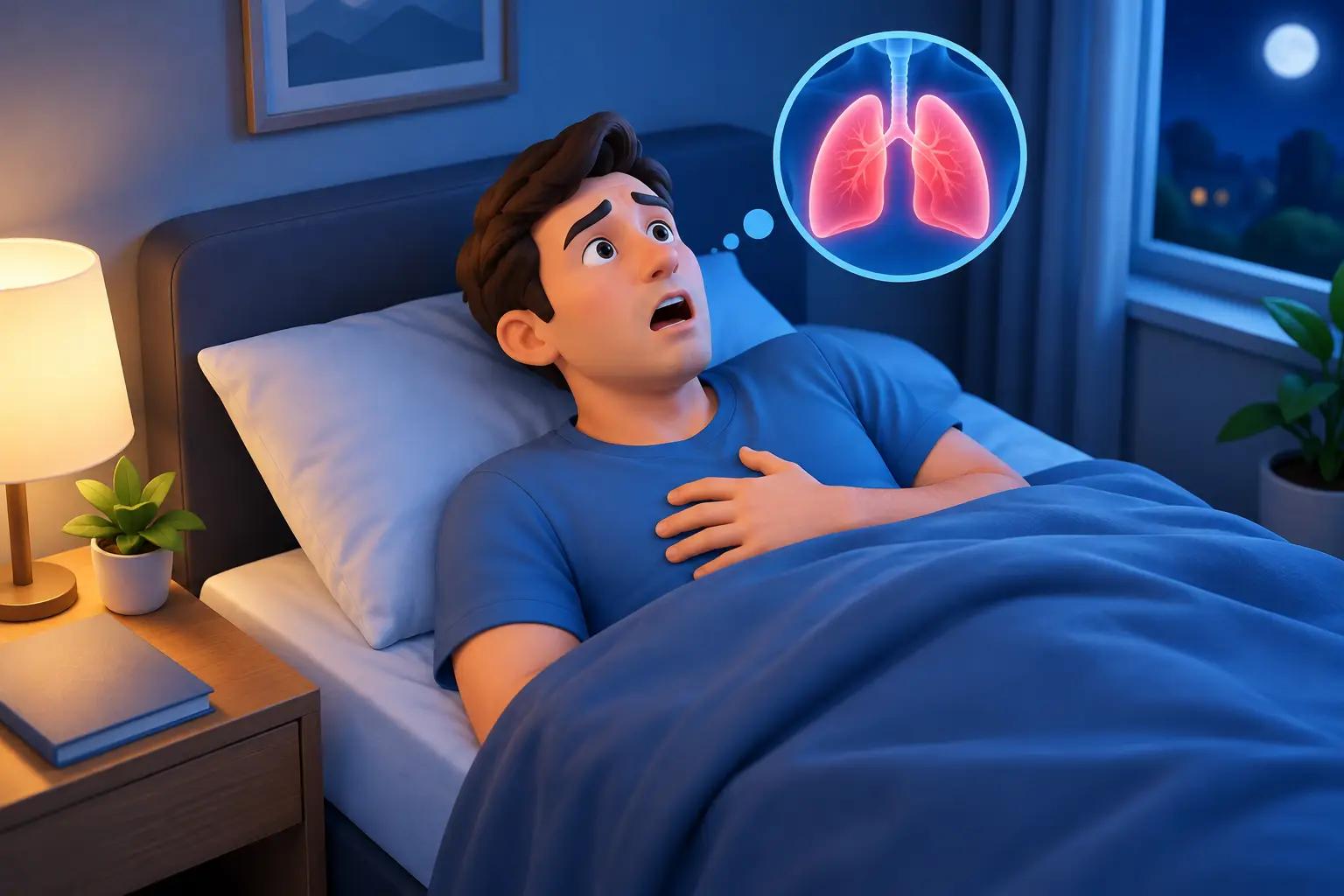
Waking abruptly with a choking sensation can leave you sitting upright, heart racing, and afraid to fall back asleep. If you have asked, “why do I wake up gasping for air?” you are not alone. While an occasional episode can happen for several reasons, repeated waking up choking at night deserves medical attention, especially when it affects your energy, health, or sense of safety.
Why Do I Wake Up Gasping for Air?
One of the most common explanations is obstructive sleep apnea. With this condition, the throat muscles relax during sleep and briefly block or narrow the airway. Your body senses the drop in oxygen or the struggle to breathe, then startles you awake enough to reopen the airway. You may gasp, snort, choke, or take a loud breath before falling asleep again.
Many people do not remember every breathing interruption. They may only notice the dramatic awakenings, morning headaches, dry mouth, frequent nighttime bathroom trips, daytime fatigue, or difficulty focusing. A bed partner may notice loud snoring, pauses in breathing, or restless sleep first.
Gasping for air and sleep apnea are closely connected, but sleep apnea is not the only possible cause. Reflux can allow stomach contents to irritate the throat and trigger a sudden coughing or choking feeling. Nasal congestion, asthma, allergies, certain medications, alcohol close to bedtime, and anxiety or panic symptoms can also affect nighttime breathing. Less commonly, heart or lung conditions may contribute to shortness of breath when lying down.
The details matter. A thorough evaluation looks at your symptoms, health history, medications, sleep habits, and whether someone has witnessed snoring or breathing pauses. It is better to identify the cause than to assume the episodes are simply stress.
When Waking Up Choking at Night Is an Emergency
A person startled awake at night and wondering what to do should first focus on breathing and safety. Sit upright, take slow breaths, and avoid lying flat again until the sensation settles. If episodes are new, severe, or accompanied by concerning symptoms, seek urgent medical care.
Call 911 or seek emergency help right away if gasping occurs with chest pain, fainting, blue or gray lips, severe or persistent shortness of breath, confusion, facial swelling, or signs of a serious allergic reaction. These symptoms are not something to wait out.
Even when the episode passes quickly, schedule an appointment with a physician or sleep professional if it happens repeatedly. Ongoing nighttime airway obstruction can raise the risk of high blood pressure, heart rhythm problems, accidents related to drowsiness, and reduced quality of life. It can also make common concerns such as anxiety, reflux, and fatigue harder to manage.
Signs That Point Toward Obstructive Sleep Apnea
Sleep apnea can affect people of many ages and body types. Weight, jaw structure, a naturally narrow airway, enlarged tissues, nasal obstruction, family history, and alcohol or sedative use can all play a role. Menopause and aging can also change risk over time.
You may be more likely to have obstructive sleep apnea if you experience several of these symptoms:
- Loud, frequent snoring
- Witnessed pauses in breathing or repeated gasping
- Excessive daytime sleepiness, even after a full night in bed
- Morning headaches, dry mouth, or sore throat
- Irritability, poor concentration, or low energy
- High blood pressure that is difficult to control
Snoring alone does not prove sleep apnea, and not everyone with sleep apnea snores loudly. That is why testing is so helpful. A home sleep test or an overnight sleep study can measure breathing patterns and determine whether apnea is present and how severe it is.
What to Do After a Nighttime Gasping Episode
Small adjustments may reduce triggers, but they should not replace an evaluation when symptoms continue. Until you can be assessed, try sleeping on your side rather than your back, avoid alcohol near bedtime, and keep a regular sleep schedule. If nasal congestion is affecting your breathing, talk with a healthcare professional about safe treatment options.
It can also help to keep brief notes for a week or two. Record when the episodes occur, whether you had alcohol or a heavy meal late in the evening, how rested you feel, and what a partner observes. This information can make a sleep consultation more productive.
Do not borrow a CPAP machine, use an over-the-counter mouthpiece, or attempt to treat suspected apnea on your own. The right treatment depends on the type and severity of the condition, your airway, your bite, and your overall health. An appliance that is not professionally fitted can cause jaw discomfort, tooth movement, or fail to address the breathing problem.
Treatment Options for Gasping for Air Sleep Apnea
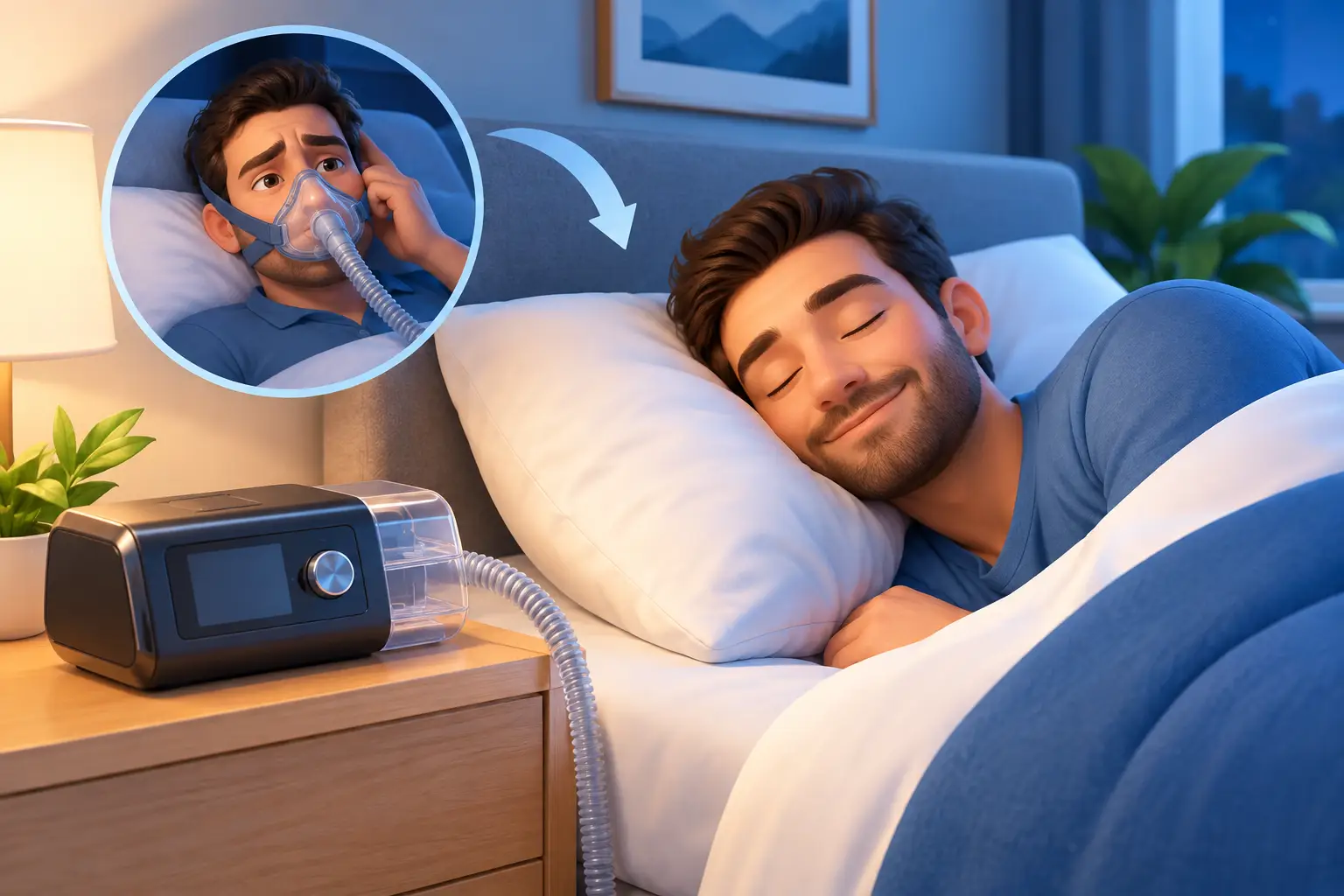
For obstructive sleep apnea, CPAP therapy is often recommended, particularly for moderate to severe cases. It uses gentle air pressure to keep the airway open while you sleep. CPAP can be highly effective, but comfort, mask fit, and consistent use matter. Some patients need time and support to adjust.
For many adults with mild to moderate obstructive sleep apnea, or for those who cannot tolerate CPAP, a custom oral appliance may be an effective option. This small, custom-fitted device is worn during sleep and gently positions the lower jaw forward to help keep the airway open. It is very different from a generic store-bought guard.
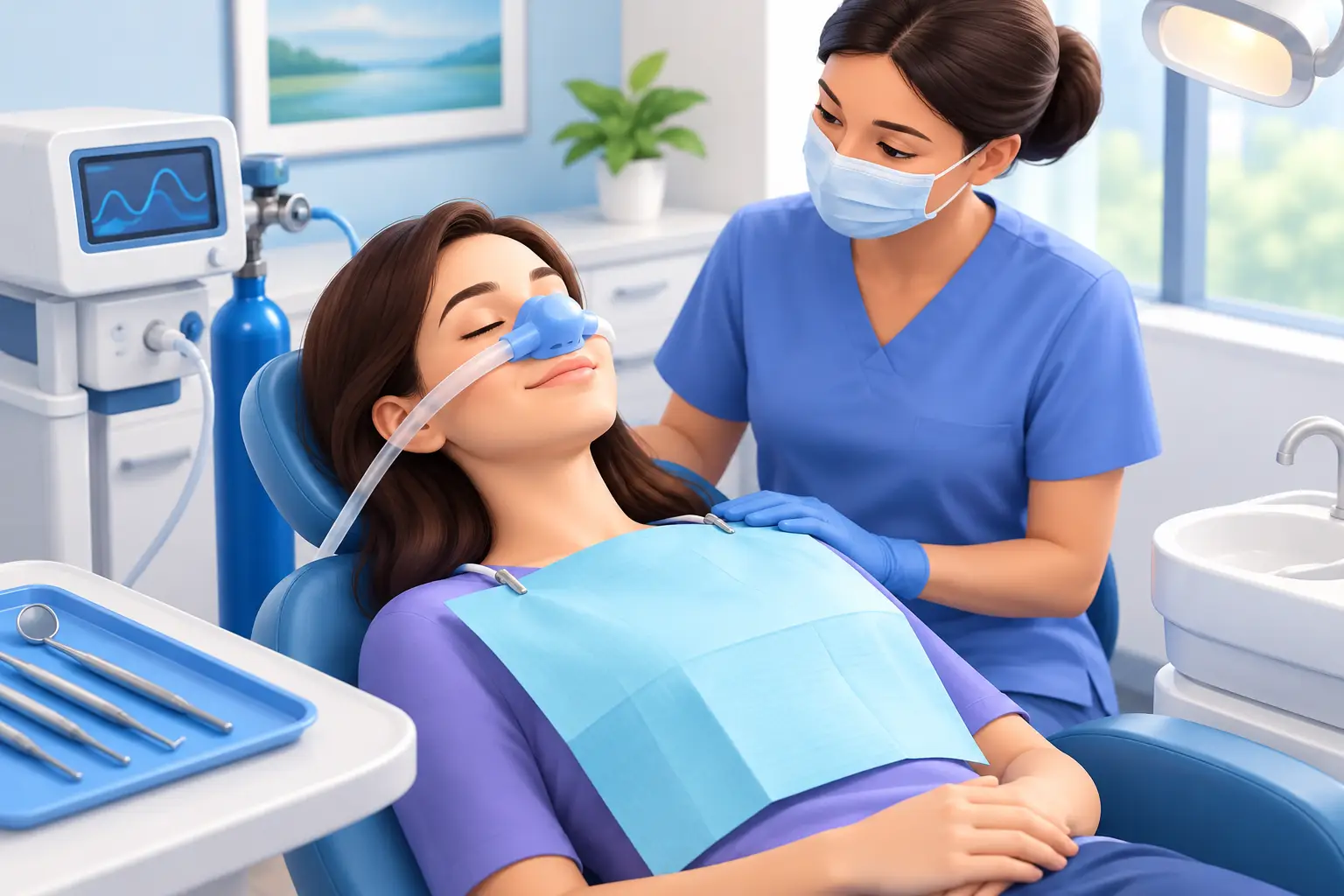
Oral appliance therapy is prescribed in coordination with a physician after appropriate sleep testing. A dentist trained in dental sleep medicine evaluates the teeth, gums, jaw joints, and bite to ensure the appliance is suitable and to monitor changes over time. It may not be appropriate for everyone, including patients with certain jaw conditions, significant dental instability, or some forms of sleep-disordered breathing.
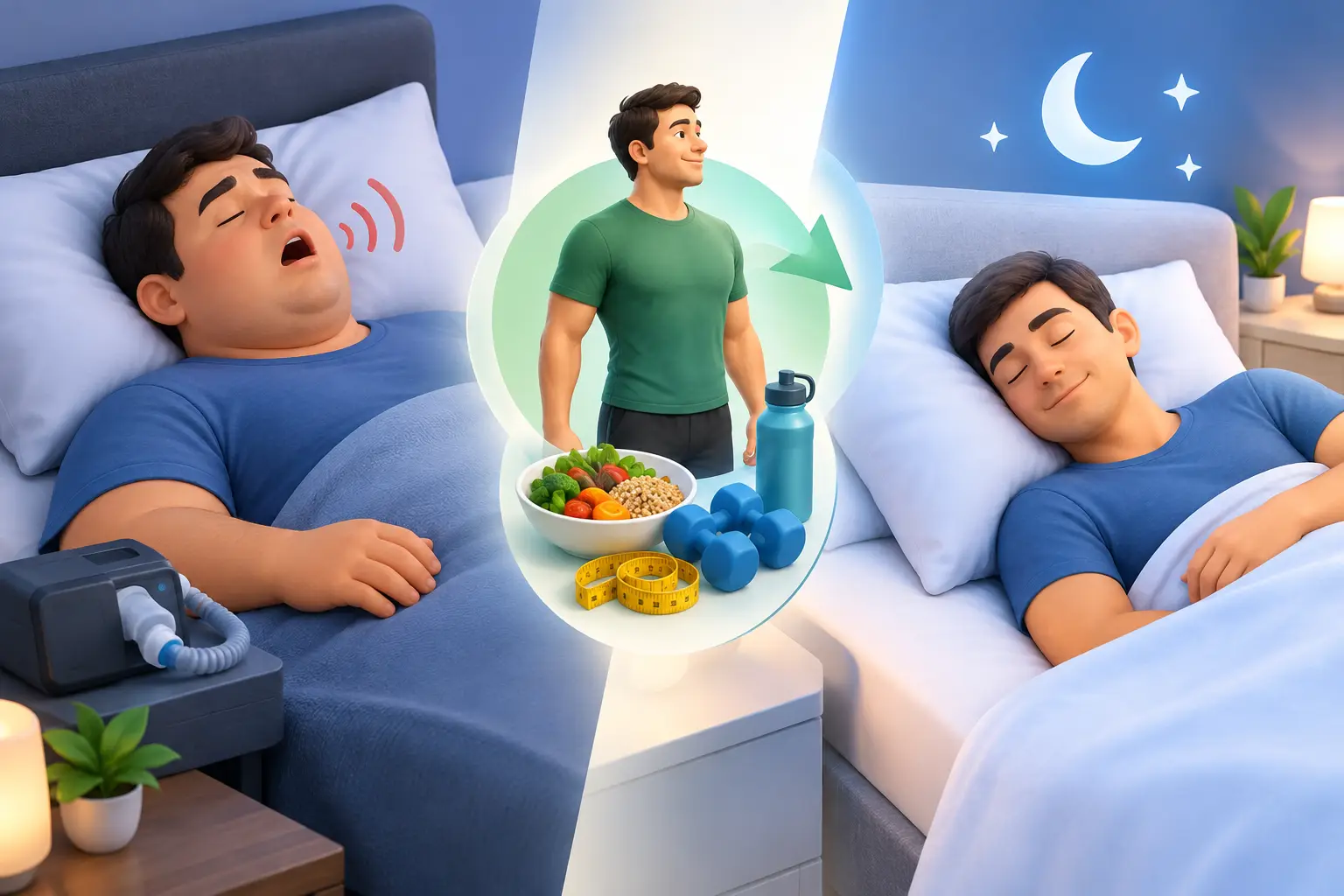
Lifestyle changes, treatment for nasal obstruction, positional therapy, and weight management may also be part of a plan, depending on the individual. Sometimes the most successful approach combines treatments rather than relying on one solution alone.
A Comfortable Path Toward Better Sleep
Breathing concerns at night can feel frightening, but you do not have to sort them out alone. At Seattle Oral Care, an AADSM-certified prosthodontist works with patients and their medical providers to explore custom oral appliance therapy for diagnosed obstructive sleep apnea and snoring. The process begins with listening to your symptoms, reviewing your sleep diagnosis, and explaining your options clearly.
If you are waking up gasping, take the symptom seriously without assuming the worst. Prompt evaluation can help identify what is interrupting your sleep and lead to a treatment plan that supports safer breathing, more restorative rest, and calmer nights ahead.