A crown should feel like a natural part of your smile. If it shifts when you chew, catches your tongue, or feels different when you bite down, it is understandable to ask, why is my crown loose ? In most cases, a loose crown is not something to wait out. The sooner it is assessed, the better the chance of protecting the tooth underneath and avoiding a more involved repair.
Why Is My Crown Loose?
Dental crowns are designed to cover and protect a tooth that has been weakened by decay, a large filling, injury, or root canal treatment. They are secured with dental cement and shaped to work with your bite. When a crown becomes loose, the issue may be with the cement, the tooth beneath it, the crown itself, or the forces placed on it every day.
A loose crown does not always mean the crown has failed permanently. Sometimes a dentist can clean it, check the supporting tooth, and securely recement it. Other times, the crown has loosened because there is decay, a crack, or a change in the tooth that needs treatment first. An examination and X-rays help clarify which situation you are dealing with.
The cement has weakened
Over time, the cement holding a crown in place can break down. This can happen gradually from normal chewing, especially if the crown has been in place for many years. Sticky foods can also pull against a crown that is already beginning to loosen.
If the tooth and crown are both in good condition, recementing may be a straightforward solution. Your dentist will still need to inspect the fit carefully. Recementing a crown over decay or a damaged tooth can seal in a problem rather than solve it.
Decay has formed under the crown
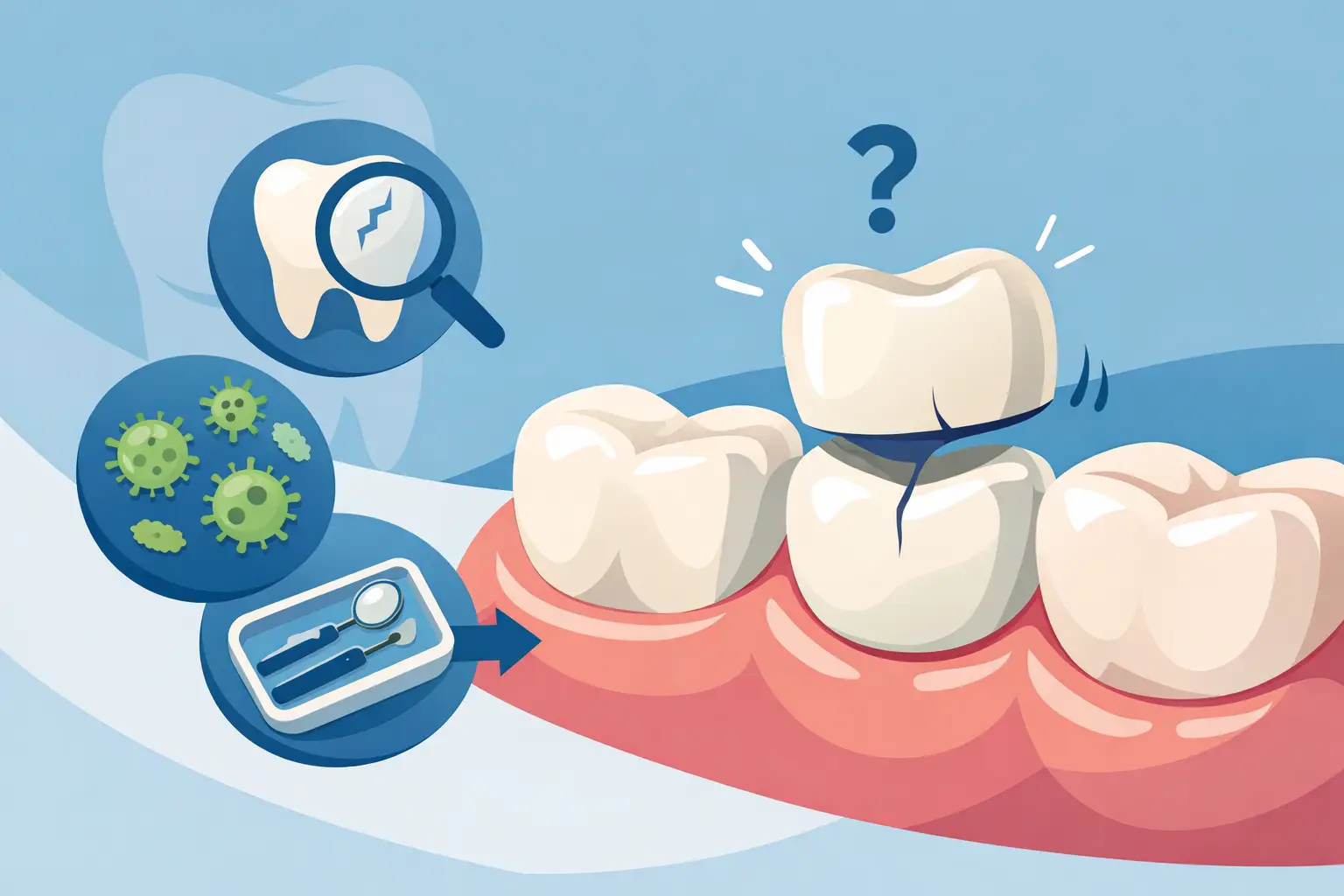
A crown covers the visible portion of a tooth, but the edge where it meets the natural tooth can still collect plaque. If bacteria enter around that margin, decay may develop underneath the crown. As decay weakens the tooth structure, the crown can lose its grip.
This is one reason regular cleanings and exams matter even when a tooth has a crown. Crowns do not decay, but the natural tooth supporting them can. Early decay may be treatable with a new crown. More extensive decay can affect whether the tooth can be restored at all.
The tooth or crown has cracked
Biting on ice, hard candy, popcorn kernels, or an unexpected olive pit can fracture a crown or the tooth beneath it. Teeth that have had root canal treatment can be more brittle, particularly when they have lost a significant amount of natural structure.
Clenching and grinding can also create small cracks over time. You may notice soreness when biting, temperature sensitivity, or a crown that rocks slightly. A crack is not always visible without a close clinical evaluation, so do not assume the crown only needs glue because it is not painful.
Your bite has changed or too much force is hitting the crown
Your bite can change for several reasons, including tooth movement, wear, missing teeth, new dental work, or nighttime grinding. When one part of a crown receives repeated heavy pressure, the cement seal can weaken and the restoration can loosen.
A dentist may check how your teeth come together and look for signs of grinding, such as worn enamel or jaw tension. Adjusting a high spot, replacing a poorly fitting crown, or using a custom night guard may help protect the restoration from repeated stress.
The crown does not fit as it should
Crowns should sit closely against the tooth and fit comfortably into your bite. If a crown was never an ideal fit, or if it has worn or changed over time, food and bacteria may collect at its edges. A crown that feels bulky, traps food constantly, or has repeatedly come loose may need to be replaced rather than recemented again.
Loose Crowns on Teeth and Implants Are Different
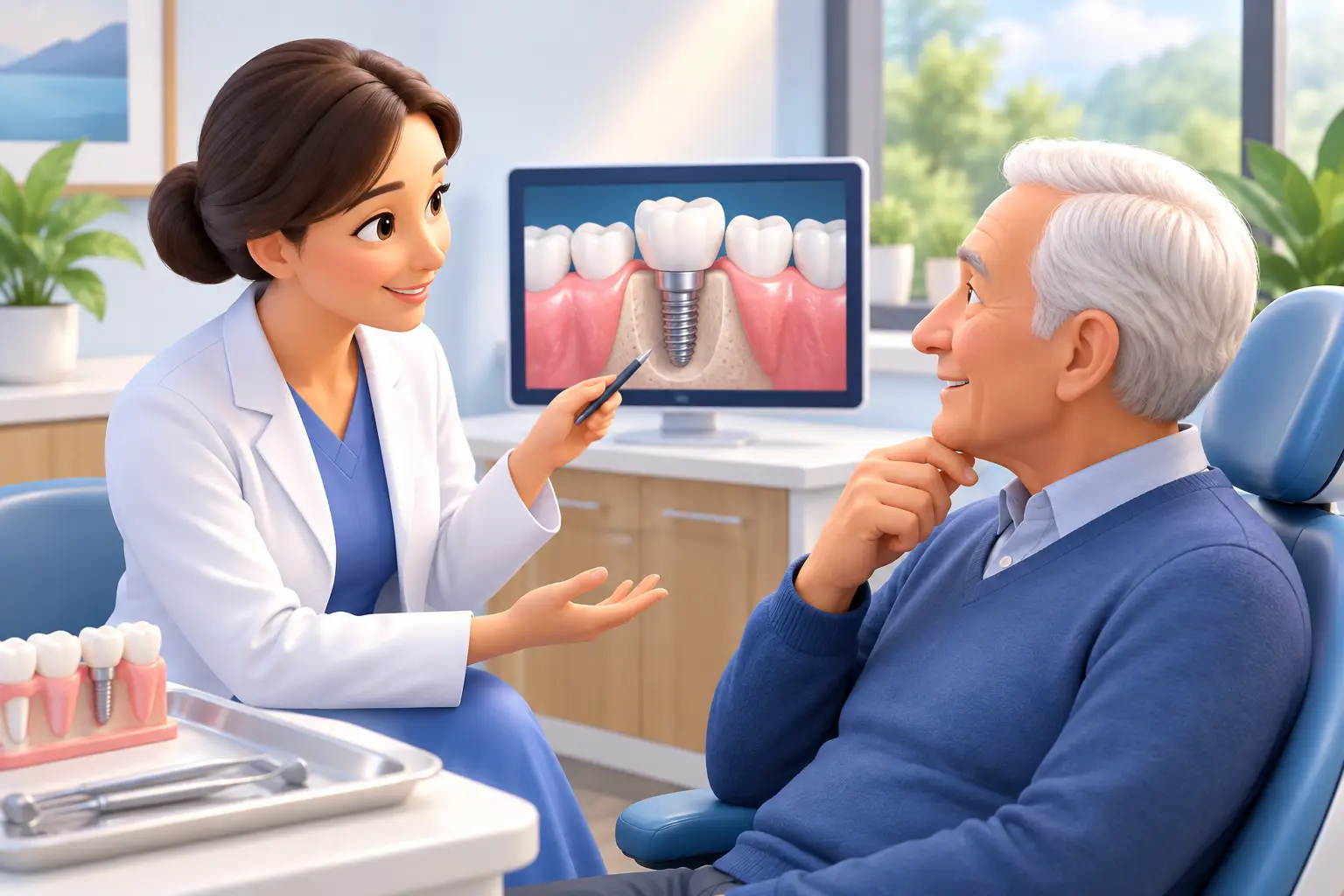
A crown on a natural tooth is typically cemented or bonded to the tooth. An implant crown may be cement-retained or attached with a small screw. If an implant crown feels loose , the crown, connecting screw, or restoration may be the source of the movement.
This distinction matters. An implant itself should not move. If you feel movement at the implant level, have swelling, bleeding, pain, or a change in your bite, contact your dentist promptly. Do not try to tighten, remove, or glue an implant crown yourself. Implant restorations need the correct tools and careful evaluation to protect the implant and surrounding bone.
What to Do When a Crown Feels Loose
Treat a loose crown gently until you can be seen. Avoid chewing on that side, especially hard, crunchy, sticky, or chewy foods. Keep the area clean with gentle brushing and flossing, but take care when pulling floss out near the crown. Sliding the floss out from the side may reduce the chance of tugging it further loose.
If the crown comes off completely, save it. Rinse it gently with water and place it in a clean container. Bring it to your appointment. Do not use household glue, craft adhesive, or permanent over-the-counter products to put it back. These materials can damage the crown, irritate tissue, make removal difficult, and interfere with a proper fit.
Until your visit, follow these practical steps:
- Keep the crown if it has come out and bring it with you.
- Avoid chewing on the affected side and skip sticky or hard foods.
- Continue gentle brushing to keep the tooth and gumline clean.
- Call for an appointment as soon as you notice looseness, even if there is no pain.
Temporary dental cement sold at pharmacies may occasionally be useful when professional care is not immediately available, but it is only a short-term measure. It should never replace an examination. If the crown will not stay in place easily, leave it out rather than forcing it onto the tooth.
When a Loose Crown Needs Urgent Care
Call your dental office promptly if you have significant pain, facial swelling, fever, pus, bleeding around the tooth, or difficulty swallowing. These symptoms can point to infection or another issue that should not be delayed.
You should also seek urgent help if you think you swallowed or inhaled the crown. Swallowing a crown is often not dangerous, but inhaling one can be serious, particularly if you are coughing, wheezing, or having trouble breathing. In that situation, seek emergency medical care.
Even without severe symptoms, a loose crown deserves timely attention. The exposed tooth may be sensitive and more vulnerable to breaking. If the crown was protecting a tooth after root canal treatment, delaying care can raise the risk that the remaining tooth structure fractures below the gumline.
What Your Dentist Will Check
A careful visit begins with listening to what you have noticed: when the looseness started, whether it hurts, and whether the crown came off. Your dentist will examine the crown, the gumline, the bite, and the tooth underneath. X-rays may be used to look for decay, infection, changes around the root, or issues that cannot be seen from the outside.
From there, treatment depends on what is found. A sound crown and healthy tooth may be cleaned and recemented. If decay is present but the tooth remains strong enough, your dentist may remove the decay, rebuild the tooth, and recommend a new crown. If the tooth has a fracture, infection, or limited remaining structure, treatment may involve root canal therapy, periodontal care, or discussing replacement options such as a dental implant.
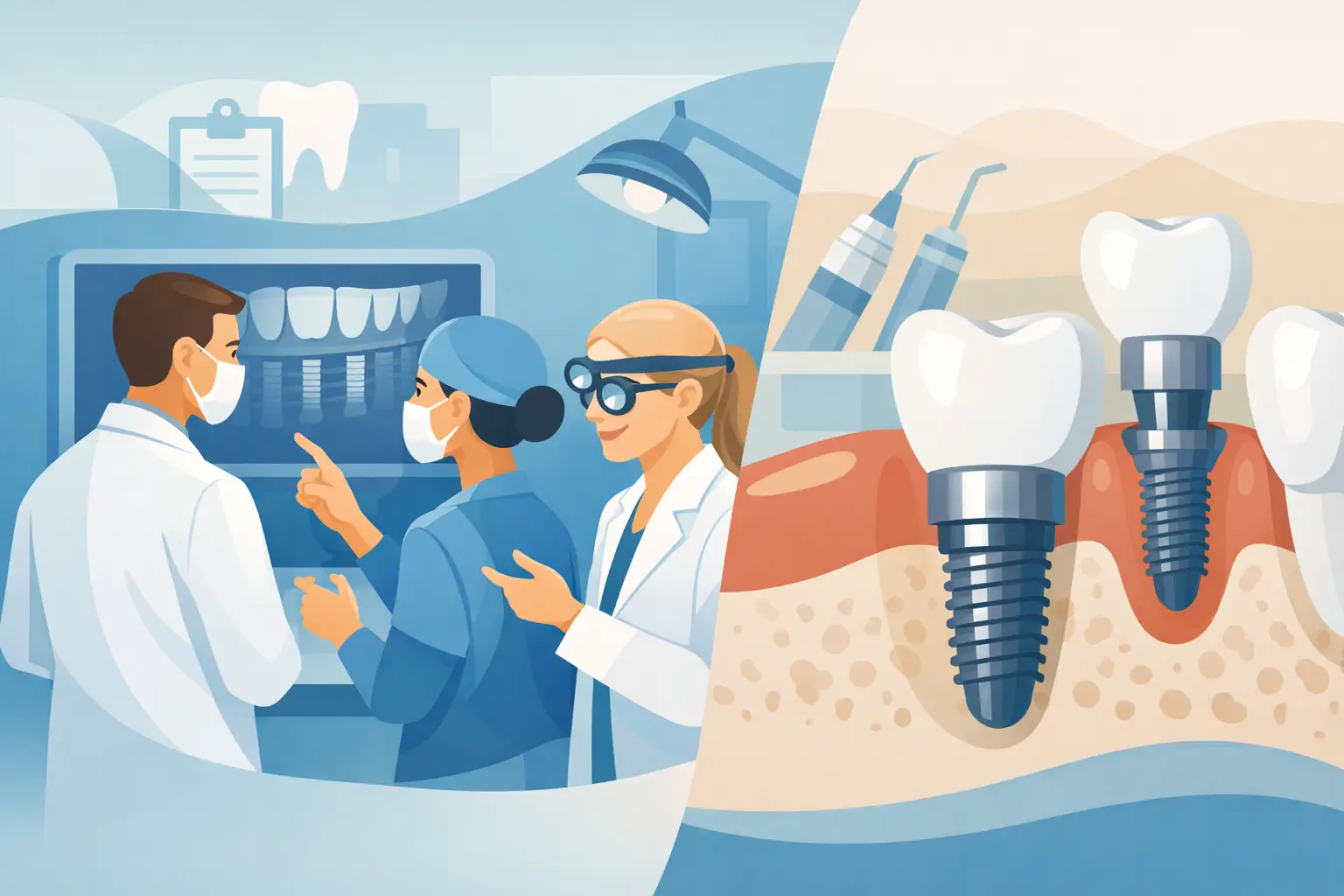
At Seattle Oral Care, coordinated care can be especially valuable when a loose crown is connected to a more complex concern. A general dentist, prosthodontist, periodontist, and oral surgeon can work together to help create a plan focused on both immediate comfort and a durable result.
Can You Prevent a Crown From Loosening Again?
No crown lasts forever, but good habits can extend its life. Brush twice daily with fluoride toothpaste, clean between teeth every day, and keep up with professional cleanings and exams. Tell your dentist if you clench, grind, wake with jaw soreness, or notice frequent headaches. A protective night guard can reduce damaging pressure for many patients.
It also helps to be thoughtful with hard foods. Crowns are strong enough for normal eating, but they are not meant to crack ice, open packages, or repeatedly handle very hard objects. If your bite feels uneven after receiving a crown, speak up early. A small adjustment can prevent larger problems later.
A loose crown can feel unsettling, especially if you have had difficult dental experiences before. You do not need to guess whether it can wait. A timely, gentle evaluation can protect the tooth you have and give you a clear path forward.