Being told that there is not enough bone in your upper jaw can feel like a door closing on dental implants. It usually is not. When patients compare zygomatic implants vs All-on-4 , the real question is whether the bone that remains can safely support a full-arch restoration and which path best protects long-term function, comfort, and confidence.
Upper-jaw bone loss is common after teeth have been missing for years, following periodontal disease, or after wearing a removable denture. The upper jaw also has large sinus spaces, which can further limit the bone available for conventional implants. A careful evaluation can reveal more options than an initial conversation may suggest.
Why the upper jaw needs a different implant plan
Implants need stable bone to support chewing forces over time. In the upper jaw, bone is often softer and can shrink more quickly after teeth are lost. The back of the upper jaw may also have limited height because of the sinuses.
That does not mean every patient needs a highly specialized approach. Some people have enough bone in the front of the jaw for strategically placed implants. Others can benefit from rebuilding bone before implant placement. For patients with severe bone loss, however, treatment may require implants that use bone outside the usual tooth-bearing area.
A 3D CBCT scan, oral examination, health history, bite analysis, and discussion of your goals are essential. The right plan is not determined by an X-ray alone or by a single phrase such as “you do not have enough bone.”
Zygomatic implants vs All-on-4: the key difference
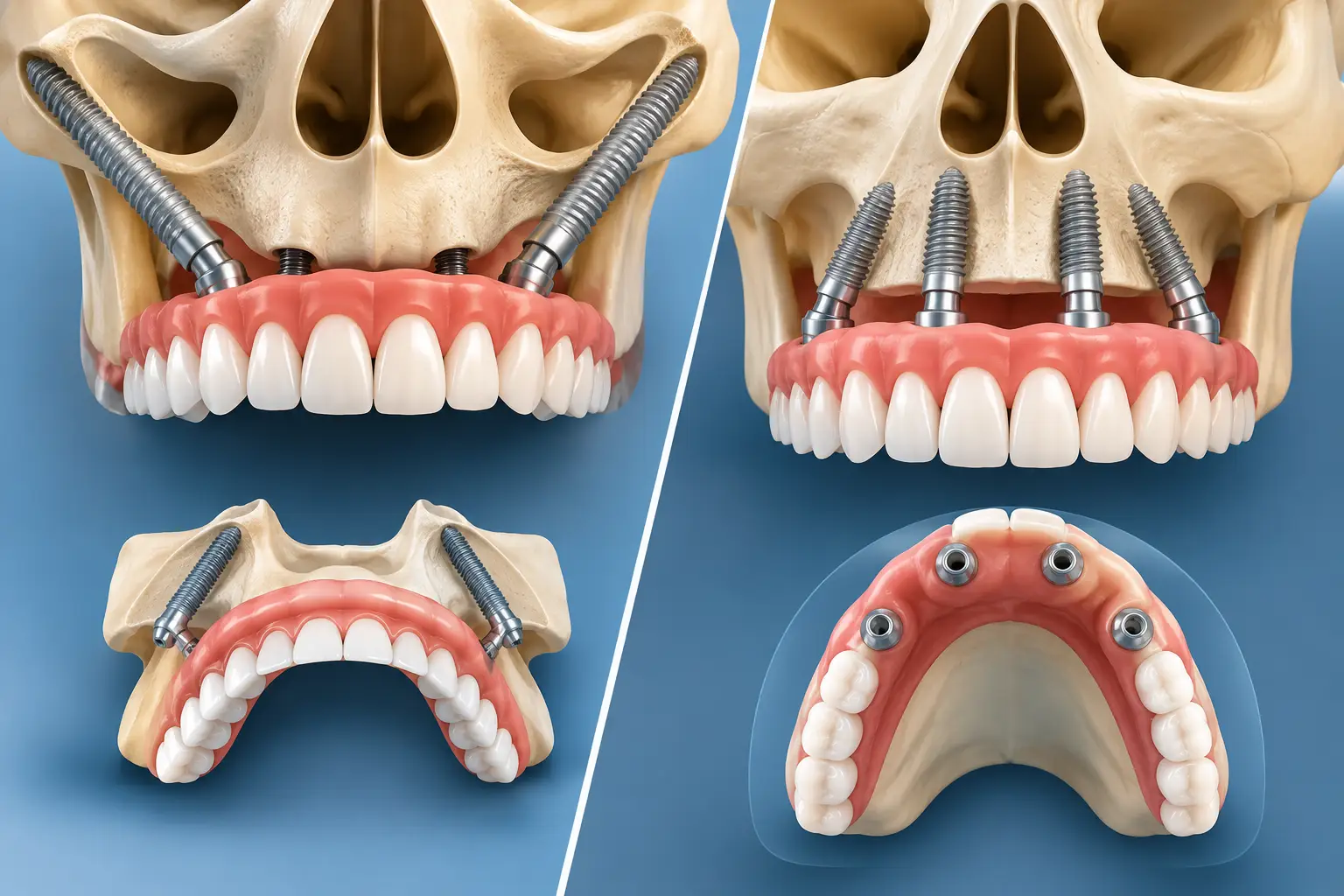
All-on-4 is a full-arch concept that typically uses four implants to support a fixed bridge. In the upper jaw, the rear implants are often angled to make the best use of available bone and avoid the sinus area. When there is adequate bone in the front portion of the upper jaw, this approach can provide a fixed set of teeth without placing an implant beneath every missing tooth.
Zygomatic implants are longer implants anchored in the zygomatic bone, commonly called the cheekbone. This bone is denser and usually remains available even when the upper jaw has experienced significant bone loss. A zygomatic implant plan may include two cheekbone implants plus conventional implants in the front of the upper jaw, or other configurations based on the anatomy.
In simple terms, All-on-4 relies on the remaining jawbone. Zygomatic implants extend the support into the cheekbone when remaining jawbone is too limited for a predictable conventional approach.
When All-on-4 may be a good fit
All-on-4 can be an excellent option for someone who needs a full upper arch and still has sufficient bone in key areas. It may avoid or reduce the need for bone grafting, especially compared with placing individual implants throughout the back of the jaw.
A fixed provisional bridge is often possible soon after surgery when implants achieve appropriate stability. That can be a meaningful benefit for patients who are tired of a loose upper denture and want teeth that remain in place while they heal.
Still, the name should not make the decision for you. Not every upper jaw is suited to exactly four implants, and not every full-arch restoration should be designed the same way. Bone quality, bite forces, clenching habits, sinus anatomy, gum health, and the final tooth design all matter.
When zygomatic implants may be considered
Zygomatic implants are generally considered for more advanced upper jaw bone loss. They can be particularly helpful when there is too little posterior or overall upper-jaw bone for conventional implants, or when extensive bone grafting would otherwise be needed.
For the right candidate, this approach can shorten the route to fixed teeth because it may avoid the months of healing associated with major grafting procedures. It can also offer a stable foundation for patients who have been told they are not implant candidates because their upper jaw has deteriorated too far.
Because zygomatic implants are placed near the sinus and cheekbone, they require detailed planning and an experienced surgical team. This is not a routine implant procedure. The surgeon must evaluate sinus health, facial anatomy, bite relationship, and the restorative plan before treatment begins.
Zygomatic vs conventional implants: what changes?
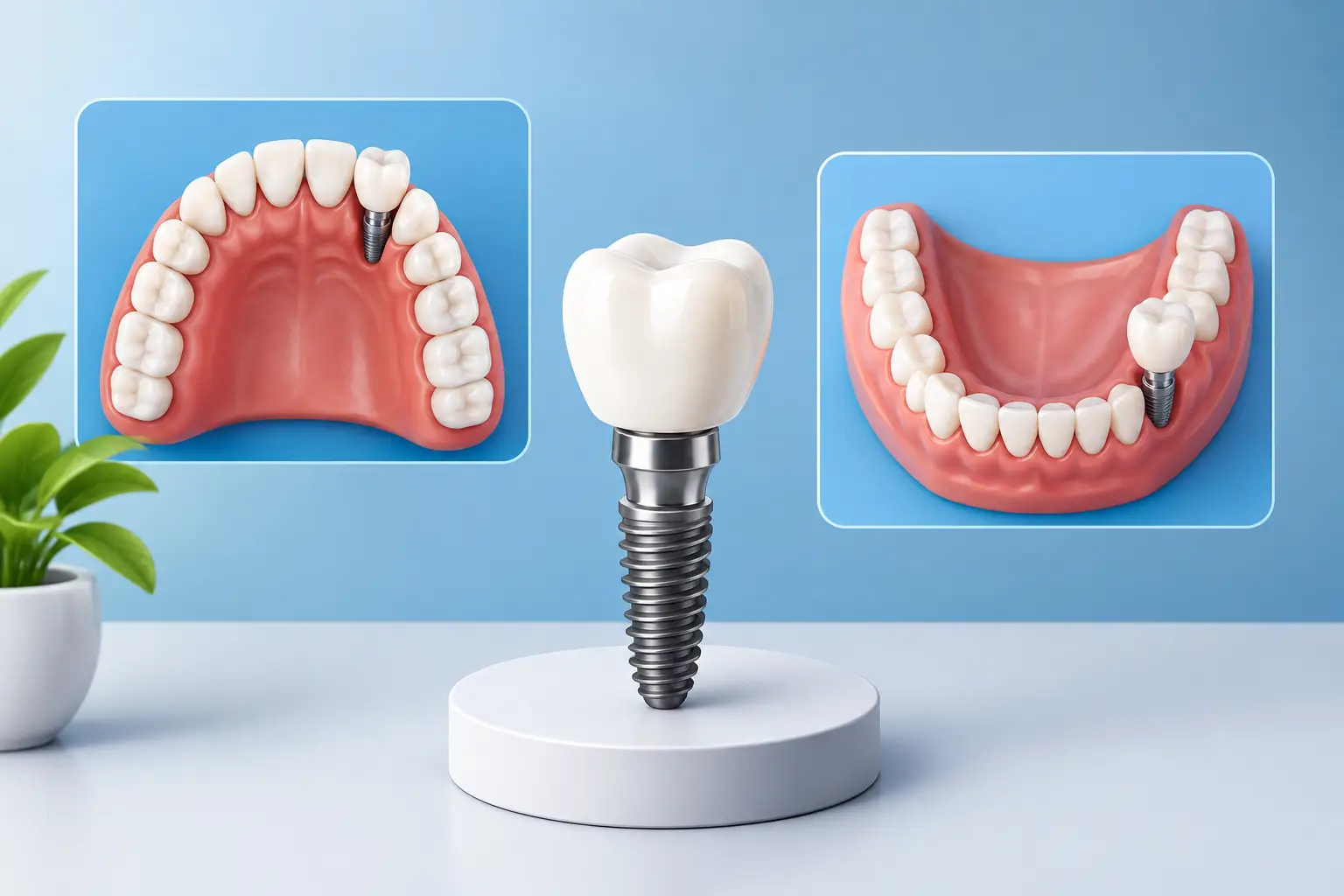
With conventional implants, the implant is placed in the alveolar bone, the portion of the jaw that once held the natural teeth. If that bone is insufficient, a clinician may recommend bone grafting, a sinus lift, or a staged treatment process before implants are placed.
Zygomatic vs conventional implants is not a question of which is inherently better. They serve different clinical needs. Conventional implants are usually preferred when the existing jawbone can support them because they are less complex and work very well in appropriate conditions. Zygomatic implants are a specialized solution for anatomy that cannot reliably support conventional implants alone.
The trade-off is important. Zygomatic treatment can reduce reliance on grafting and may provide fixed teeth sooner, but surgery is more involved and case selection must be precise. Conventional treatment with grafting may take longer, yet it can be a sound, conservative route for patients with localized or moderate bone loss.
Upper jaw bone loss implant options beyond a single label
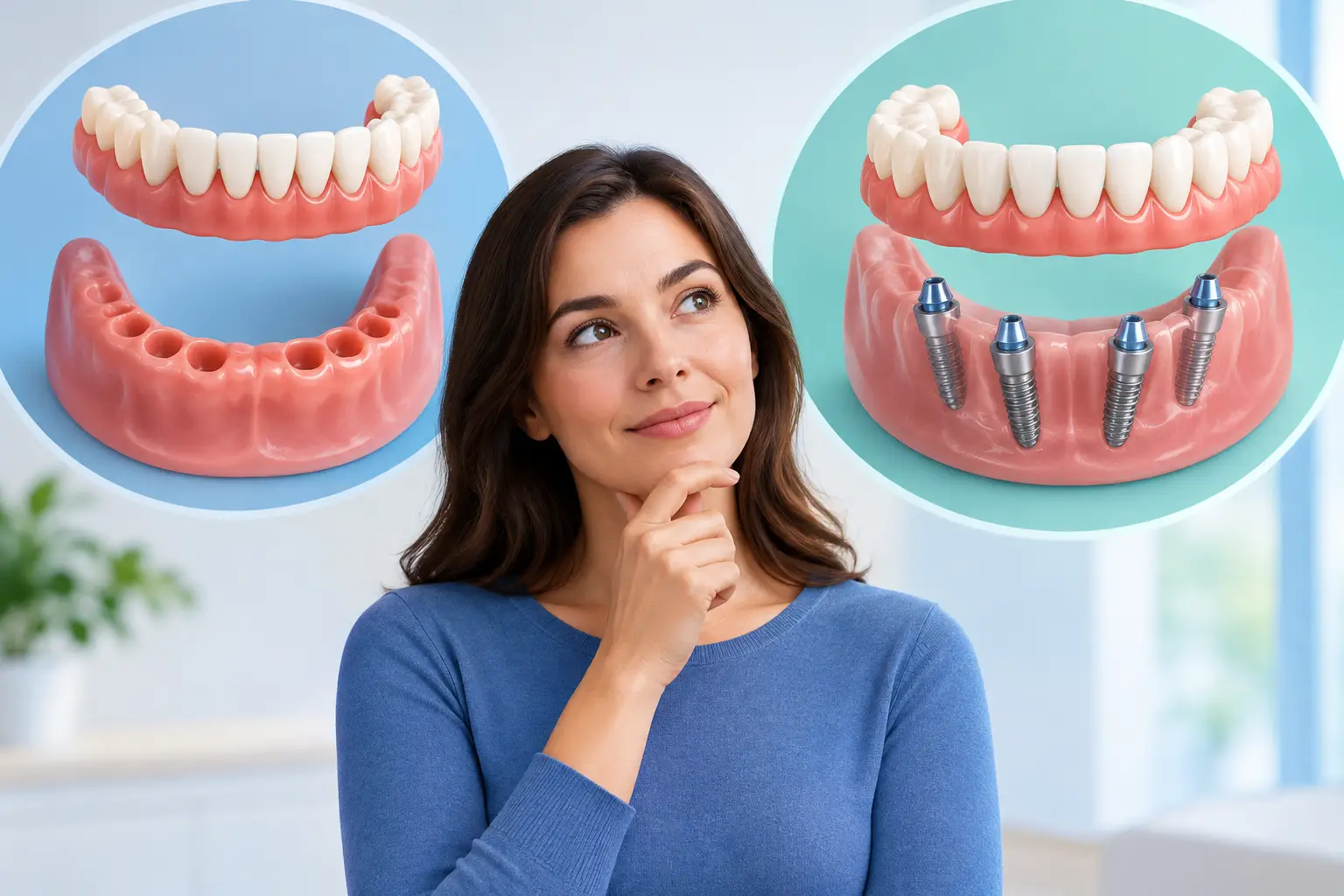
If you have been told you lack upper jaw bone, you deserve a conversation about the full range of options, not pressure toward one branded approach. Depending on your anatomy and goals, a plan may involve conventional implants with bone grafting, a sinus lift, an All-on-4-style restoration, zygomatic implants, a removable implant-supported denture, or a combination of these approaches.
A removable implant-supported denture can be a practical choice for some patients. It offers more stability than a traditional denture while allowing the prosthesis to be removed for cleaning. A fixed bridge feels closer to natural teeth for many people, but it also requires excellent hygiene, maintenance visits, and sufficient access for cleaning beneath the restoration.
Your overall health matters as well. Conditions such as uncontrolled diabetes, active gum disease, smoking or nicotine use, certain medications, and untreated sleep apnea can affect healing and treatment planning. These factors do not automatically rule out implants, but they should be addressed openly.
Questions worth asking at your consultation
A strong consultation should leave you with more than a procedure name. Ask whether you have enough bone for conventional implants, whether grafting would improve the outlook, and why a full-arch design is being recommended. You can also ask whether a temporary fixed bridge is appropriate, what the final restoration will be made from, and how future maintenance will be handled.
It is also reasonable to ask who will complete each stage of care. Complex full-arch treatment benefits from coordination between surgical and restorative clinicians. The placement of implants, the bite design, and the final bridge are closely connected. A plan can look successful on the day teeth are delivered yet create problems later if the bite or hygiene access has not been thoughtfully designed.
At Seattle Oral Care, complex implant planning brings together prosthodontic, surgical, periodontal, and general dentistry perspectives so patients can understand the benefits, limitations, and expected timeline before committing to treatment.
What recovery and long-term care look like
Recovery varies with the procedure, the number of teeth removed, grafting needs, and your general health. Swelling, tenderness, and dietary restrictions are expected after implant surgery. Your care team will guide you on pain control, cleaning, and when to progress from a soft diet.
Whether you receive zygomatic or conventional implants, the long-term success of a full-arch restoration depends on daily care and regular follow-up. You will need to clean around the bridge carefully, attend professional maintenance visits, and protect the restoration if you clench or grind. Implant-supported teeth do not get cavities, but the surrounding gums and bone still need consistent care.
The best full-arch approach is the one that fits your anatomy, health, expectations, and willingness to maintain the result. A thorough evaluation can turn “not enough upper jaw bone” from a discouraging verdict into a clear next step toward teeth that feel secure, comfortable, and built to last.