A drugstore sleep device can look like a simple solution: heat it, bite down, and hope for a quieter night. If you are comparing a custom vs off-the-shelf mandibular device, including a boil-and-bite sleep apnea device, the real question is not just whether it fits your mouth. It is whether it can safely and predictably treat the breathing problem you actually have.
For some people, snoring is primarily a noise concern. For others, it is a sign of obstructive sleep apnea (OSA), a condition in which the airway repeatedly narrows or closes during sleep. The right treatment can improve sleep quality, daytime energy, and overall health. That is why a professionally made mandibular device for OSA is very different from a one-size-fits-most product on a pharmacy shelf.
What a Mandibular Device Does
A mandibular advancement device is an oral appliance worn over the teeth while you sleep. It gently holds the lower jaw slightly forward. Moving the jaw forward can also bring the tongue and related soft tissues forward, helping create more space in the upper airway.
This approach can be effective for many adults with snoring or diagnosed mild to moderate OSA. It may also be considered for some people with more severe OSA who cannot tolerate CPAP or prefer an alternative, provided treatment is coordinated with their sleep physician. The key is that the amount of jaw advancement must be appropriate for your anatomy, your teeth and bite, and your response to treatment.
A device that advances the jaw too little may not help. One that pushes too far, too quickly, or unevenly can leave you with jaw pain, tooth soreness, headaches, or bite changes.
Custom vs Off-the-Shelf Mandibular Device: What Changes?
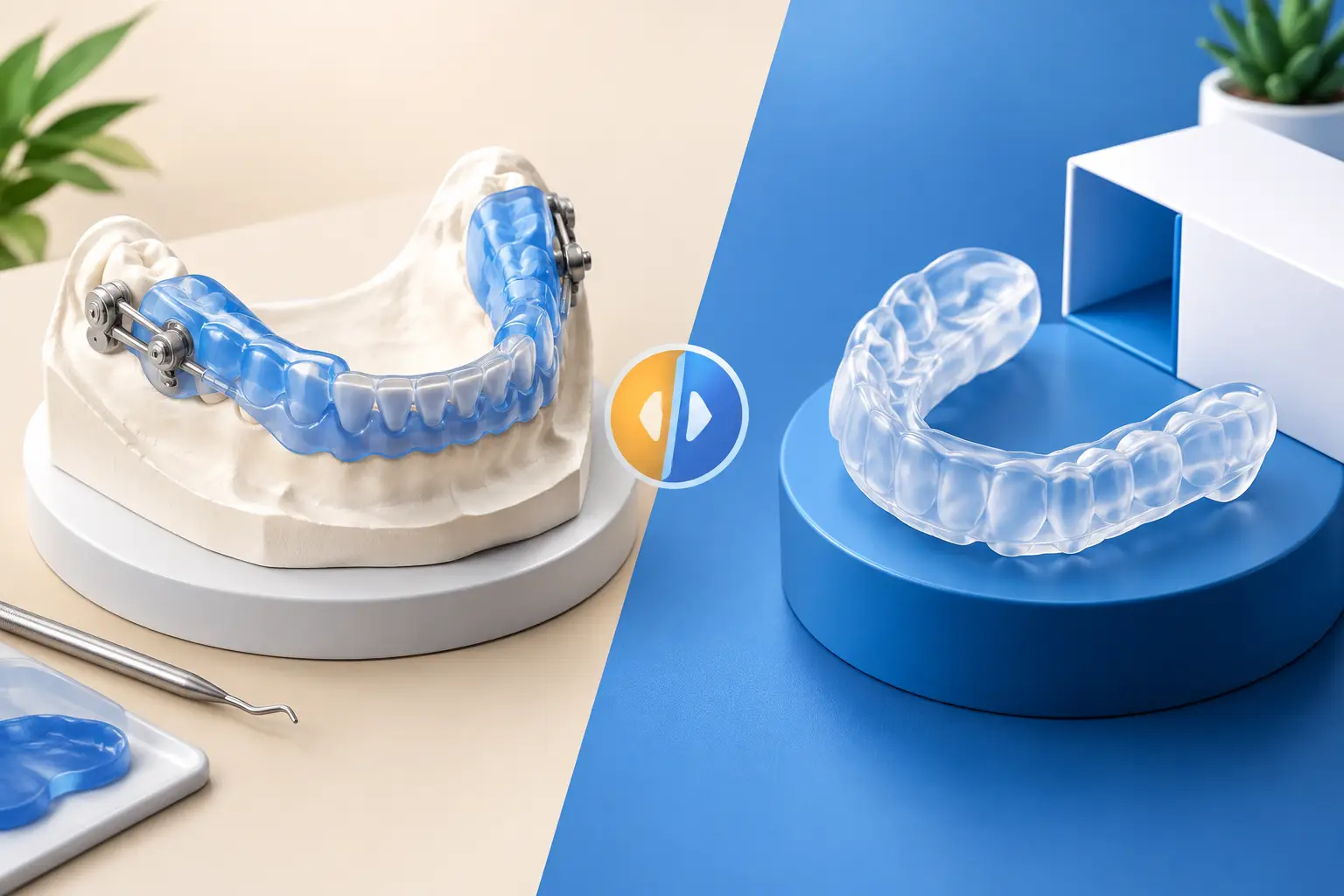
The most visible difference is fit. A boil-and-bite device is softened in hot water, then shaped by biting into it. Even when molded carefully, it is still made from a generic design with limited ability to match the contours of each tooth, gumline, bite relationship, and jaw position.
A custom appliance begins with precise records of your teeth and bite. It is fabricated specifically for your mouth and is designed to stay in place throughout the night without relying on bulky, loose material. A qualified dental provider can also evaluate whether your teeth, gums, jaw joints, crowns, bridges, implants, or dentures need special consideration before treatment begins.
Just as important, most custom sleep appliances are adjustable. This means the lower jaw can be advanced in small, controlled increments over time. Adjustment is not about making the device feel tight or aggressive. It is about finding the lowest effective position that improves airway support while protecting comfort and jaw function.
Why Custom Fit Matters Beyond Comfort
Comfort matters because an appliance that sits in a drawer cannot help you. But custom fit has larger clinical implications.
A properly fitted device is more likely to remain secure when you change positions, relax your jaw, or sleep on your side. It can distribute force more evenly across the teeth rather than placing excess pressure on a few areas. It also allows your provider to monitor for changes in tooth position, bite alignment, or temporomandibular joint symptoms.
This is especially relevant if you have dental work. Crowns, bridges, dental implants , missing teeth, periodontal concerns, or a history of jaw pain do not automatically rule out oral appliance therapy. They do, however, make a careful examination essential. A generic device cannot account for the condition and stability of your individual teeth and restorations.
A custom appliance is also made for ongoing care. Your bite and oral health can change over time, and your appliance may need adjustment, repair, or replacement. Treatment is a process, not a one-night purchase.
The Limits of a Boil-and-Bite Sleep Apnea Device
A boil-and-bite sleep apnea device may seem appealing because it is accessible and costs less up front. For occasional snoring, some people may view it as a short-term experiment. However, it should not be treated as a substitute for a sleep apnea evaluation or a prescribed treatment plan.
The central concern is that you cannot tell from snoring alone whether you have OSA or whether a device is controlling it. Sleep apnea can involve oxygen drops, repeated awakenings, elevated cardiovascular strain, and daytime sleepiness even when a bed partner notices less noise. A quieter night does not necessarily mean the airway is being adequately treated.
Generic devices also tend to offer less precise adjustment and less reliable retention. Some are bulky enough to trigger gagging, encourage mouth breathing, or make it difficult to sleep comfortably. Others can create uneven pressure on the front teeth or strain the jaw joint. If you wake with persistent jaw pain, tooth pain, headaches, or a changed bite, stop using the device and speak with a dental professional.
There is another practical concern: a poorly fitting appliance can lead people to abandon oral appliance therapy altogether. That is unfortunate, because a custom device may be comfortable and effective when the right candidate receives the right design, adjustment, and follow-up.
Diagnosis Comes Before Device Choice
Before choosing a mandibular device for OSA, it helps to know what you are treating. Common signs of sleep apnea include loud habitual snoring, witnessed pauses in breathing, gasping during sleep, morning headaches, dry mouth, frequent nighttime waking, and excessive daytime fatigue. Some people also notice trouble concentrating, irritability, or falling asleep unintentionally.
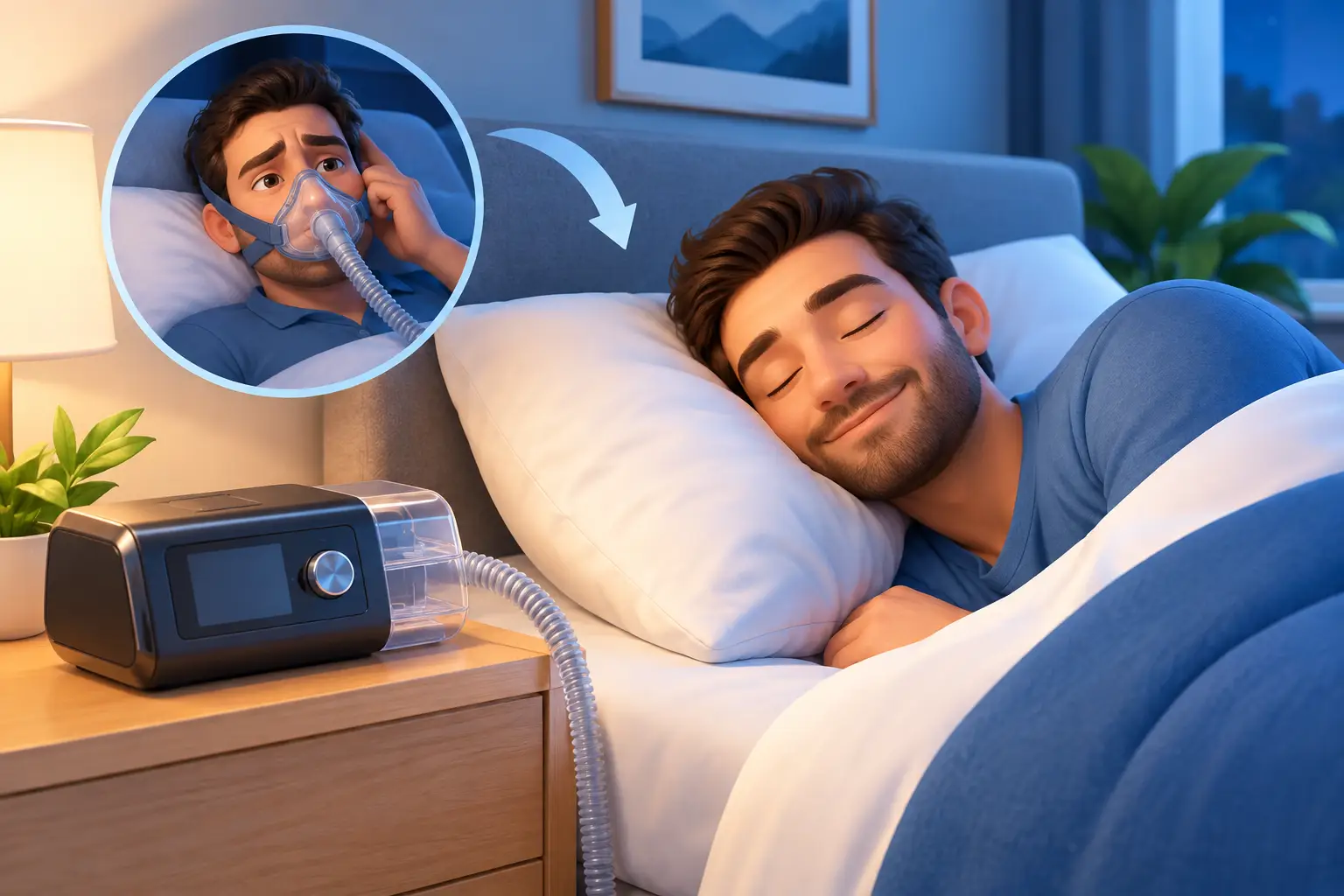
A sleep physician can determine whether OSA is present and how severe it is, often with a sleep study completed at home or in a sleep center. That diagnosis guides treatment decisions. CPAP remains a highly effective option, particularly for severe OSA, while oral appliance therapy can be an excellent alternative or coordinated treatment for appropriate patients.
Your dentist and sleep physician should work from the same plan. After a custom appliance is adjusted, follow-up sleep testing may be recommended to confirm that the treatment is controlling your apnea, not simply reducing snoring.
What Professional Oral Appliance Care Looks Like
A well-planned oral appliance experience should feel thoughtful, not rushed. Your provider will review your sleep diagnosis, medical history, medications, dental health, jaw function, and treatment goals. They will examine the teeth and supporting tissues, discuss whether an appliance is appropriate, and explain the benefits and limitations in clear terms.
At Seattle Oral Care, oral appliance therapy is provided with this level of individualized attention by an AADSM-certified prosthodontist. That matters because prosthodontists are trained in the function, restoration, and long-term protection of the teeth and bite. For patients with complex dental needs, the ability to coordinate sleep treatment with restorative care can help avoid compromises that a retail device cannot anticipate.
Once a custom appliance is delivered, the work continues. Small adjustments are made based on symptoms, comfort, and clinical guidance. Follow-up visits check the appliance, the jaw joints, the teeth, and the bite. Many patients also receive a morning repositioning guide to help their jaw return to its usual bite after removing the appliance.
When an Off-the-Shelf Device May Not Be Worth the Risk
A pharmacy device is particularly poor fit for anyone with diagnosed OSA, significant daytime sleepiness, severe snoring with choking or gasping, jaw joint problems, loose teeth, active gum disease, extensive dental restorations, or an unstable bite. It is also not a reliable choice for people who have been told they stop breathing in their sleep.
Cost is a valid concern, and it is reasonable to ask about fees, insurance coverage, financing, and treatment alternatives. Still, the lower sticker price of a boil-and-bite device can be misleading if it does not treat the condition, causes dental discomfort, or delays a proper diagnosis. A custom appliance is an investment in a device that is designed to be adjusted, monitored, and used consistently.
If you are tempted by a drugstore device, let that interest be the prompt to ask a better question: could oral appliance therapy be right for me? With the right diagnosis and a custom fit, a mandibular device can offer a comfortable, practical path toward quieter nights and more restorative sleep.