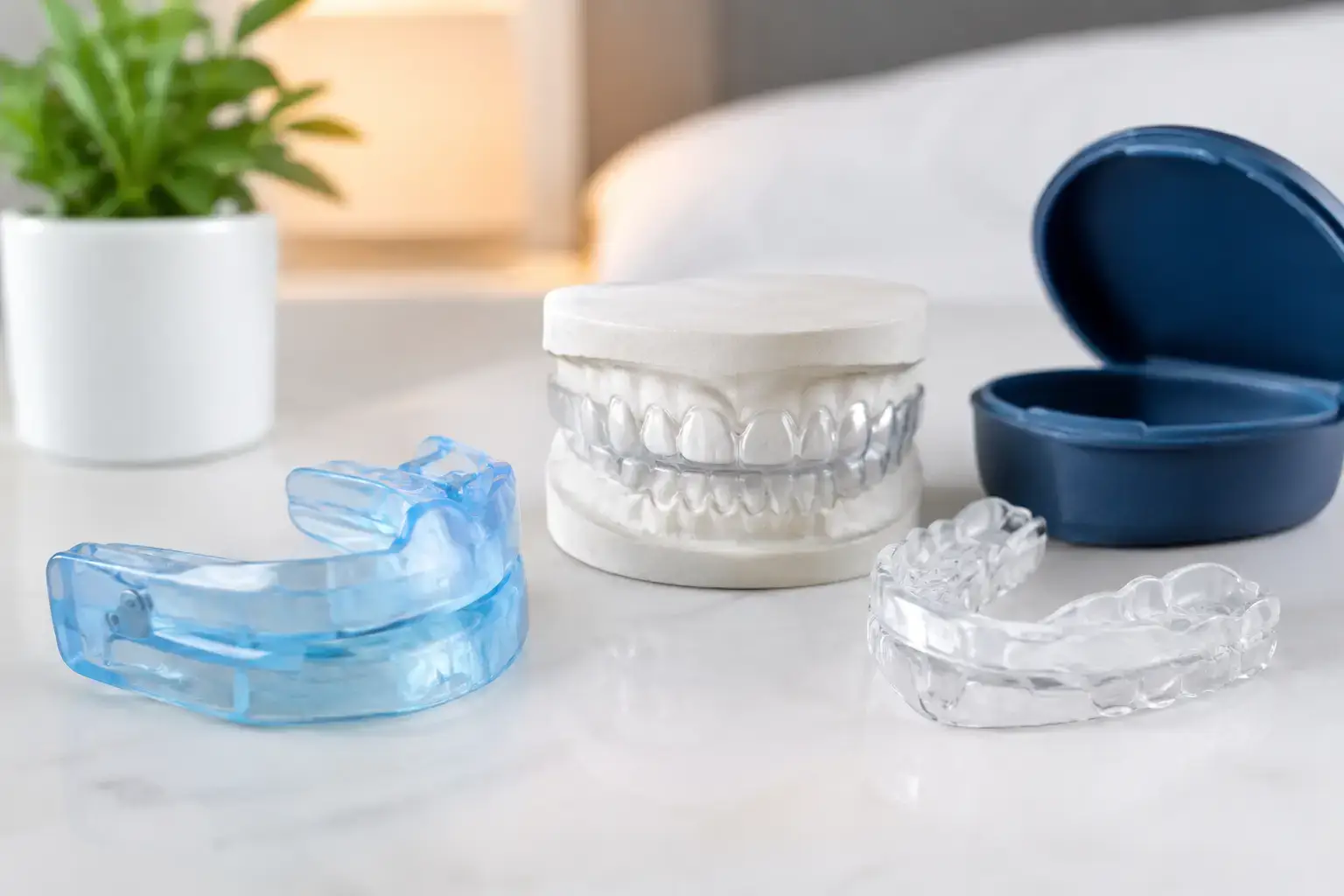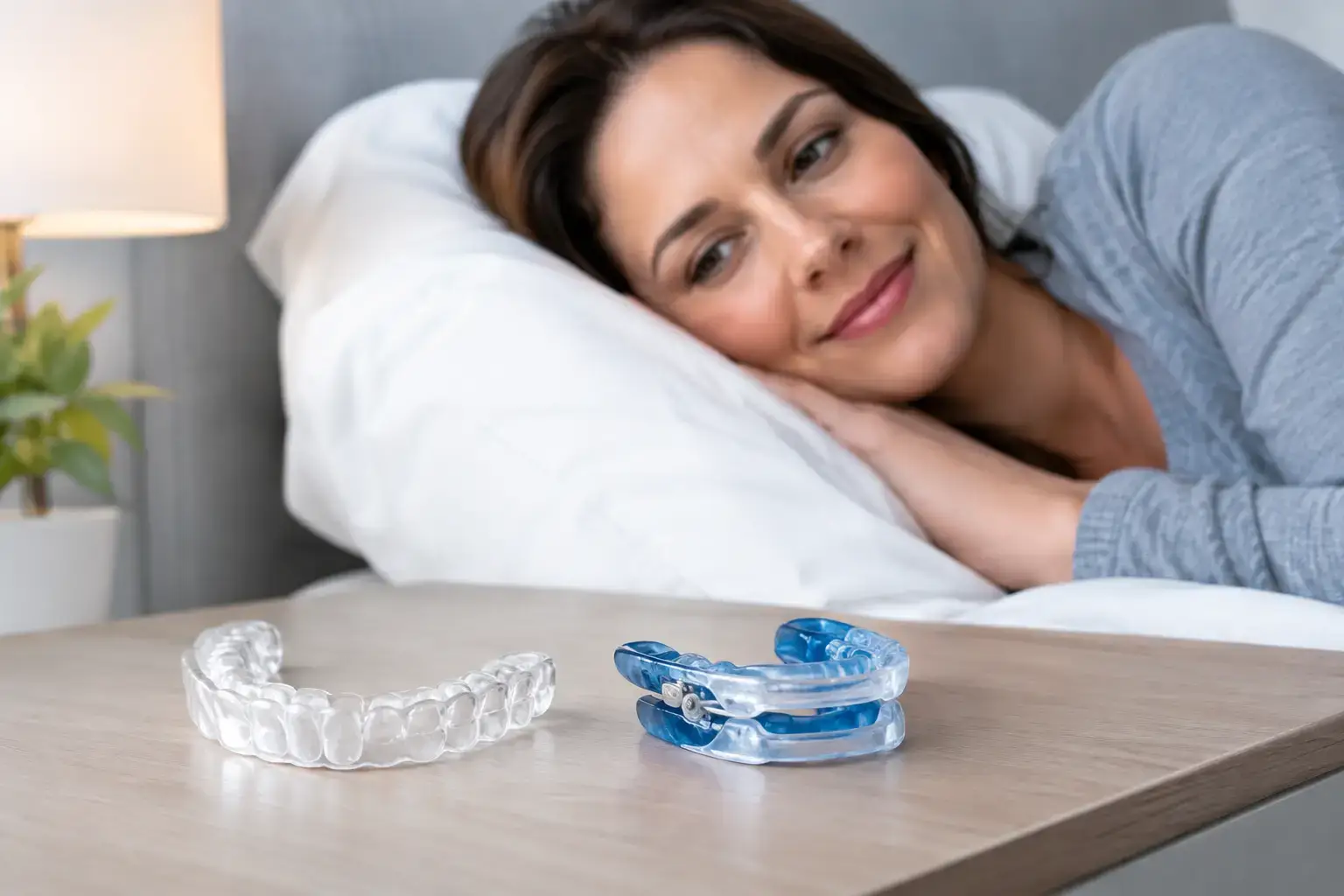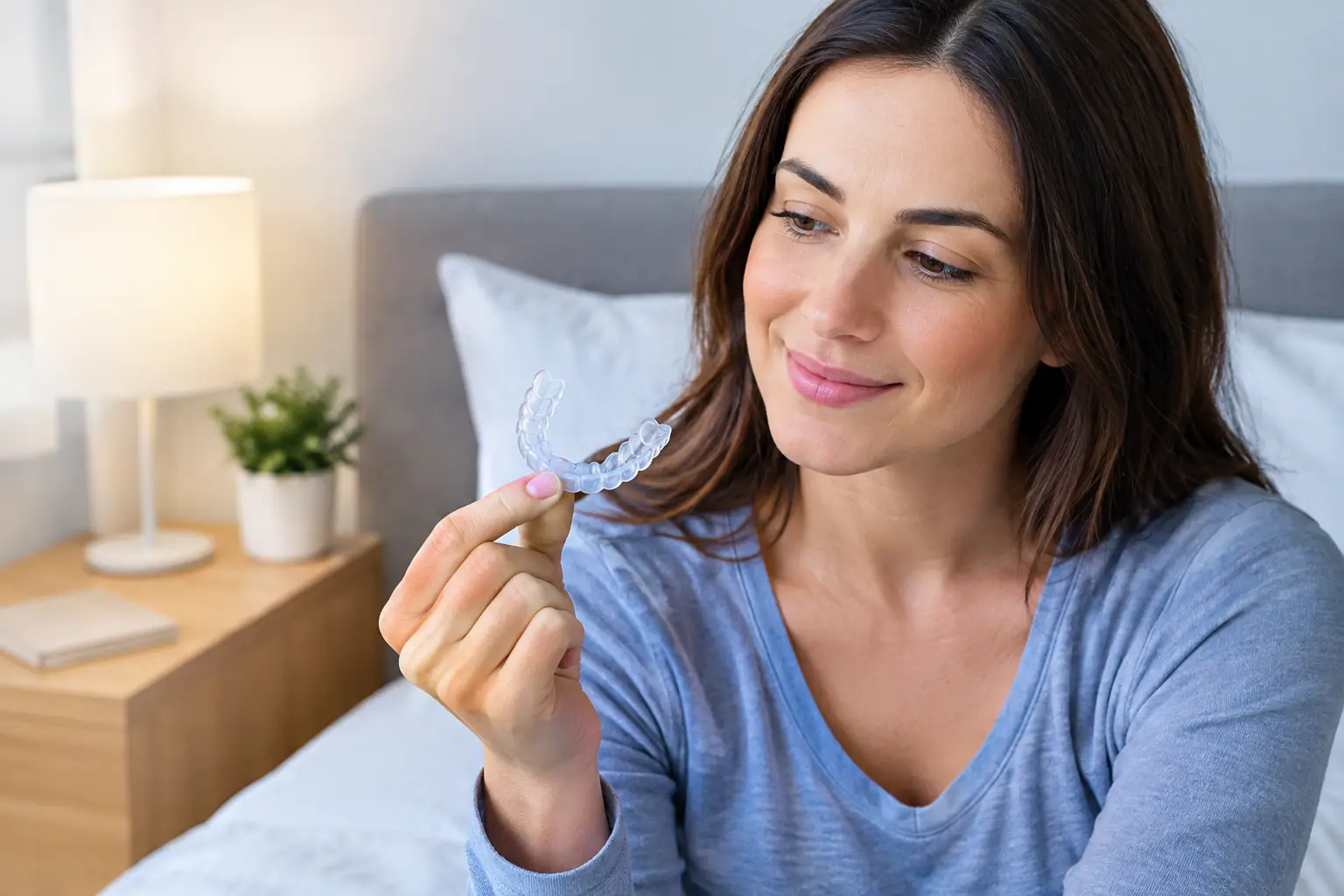
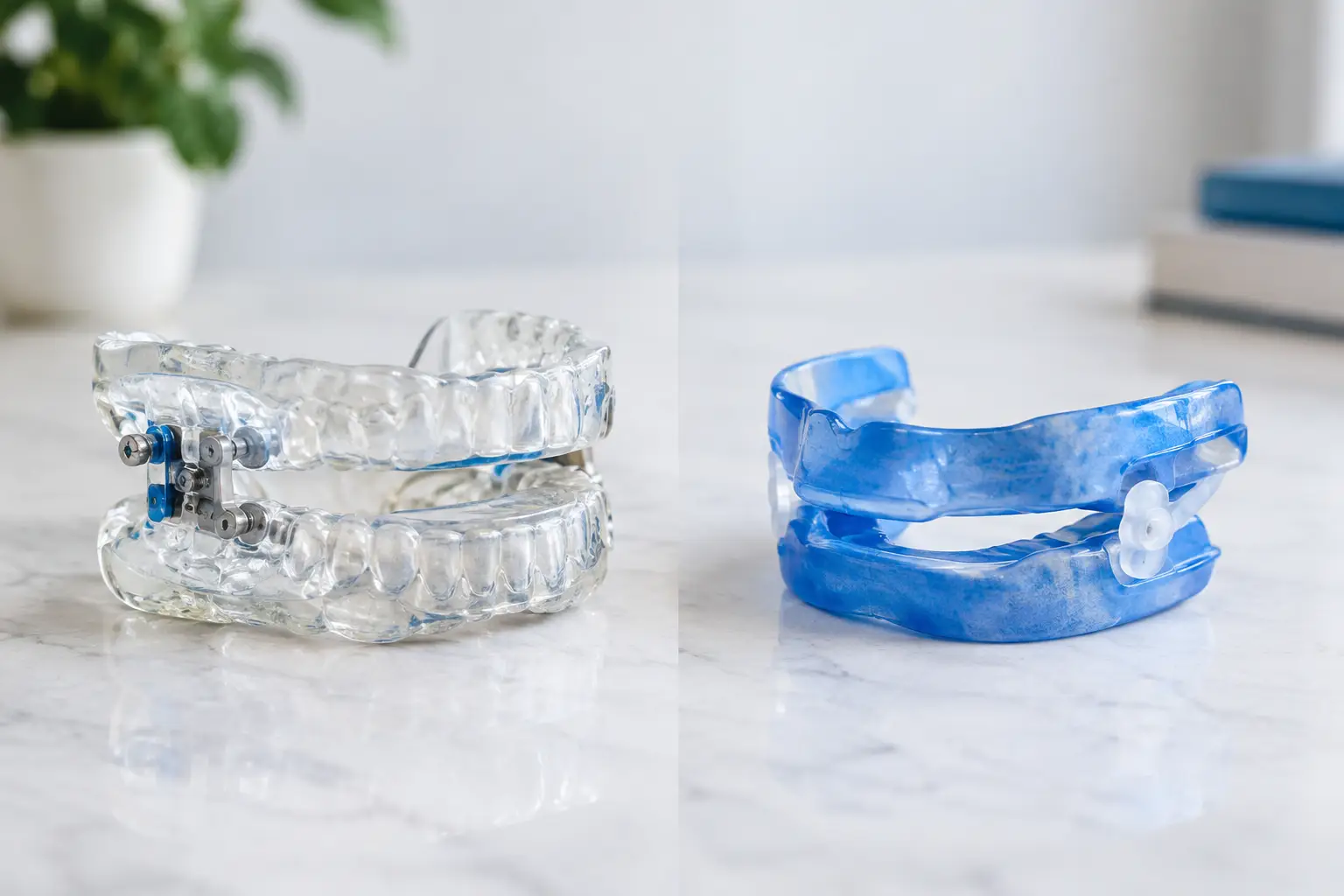
A device that promises quieter nights can look deceptively simple: two plastic trays that hold the lower jaw forward. Yet the difference between custom vs. off-the-shelf mandibular devices can affect more than comfort. It can influence whether you can wear the appliance consistently, whether your teeth and jaw stay healthy, and whether your sleep apnea is being managed appropriately.
For people who snore, wake unrefreshed, or have been diagnosed with obstructive sleep apnea, it is reasonable to want a practical alternative to CPAP. Oral appliance therapy can be an excellent option for the right patient. The key is choosing treatment based on your airway, bite, symptoms, and medical needs - not simply what is easiest to buy.
What mandibular devices are designed to do
Mandibular advancement devices are worn over the teeth while you sleep. They gently position the lower jaw forward, which can help keep the airway more open. For some adults, this reduces snoring and improves mild to moderate obstructive sleep apnea. In certain cases, it may also be used when a patient cannot tolerate CPAP or alongside other sleep treatments.
Not every snoring problem is sleep apnea, and not every person with sleep apnea is a good candidate for an oral appliance. That distinction matters. Obstructive sleep apnea is a medical condition associated with repeated breathing interruptions during sleep, and untreated cases can affect daytime alertness, cardiovascular health, and quality of life.
A sleep physician diagnoses sleep apnea through a sleep evaluation or sleep study. A dentist trained in dental sleep medicine then helps determine whether an oral appliance can be designed safely and effectively for your mouth.
Custom vs. off-the-shelf mandibular devices: the real differences
Off-the-shelf devices are usually sold online or in stores as snoring aids. Many are “boil-and-bite” products that soften in hot water so you can press them around your teeth. They are readily available and typically cost far less upfront than a professionally made appliance.
Custom mandibular devices are made from detailed records of your teeth, bite, jaw movement, and oral health. They are fabricated to fit your mouth precisely and are generally adjustable, allowing the dentist to make small changes to lower-jaw position over time.
The price difference is obvious at first. The clinical difference often becomes clearer after several weeks of use.
Fit and comfort
A poorly fitting device can feel bulky, rub the gums, slip during the night, or make it difficult to keep your lips closed. If it is uncomfortable, many people stop wearing it - even if it seemed like a promising solution on the first night.
A custom appliance is designed around your individual teeth and bite. That close fit can improve retention and comfort, especially for people with dental restorations, missing teeth, a sensitive gag reflex, or an uneven bite. It also allows the device to be made with attention to the condition of the teeth and gums supporting it.
An over-the-counter device may feel acceptable for some users in the short term. But because it is shaped from a general design rather than your individual anatomy, it may create pressure in the wrong places or fit inconsistently. A device that feels “good enough” while you are awake may still shift or strain the jaw over a full night of sleep.
Adjustability and effectiveness
Advancing the lower jaw is not an all-or-nothing adjustment. Moving it too little may not improve breathing enough. Moving it too far, too quickly, can lead to jaw soreness, tooth discomfort, headaches, or bite changes.
Custom sleep appliances are commonly titratable, meaning their position can be adjusted in controlled, incremental steps. This gives your care team a way to balance airway improvement with jaw comfort and dental stability. It also makes it possible to respond when symptoms continue, side effects develop, or follow-up testing shows that further adjustment is needed.
Many off-the-shelf devices offer limited adjustment, and some do not offer meaningful precision at all. That does not mean every retail product is ineffective for every person who snores. It does mean it is not a dependable substitute for monitored sleep apnea treatment, particularly when breathing interruptions have been diagnosed or are suspected.
Dental and jaw protection
Any device that holds the jaw in a new position can affect the teeth, gums, jaw joints, and bite. These effects are often manageable when they are identified early. Without oversight, however, persistent jaw pain, loose-feeling teeth, gum irritation, or a changing bite can go unnoticed.
Before recommending a custom appliance, a dentist evaluates the health and stability of the mouth. Active gum disease, untreated decay, significant jaw-joint symptoms, loose teeth, or certain bite patterns may need care before or alongside oral appliance therapy. This is particularly important for patients with crowns, bridges, implants, dentures, or complex restorative work.
Follow-up visits are part of treatment, not an optional extra. Your dentist can assess fit, make adjustments, check your bite, and provide strategies to help your jaw return to its usual position in the morning. A custom appliance is not only a device. It is a treatment plan with ongoing care behind it.
When an off-the-shelf device may have a limited role
A retail device may be considered by someone with occasional, uncomplicated snoring who has no concerning symptoms and wants to learn whether holding the jaw forward feels tolerable. Even then, it should be used thoughtfully and stopped if it causes pain, dental pressure, or bite changes.
It is not the right place to start if you have been diagnosed with moderate or severe sleep apnea, experience loud habitual snoring with gasping or choking, wake with headaches, struggle with excessive daytime sleepiness, or have high blood pressure or heart-related concerns. Those symptoms deserve a medical sleep evaluation rather than trial-and-error treatment.
A low upfront price can be appealing, especially when sleep has already become frustrating. But repeated purchases of uncomfortable devices, missed diagnosis, and untreated apnea can carry their own costs. The best value is the approach that addresses both your symptoms and your long-term health.
What professional oral appliance therapy includes
Custom treatment begins with a conversation about your sleep, health history, symptoms, and prior experience with CPAP or snoring devices. Your dentist reviews the condition of your teeth, gums, bite, and jaw joints, then works in coordination with your sleep physician when sleep apnea is part of the picture.
The appliance is made specifically for you and adjusted gradually. After you have adapted to it, follow-up sleep testing may be recommended to confirm that treatment is improving breathing during sleep. This step is especially valuable because less snoring does not automatically mean sleep apnea has been fully controlled.
At Seattle Oral Care, oral appliance therapy is provided by an AADSM-certified prosthodontist, with close attention to both airway goals and the health of the teeth supporting your appliance. That combination matters when your smile already includes restorations or when you want a solution built for long-term use.
Questions to ask before choosing a device
Before purchasing any mandibular device, ask whether your snoring has been evaluated for sleep apnea, whether the appliance can be adjusted precisely, and what follow-up is available if your jaw or bite changes. Also ask how the device will work with crowns, implants, bridges, or other dental treatment.
A reputable treatment recommendation should leave room for your preferences. Some people do very well with CPAP and prefer it. Others benefit from a custom oral appliance, either as their primary therapy or for travel. In more complex cases, a combined approach may make the most sense.
Better sleep should not require you to guess about your breathing or tolerate avoidable discomfort. A thoughtful evaluation can help you choose an option that feels manageable at night and supports your health long after morning comes.