
At 11:30 p.m., the day is finally quiet, but your mind is still reviewing tomorrow’s meetings, the laundry, and the conversation you wish you had handled differently. If you are asking, “how can i fall asleep faster,” the answer is rarely one perfect trick. It is usually a combination of a calmer pre-bed routine, habits that support your natural sleep drive, and attention to health issues that may be disrupting your rest.
A difficult night now and then is common. But if falling asleep takes a long time most nights, or you wake up feeling unrefreshed despite enough time in bed, it is worth looking beyond the bedroom temperature or your pillow. Snoring, interrupted breathing, jaw tension, pain, medication, stress, and an inconsistent schedule can all play a role.
How can I fall asleep faster tonight?
Start by lowering the pressure to sleep. Trying to force sleep often makes your body more alert. Instead, give yourself a short transition period that signals the day is ending. Dim the lights, put away work, and choose one quiet activity such as reading a few pages of a book, listening to calm music, or taking a warm shower.
Keep this routine simple enough to repeat. A complicated checklist can become another source of stress. The goal is not to create a “perfect” bedtime. It is to help your brain recognize a familiar pattern: these actions mean it is safe to slow down.
If you have been awake in bed for what feels like 20 minutes or more, get up briefly. Sit somewhere with low light and do something restful that does not involve a phone, email, or bright screen. Return to bed when you feel sleepy again. This can help prevent your bed from becoming associated with frustration and clock-watching.
Use light and timing to your advantage
Your body clock responds strongly to light. Morning daylight helps set that clock, which can make it easier to feel sleepy at a consistent time later that night. Even a short walk outside early in the day can be useful, especially during Seattle’s darker months.
At night, bright light has the opposite effect. Phones, tablets, televisions, and overhead lighting can keep the brain in a more alert state, particularly when the content is stimulating. You do not have to ban every screen forever. Try setting a realistic cutoff, such as 30 to 60 minutes before bed, and use that time for a quieter routine instead.
A regular wake-up time matters as much as a regular bedtime. Sleeping far later on weekends may feel restorative after a busy week, but it can make Sunday night harder. If you need extra rest, a modest adjustment is usually easier on your schedule than a major swing.
Be thoughtful about caffeine, alcohol, and naps
Caffeine can linger longer than many people expect. A late-afternoon coffee, energy drink, or large tea may be enough to delay sleep, even if you do not feel obviously wired. Consider moving caffeine earlier in the day for a week and noticing whether your sleep changes.
Alcohol can make some people feel sleepy at first, but it often fragments sleep later in the night. It may also worsen snoring and obstructive sleep apnea by relaxing the tissues of the airway. If you drink in the evening, reducing the amount or finishing earlier may improve sleep quality.
Naps are not automatically a problem. For some people, especially shift workers or those recovering from illness, they are helpful. But long or late naps can reduce the natural sleep pressure that builds throughout the day. If nighttime sleep is difficult, try keeping naps short and earlier in the afternoon.
Make the bedroom easier to sleep in
A cool, dark, quiet room works well for many adults. Small changes can make a meaningful difference: blackout curtains if early sun wakes you, a fan for steady background sound, or a slightly cooler thermostat. Comfort matters, but chasing a flawless sleep setup can become expensive and distracting. Start with the changes most likely to affect you.
Your mattress and pillow should support your body without causing pain or frequent repositioning. If you wake with neck pain, headaches, jaw soreness, or shoulder discomfort, your sleep position and pillow height may be worth reconsidering. Side sleeping can be especially helpful for people who snore or have mild breathing obstruction when lying on their back.
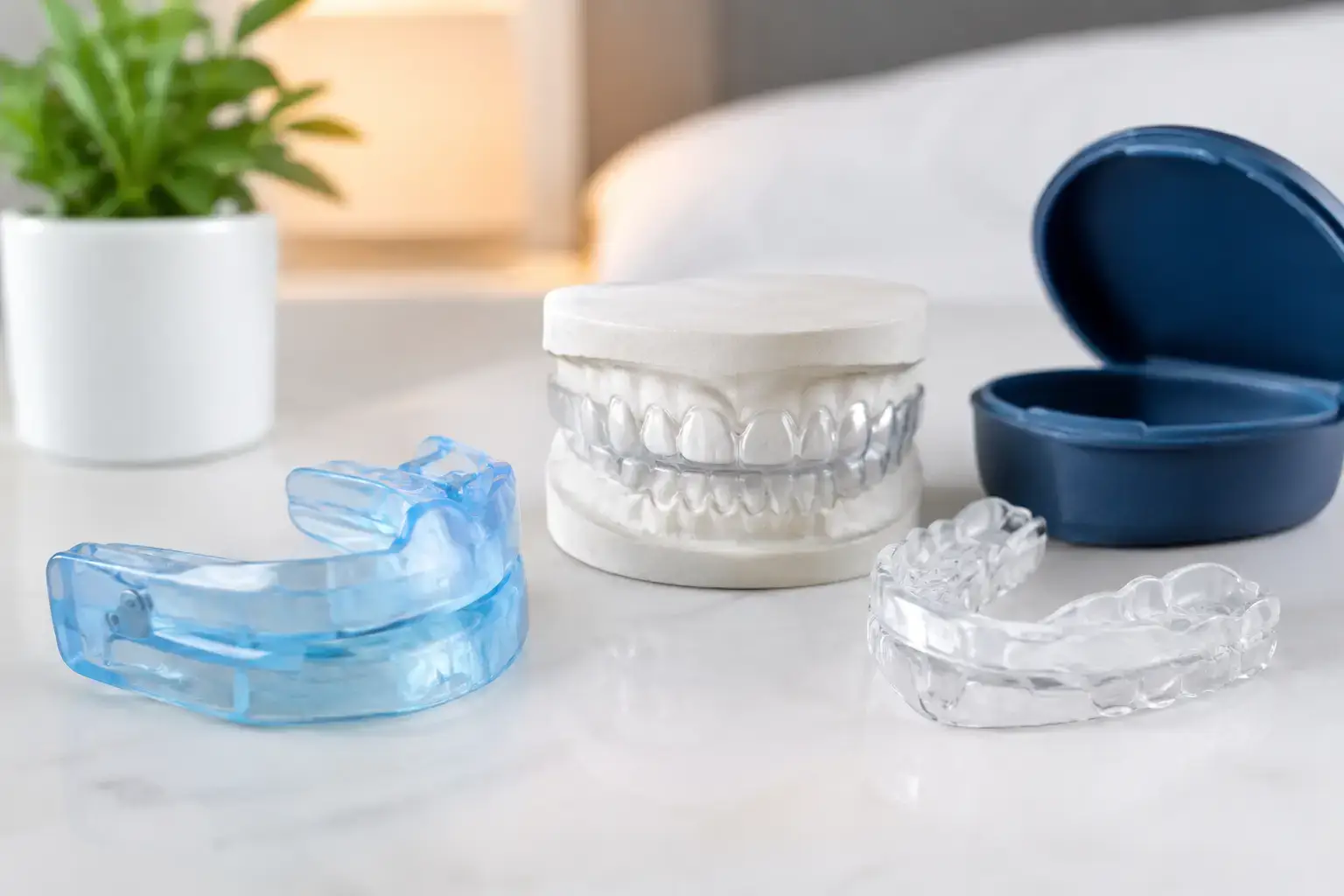
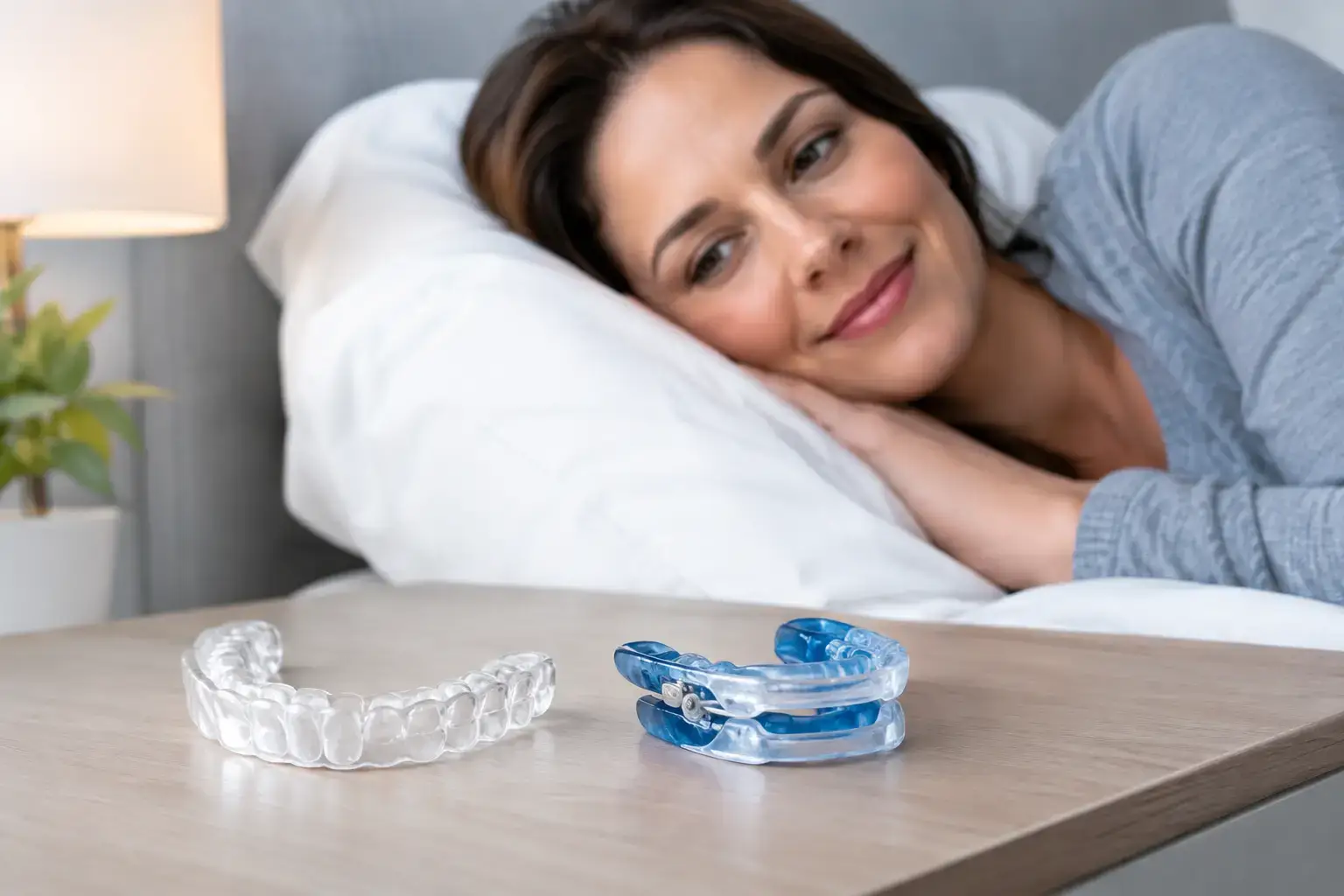
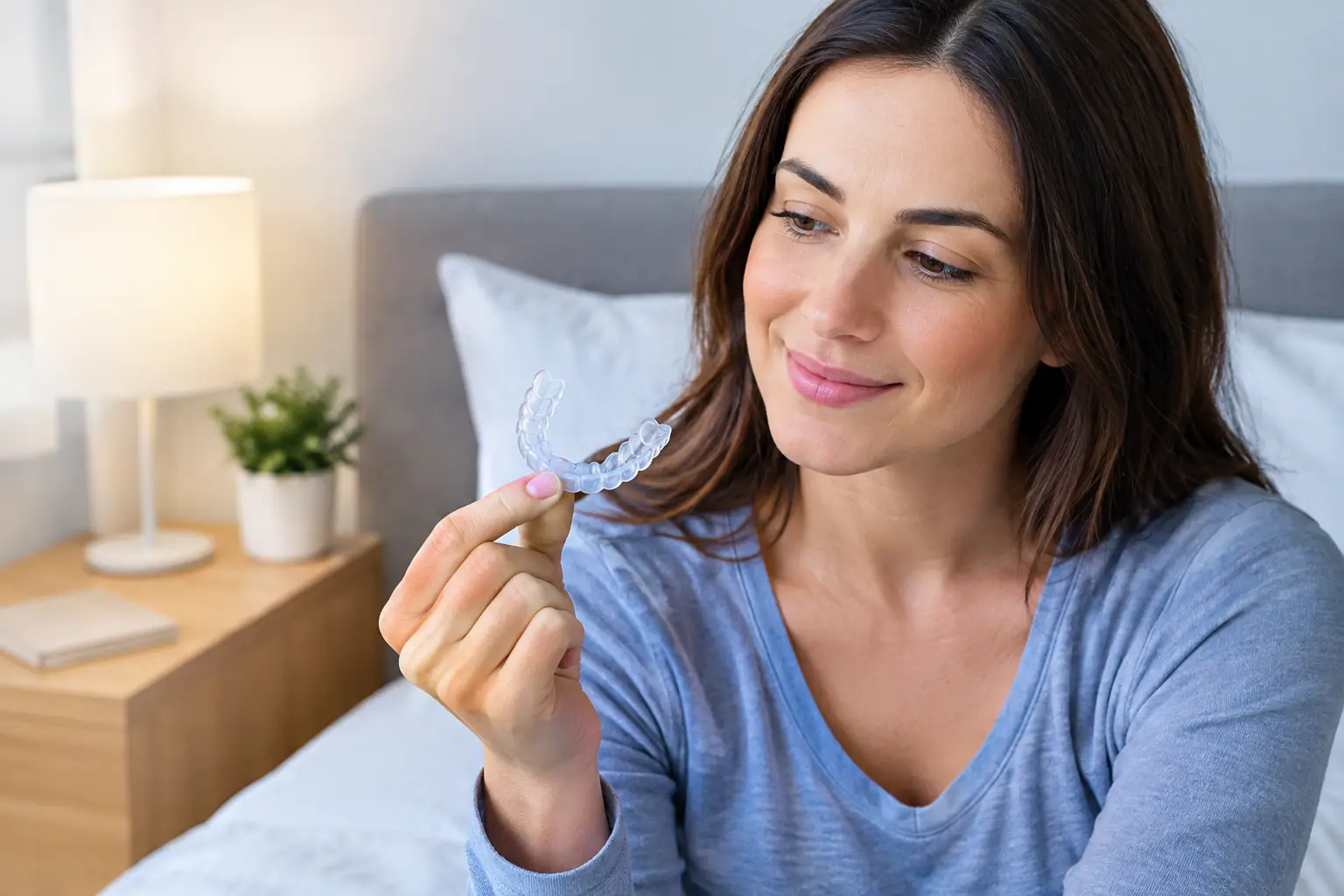
Do not overlook physical discomfort from your mouth or jaw. Teeth grinding and clenching can contribute to morning headaches, facial soreness, worn teeth, and disrupted rest. A custom night guard may protect teeth for some patients, but it is not the same as treatment for sleep apnea. A thorough evaluation helps determine what is happening before selecting an appliance.
When trouble sleeping may be a breathing issue
Falling asleep quickly is not the only measure of healthy sleep. Someone with obstructive sleep apnea may fall asleep easily because they are exhausted, yet repeatedly wake in small, often unremembered bursts due to a narrowed or blocked airway. The result can be daytime fatigue, trouble concentrating, irritability, morning headaches, dry mouth, and a feeling that sleep never quite restores them.
Loud, frequent snoring is a common sign, but not everyone who snores has sleep apnea, and not everyone with sleep apnea snores loudly. Other warning signs include gasping or choking during sleep, witnessed pauses in breathing, high blood pressure, waking to urinate often, or excessive daytime sleepiness. A bed partner may notice patterns that the sleeper does not.
If these symptoms sound familiar, do not assume you simply need better sleep hygiene. A medical sleep evaluation can identify whether sleep apnea or another sleep disorder is present. Treatment may include CPAP, lifestyle changes, positional therapy, or a custom oral appliance that gently supports the jaw and airway during sleep. The right option depends on the diagnosis, severity, anatomy, medical history, and personal comfort.
For patients with qualifying obstructive sleep apnea who struggle with CPAP or prefer an alternative when appropriate, oral appliance therapy can be a practical option. An appliance should be custom fitted and monitored by a qualified dental sleep medicine provider, because fit, jaw comfort, tooth movement, and treatment effectiveness all need attention over time.
Calm a racing mind without fighting it
Stress does not switch off on command. When thoughts speed up at bedtime, it can help to give them a place to go before your head hits the pillow. Spend five minutes writing down tomorrow’s tasks, concerns, or reminders. You are not solving them all. You are letting your brain know they have been recorded.
Slow breathing can also reduce the sense of urgency that keeps the body alert. Try breathing in gently, then making the exhale a little longer than the inhale for several cycles. Keep it comfortable rather than forcing deep breaths. Progressive muscle relaxation, where you briefly tense and release one muscle group at a time, can be useful if your body feels restless or clenched.
If anxiety, sadness, trauma, or persistent worry is regularly interfering with sleep, professional mental health support can be an important part of treatment. Sleep habits are valuable, but they should not be presented as a cure for every cause of insomnia.
Know when to ask for help
Consider speaking with a healthcare professional if sleep difficulty lasts for several weeks, affects your daytime function, or comes with loud snoring, gasping, headaches, jaw pain, or excessive fatigue. It is also wise to seek guidance before relying on sleep aids, particularly if you take other medications or have medical conditions.
At Seattle Oral Care, sleep-focused oral healthcare begins with listening carefully to your symptoms, concerns, and goals. For patients whose sleep is affected by snoring or diagnosed obstructive sleep apnea, a personalized conversation can clarify whether an oral appliance belongs in their care plan.
Tonight, choose one small change you can repeat tomorrow: step outside for morning light, move caffeine earlier, silence the phone before bed, or pay attention to whether snoring and fatigue are telling you something more. Better sleep often begins with that kind of steady, compassionate attention.