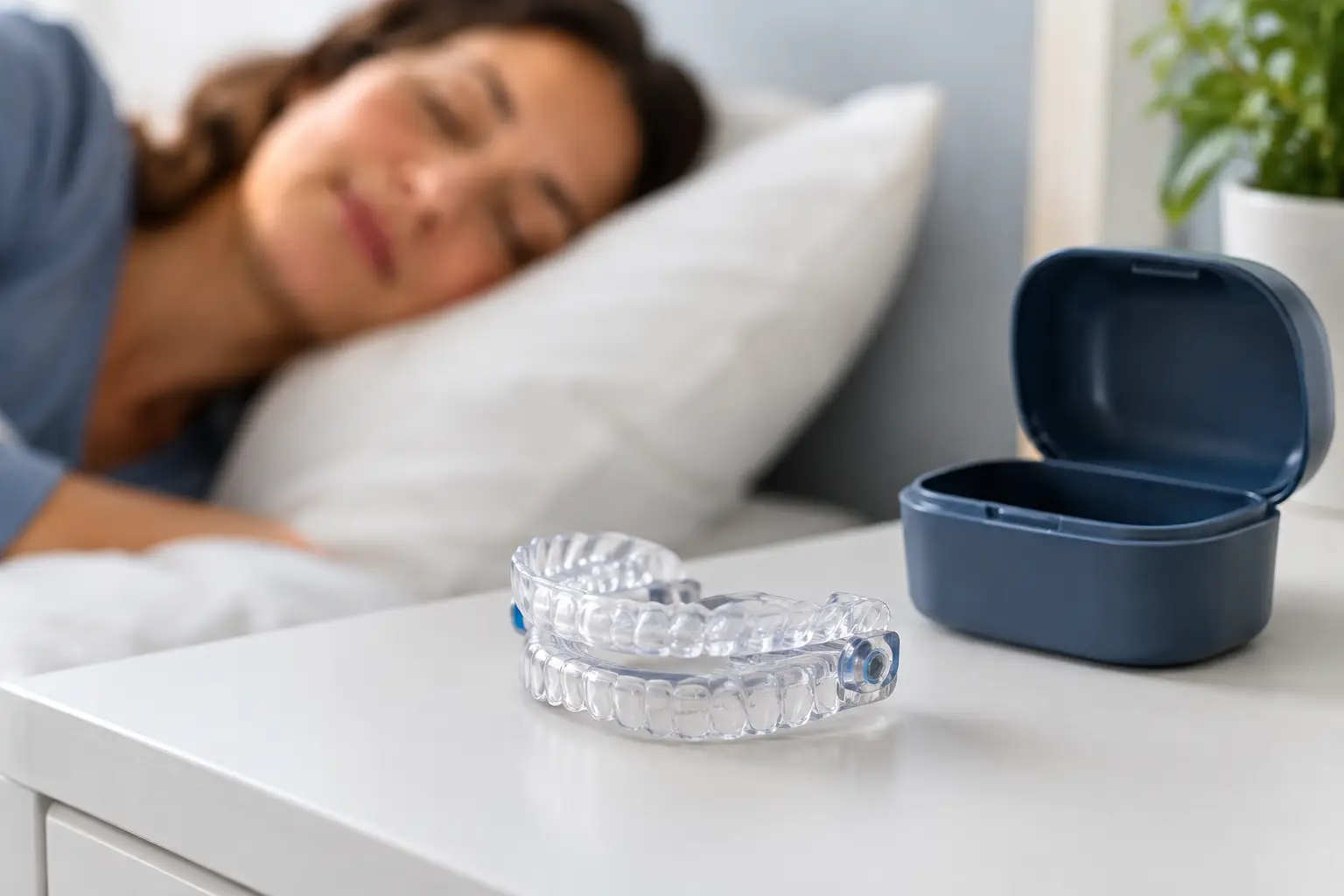
Your oral appliance may look nearly the same as the day you received it, but years of nightly pressure, saliva, teeth grinding, and normal changes in your bite can quietly affect how it performs. If you are a long-term wearer wondering when to replace the device, the right answer depends on its condition, fit, and whether it is still helping keep your airway open.
For most people, a custom sleep apnea mouthpiece lasts about three to five years. Some appliances last longer with careful use and routine monitoring. Others need replacement sooner because of damage, a changing bite, substantial dental work, or persistent symptoms. The goal is not simply to keep an appliance until it breaks. It is to make sure your treatment remains comfortable, safe, and effective.
How long does a sleep apnea oral appliance last?
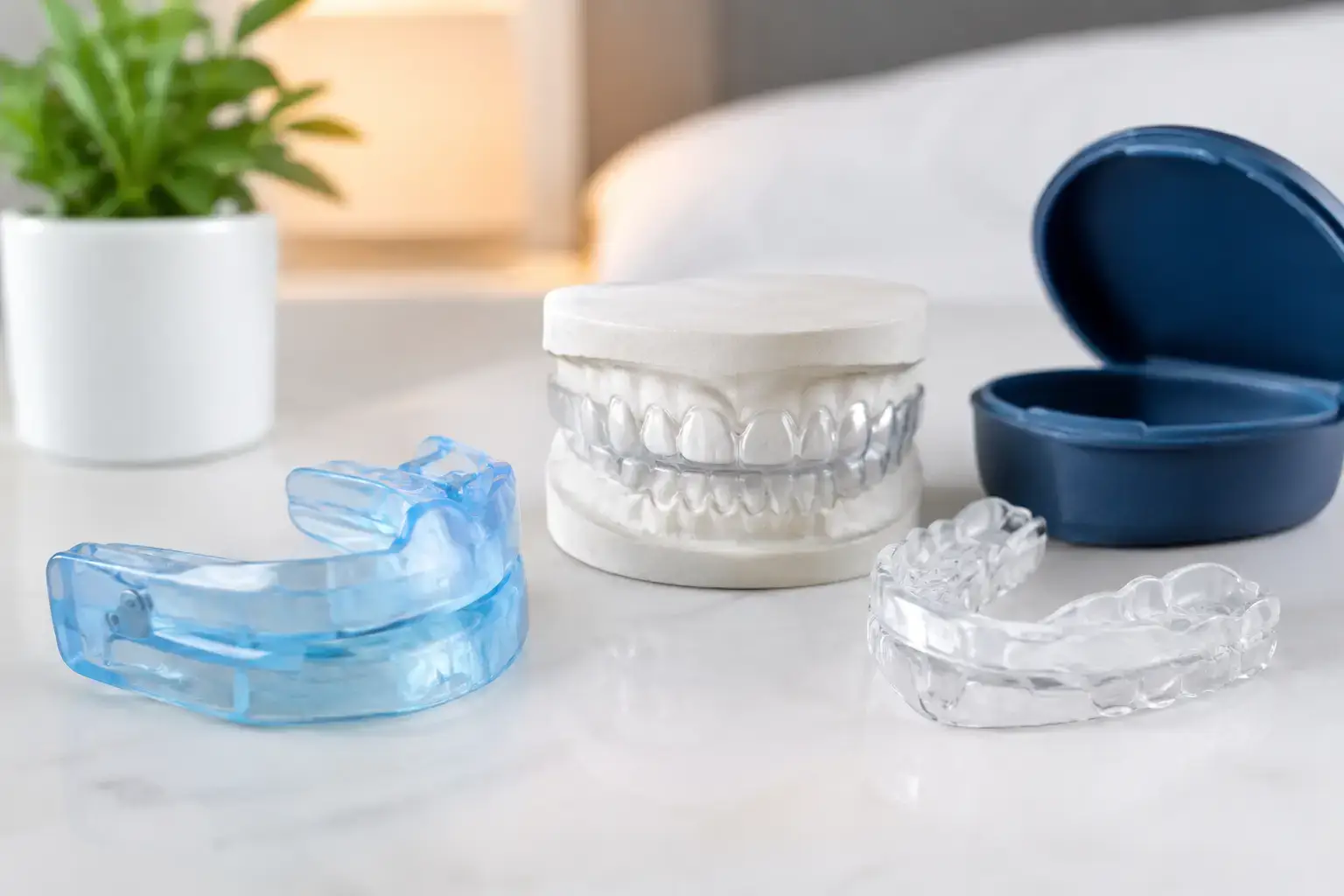
A professionally made oral appliance for obstructive sleep apnea is designed for nightly use, so it is built from far more durable materials than an over-the-counter night guard. Still, it is not permanent. The acrylic, connectors, hinges, elastic components, and adjustment mechanisms all experience repeated force as your jaw moves and your teeth meet the appliance.
Three to five years is a useful average for oral appliance lifespan, but it is not a deadline. A person with stable teeth, a gentle bite, and consistent follow-up may wear the same appliance comfortably for longer. Someone who clenches or grinds heavily, has restorative dental treatment, or experiences frequent appliance adjustments may need a new device earlier.
The appliance should be evaluated at regular dental sleep medicine visits, even if it feels fine. Those visits allow your provider to inspect the device, review your symptoms, check your teeth and jaw joints, and confirm that the appliance still fits correctly. An oral appliance that appears intact can still become less effective if it no longer advances the jaw as prescribed or if changes in the teeth alter its fit.
Signs it may be time to replace a sleep apnea mouthpiece
Cracks, chips, worn edges, loose hardware, and broken straps or connectors are clear reasons to call your dentist. Do not try to glue or reshape a prescription oral appliance at home. A repair that seems minor can change the appliance's fit or adjustment position, which may affect both comfort and airway support.
Fit changes deserve the same attention. Your appliance should seat fully and securely over your teeth without excessive force. If it suddenly feels loose, rocks on one side, no longer fits over a crown, or causes a new pressure point, schedule an evaluation. Teeth can shift gradually over time, and dental work such as crowns, fillings, implants, bridges, or orthodontic treatment can make an older appliance inaccurate.
Your sleep and daytime symptoms also matter. Recurring loud snoring, waking up gasping, morning headaches, dry mouth, daytime sleepiness, or a partner noticing pauses in breathing may indicate that your therapy needs review. These symptoms do not automatically mean the appliance has failed. Weight changes, nasal congestion, medication changes, sleep position, and progression of sleep apnea can all play a role. But they are a good reason not to wait until the device visibly breaks.
Jaw discomfort is another signal worth discussing. Mild temporary soreness can occur when an appliance is adjusted, but ongoing jaw pain, clicking, muscle fatigue, or a bite that does not return to normal after removing the appliance should be evaluated. Your provider may be able to adjust the device, recommend exercises, or determine that a replacement or a different appliance design is appropriate.
What shortens an oral appliance lifespan?
Nightly use is expected, not a problem. The factors that most often shorten an appliance's life are heavy clenching or grinding, inconsistent cleaning, heat exposure, and changes in the mouth. Bruxism can wear down hard acrylic and place stress on mechanical parts. If you wake with jaw tension or your dentist sees signs of grinding, your appliance may need more frequent inspection.
Cleaning matters because buildup can affect both hygiene and the materials. Rinse the appliance after use, clean it as directed with a soft brush and an appropriate cleanser, and allow it to dry in its ventilated case. Avoid hot water, dishwashers, and leaving it in a hot car. Heat can warp the appliance, and even a small distortion can make a carefully fitted device uncomfortable or ineffective.
Dental changes are often the least obvious factor. A new crown, filling, implant restoration, extraction, or tooth movement can change the shape of your bite enough that a device no longer seats properly. Let your sleep dentist know before significant dental treatment whenever possible. Coordinated planning helps protect both your dental work and your sleep apnea therapy.
Replacement is also a chance to reassess treatment
A replacement appointment should not be treated as a simple product swap. Obstructive sleep apnea is a medical condition, and your needs can change over time. Before making a new appliance, your dental sleep provider may review your original sleep study, current symptoms, medical history, dental health, and comfort with the existing design.
In some situations, your physician may recommend follow-up sleep testing after a new appliance is fitted or adjusted. This helps confirm that the device is reducing breathing events as intended. It is especially valuable when symptoms have returned, your health has changed, or it has been years since your treatment was last assessed.
For patients who cannot tolerate CPAP or who use oral appliance therapy as part of a combined treatment plan, this reassessment can be reassuring. You deserve to know that the treatment you rely on each night is still working for you, not merely that it still fits in its case.
How to help your oral appliance last longer
Wear your appliance exactly as prescribed and store it in its protective case whenever it is not in use. Clean it daily, inspect it briefly for cracks or loose components, and bring it to your regular dental visits. If your appliance has adjustable hardware, make only the changes recommended by your provider and keep track of the setting that feels effective and comfortable.
It also helps to protect the health of the teeth supporting the appliance. Regular exams and cleanings allow small cavities, gum inflammation, worn restorations, and bite changes to be addressed before they interfere with fit. If you notice a broken tooth, a loose crown, or a new implant restoration, do not force the appliance into place.
At Seattle Oral Care, oral appliance therapy is planned with attention to both sleep health and the long-term condition of your teeth, bite, and jaw. An AADSM-certified prosthodontist can evaluate whether your current device can be adjusted or repaired, or whether a replacement is the safer choice.
Do not wait for a complete break
Many people wait until their mouthpiece splits or becomes unusable before scheduling a visit. That can leave them without effective therapy for days or weeks while a replacement is made. If your appliance is nearing the three-to-five-year range, showing wear, or no longer feeling quite right, a proactive evaluation gives you more options and fewer interruptions.
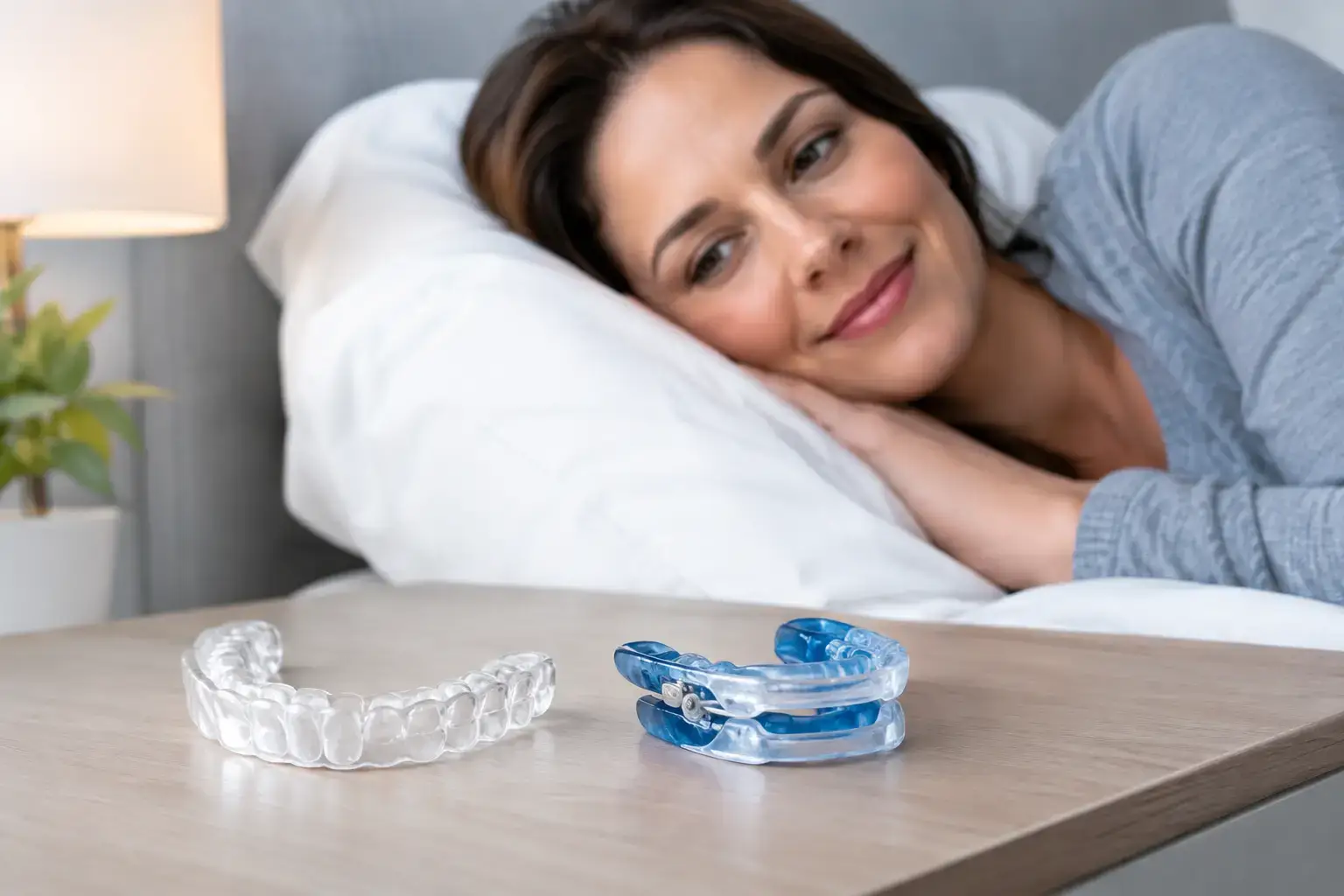
A well-made oral appliance is an investment in better sleep, steadier energy, and long-term health. Keeping it monitored is one of the simplest ways to make sure it continues to earn that place on your nightstand.