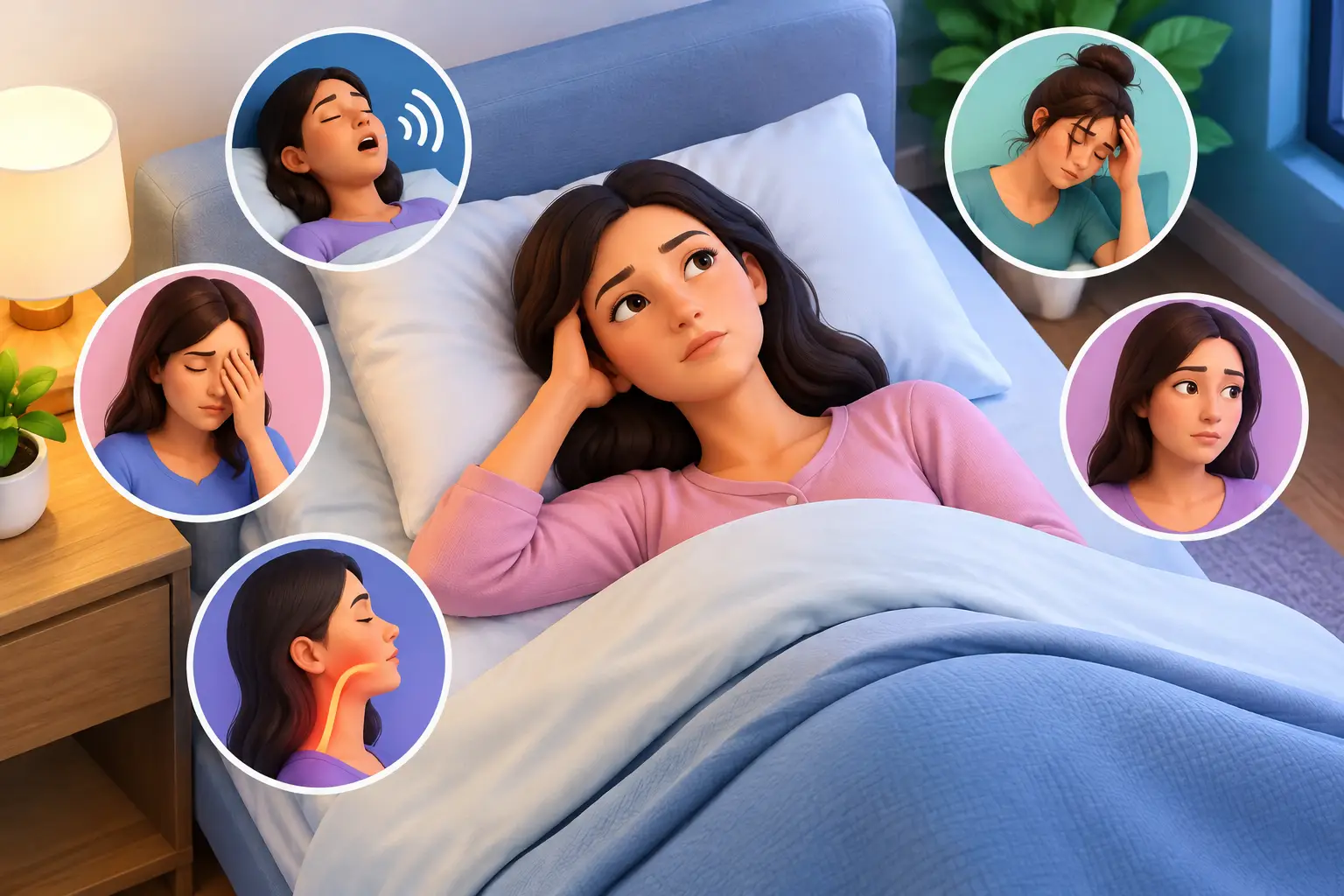
A woman can sleep for eight hours, wake up exhausted, and still wonder whether stress, hormones, or a busy schedule are to blame. Sometimes they are. But the signs of sleep apnea in women can be easier to miss because they do not always look like the loud snoring and obvious breathing pauses many people associate with the condition.
Obstructive sleep apnea happens when the airway repeatedly narrows or closes during sleep. The brain briefly wakes the body to restore breathing, often so quickly that the person does not remember it. The result can be fragmented sleep, lower-quality rest, and a growing sense that sleep is not doing its job.
For a woman waking exhausted and unsure whether it is sleep apnea, the answer starts with looking beyond snoring alone. Persistent fatigue deserves a thoughtful conversation and, when appropriate, a professional sleep evaluation.
Why sleep apnea symptoms in women may look different
Sleep apnea affects people of all genders, but women are more likely to describe the consequences of disrupted sleep rather than the breathing events themselves. A bed partner may not notice gasping or pauses in breathing. Some women snore softly, intermittently, or only in certain sleep positions.
Instead, they may report difficulty falling asleep, waking frequently, morning headaches, low mood, irritability, or trouble concentrating. These atypical sleep apnea symptoms can resemble anxiety, depression, insomnia, thyroid concerns, caregiving burnout, or the normal strain of a full schedule. That overlap can delay recognition.
Hormonal changes can also influence risk. Sleep apnea becomes more common after menopause, when changes in hormone levels may affect airway muscle tone and body-fat distribution. Pregnancy can bring temporary breathing changes as well, particularly when weight gain, nasal congestion, or high blood pressure are present. Age, family history, alcohol use near bedtime, certain medications, and anatomy of the jaw or airway can matter, too.
None of these factors confirms sleep apnea. They simply make it worth asking better questions when poor sleep has become a pattern.
Signs of sleep apnea in women
The most familiar sign is snoring, especially snoring that is loud, frequent, or interrupted by choking, snorting, or gasping. But many women with obstructive sleep apnea do not identify snoring as their main concern. Their daytime symptoms may feel more disruptive.
Common signs include waking unrefreshed even after what seems like enough time in bed, feeling unusually sleepy during quiet activities, and relying on caffeine to get through the day. Some people wake with a dry mouth, sore throat, or dull morning headache. Others notice frequent nighttime urination, sweating, restless sleep, or waking with a racing heart.
Cognitive and emotional changes can be meaningful as well. Trouble focusing, forgetfulness, reduced patience, and mood changes are not proof of sleep apnea, but they can reflect poor-quality sleep. When these symptoms arrive alongside snoring, frequent awakenings, or a partner's observation of breathing pauses, the pattern becomes more concerning.
Jaw clenching and teeth grinding may also appear during disrupted sleep. They have many possible causes, so they should not be used to diagnose sleep apnea. Still, a dental exam can sometimes reveal wear patterns, jaw soreness, or other oral health concerns that support a broader conversation about sleep and breathing.
Sleep apnea symptoms: women vs. men
There is no single rule for how sleep apnea presents. Men and women can experience the same core symptoms, including snoring, witnessed pauses in breathing, gasping, and daytime sleepiness. The difference is often in what gets noticed, reported, and taken seriously.
Men are more commonly associated with loud habitual snoring and visible breathing interruptions. Women may be more likely to report insomnia-like symptoms, fatigue, headaches, low energy, anxiety, depression, or feeling mentally foggy. Some women explain their sleep as “light” or say they wake repeatedly without knowing why.
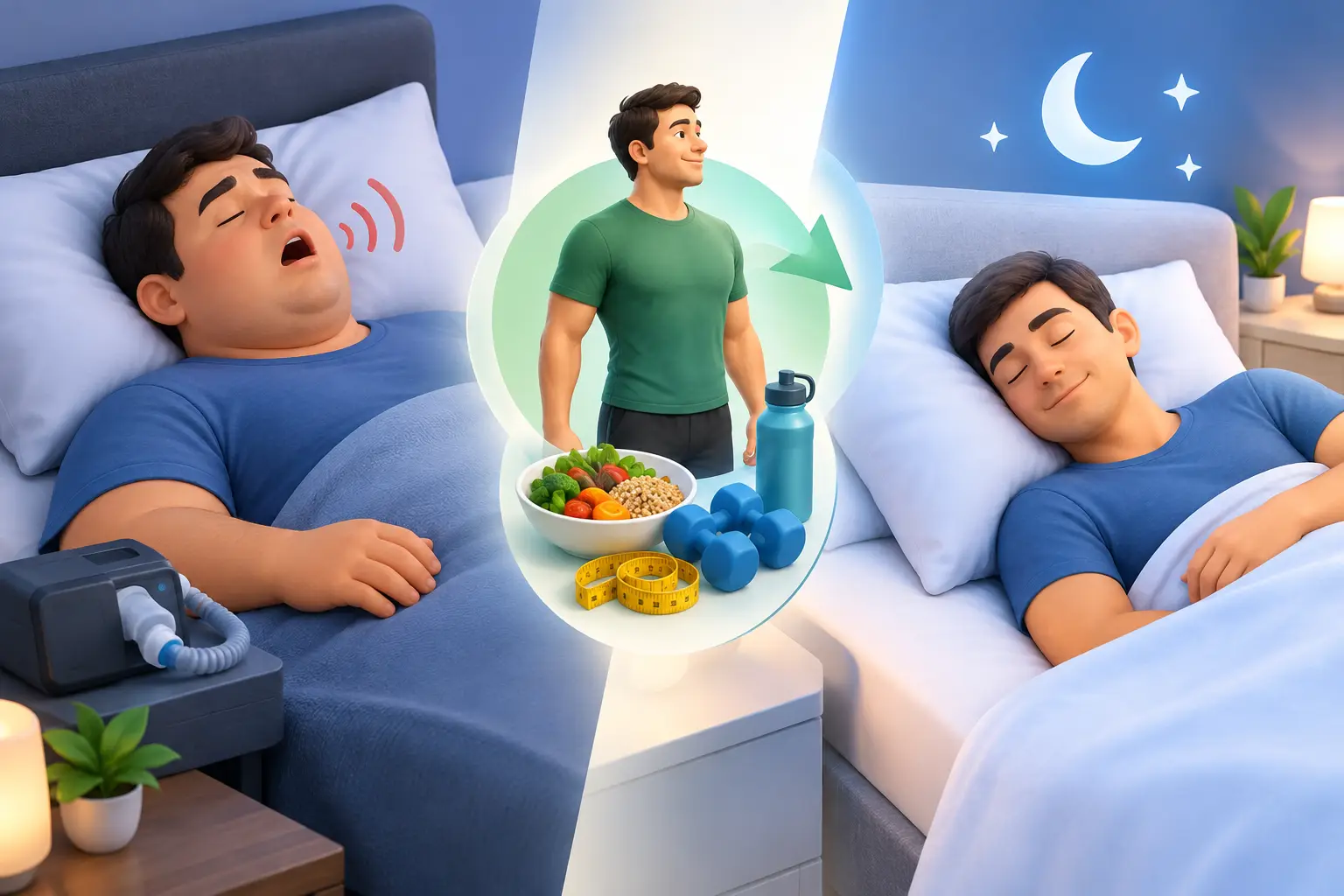
Body size should not be used as a shortcut, either. Excess weight can increase sleep apnea risk, but people in smaller bodies can have obstructive sleep apnea because of airway anatomy, nasal obstruction, jaw position, or other factors. Assuming sleep apnea only affects older men with larger bodies leaves too many people without answers.
The practical takeaway is simple: if you are consistently tired, sleeping poorly, or struggling with daytime alertness, do not dismiss the possibility because you do not fit a stereotype.
When fatigue may be a reason to seek testing
Occasional tiredness is part of life. A late night, illness, travel, or a stressful season can disrupt sleep for a while. The concern is fatigue that lasts, interferes with work or relationships, or continues despite giving yourself a reasonable opportunity to sleep.
Consider discussing sleep apnea testing with a medical provider if you snore regularly; wake up choking or gasping; have been told you stop breathing in sleep; or regularly wake with headaches, dry mouth, or unrefreshing sleep. It is also reasonable to ask when fatigue is paired with high blood pressure, atrial fibrillation, type 2 diabetes, or a history of stroke, because these conditions can overlap with untreated sleep apnea.
Do not wait for a routine appointment if sleepiness makes driving or operating equipment unsafe. Severe daytime drowsiness needs prompt attention.
A sleep physician or qualified medical provider can determine whether a home sleep test or an overnight sleep study is appropriate. Home testing can be convenient for many adults with a strong likelihood of obstructive sleep apnea. An in-lab study may be more useful when symptoms are less clear, when another sleep disorder is suspected, or when medical conditions call for a more detailed assessment.
What happens after a sleep apnea diagnosis
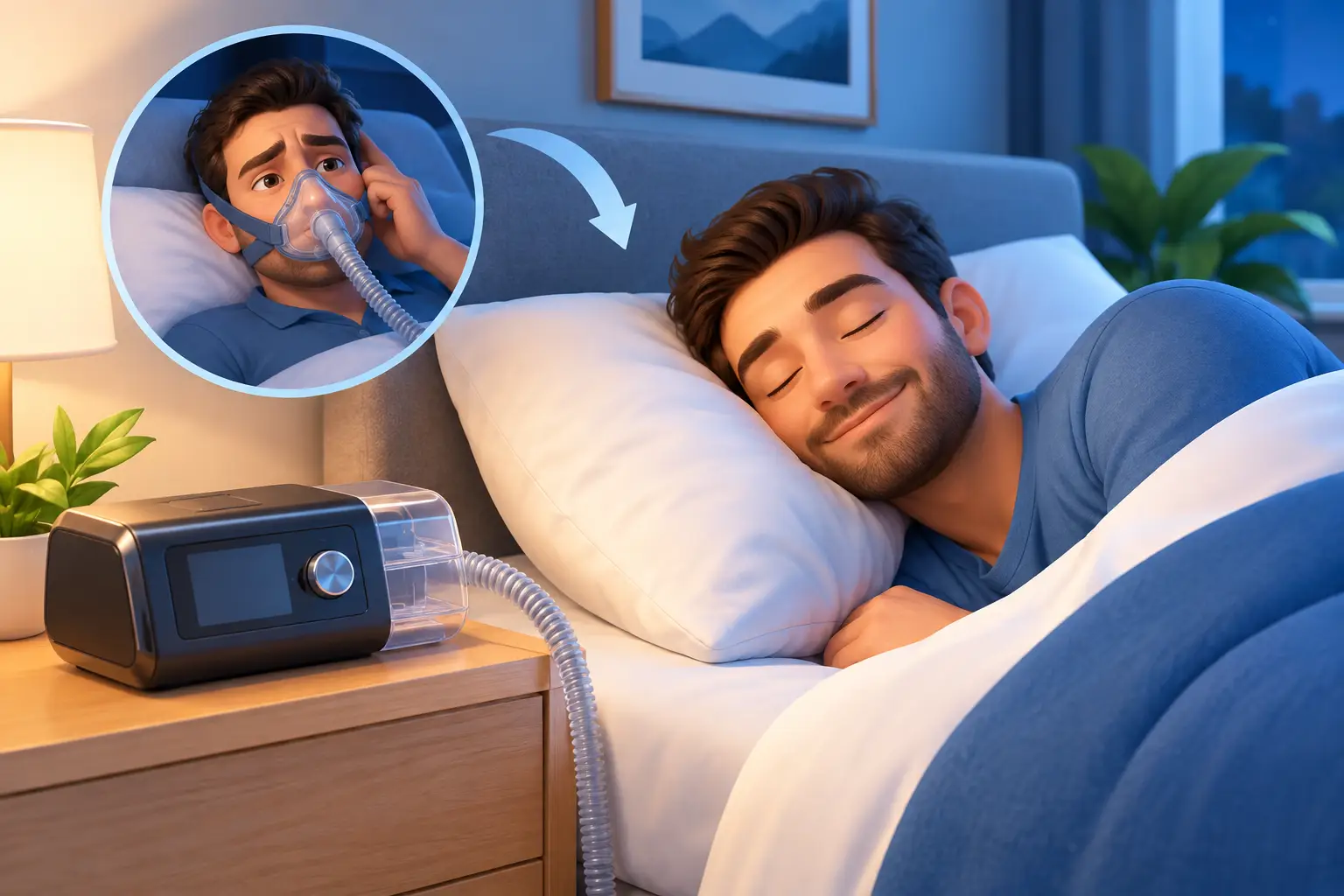
Treatment should fit the severity of the condition, your health history, and what you can use consistently. CPAP therapy is a highly effective option for many people, particularly those with moderate to severe obstructive sleep apnea. It uses gentle air pressure to help keep the airway open during sleep.
For some patients, a custom oral appliance is another evidence-based option. This small, adjustable device is worn at night and gently supports the lower jaw in a forward position to help maintain an open airway. It is different from a store-bought night guard and should be made and adjusted by a dentist trained in dental sleep medicine, working in coordination with the diagnosing medical provider.
Oral appliance therapy may be considered for mild to moderate obstructive sleep apnea, for people who cannot tolerate CPAP, or for certain patients who prefer an alternative after an informed discussion of benefits and limits. Follow-up matters. The appliance must be monitored for comfort, bite changes, jaw symptoms, and treatment effectiveness.
At Seattle Oral Care, an AADSM-certified prosthodontist can help patients explore custom oral appliance therapy after appropriate diagnosis, with careful attention to both breathing and long-term dental health.
Give persistent exhaustion the attention it deserves
Feeling tired is easy to normalize, especially when work, family, and responsibilities leave little room to slow down. But waking exhausted day after day is not a personal failure and not something you simply have to accept. A clear evaluation can replace uncertainty with a practical next step toward more restorative sleep.