
Waking up tired after a full night in bed, falling asleep during quiet moments, or hearing repeated concerns about loud snoring can be more than frustrating. A sleep apnea dental consultation helps determine whether a custom oral appliance could be part of a safe, effective plan for better breathing and better rest.
For many people, the prospect of sleep apnea treatment brings up questions: Do I have to use CPAP? Can a dentist help with a medical condition? Will an appliance be comfortable? The answers depend on your diagnosis, airway needs, medical history, and the health of your teeth and jaw. A thoughtful consultation is designed to replace uncertainty with clear next steps.
Why a dental consultation matters for sleep apnea
Obstructive sleep apnea occurs when tissues in the throat relax during sleep and repeatedly block or narrow the airway. These interruptions can lower oxygen levels and fragment sleep, even when you do not remember waking up. Common signs include loud snoring, gasping or choking at night, morning headaches, dry mouth, daytime fatigue, and difficulty concentrating.
A dentist does not diagnose sleep apnea based on snoring alone. Diagnosis requires a sleep study ordered or interpreted by a qualified medical provider. However, a dentist with training in dental sleep medicine can evaluate whether oral appliance therapy is appropriate after you have been diagnosed with obstructive sleep apnea.
This collaboration matters because treatment should support both your breathing and your long-term oral health. A properly made appliance is not an over-the-counter mouthguard. It is a custom medical device designed to gently hold the lower jaw forward during sleep, helping keep the airway more open.
What to expect at a sleep apnea dental consultation
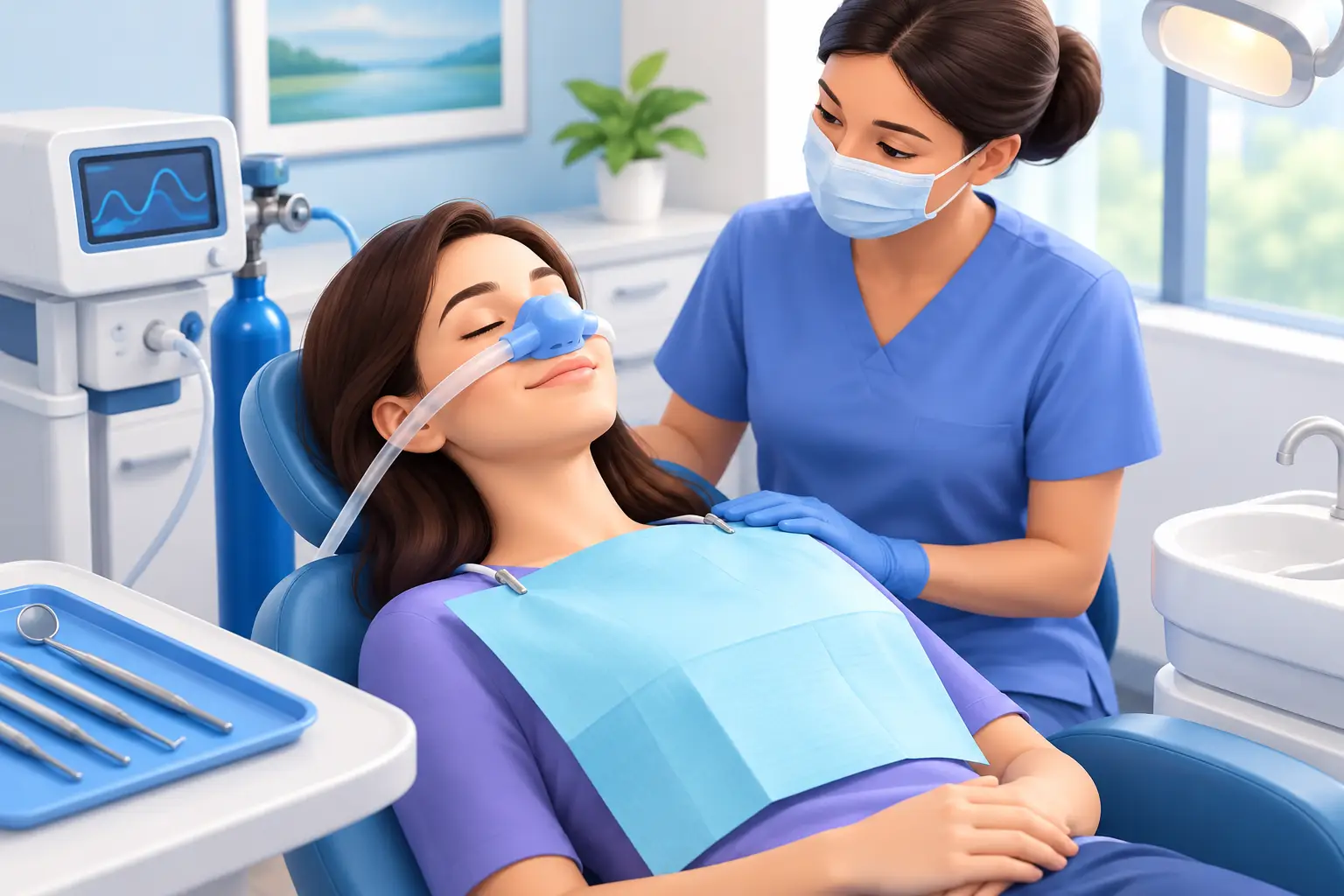
The appointment should feel like a conversation, not a sales pitch. Your care team will want to understand what sleep has been like for you, what treatments you have tried, and what may be making consistent treatment difficult.
A review of your sleep diagnosis and health history
Bring a copy of your sleep study, if available, along with information about your physician, sleep specialist, and current treatment. The severity and type of sleep apnea are central to treatment planning. Oral appliance therapy is commonly considered for mild to moderate obstructive sleep apnea, or for patients with severe obstructive sleep apnea who cannot tolerate CPAP or prefer an alternative after discussing options with their sleep physician.
Your dentist may also ask about heart health, blood pressure, medications, reflux, nasal congestion, jaw pain, headaches, and daytime symptoms. These details help create a more complete picture of your sleep and overall health.
If you have not had a sleep study but have concerning symptoms, the right next step is usually medical evaluation, not an appliance. Snoring can occur without sleep apnea, but it can also be a sign of a condition that deserves attention.
A careful exam of your teeth, gums, and jaw
Oral appliance therapy relies on your teeth and jaw joints for support. During the exam, the dentist will assess tooth stability, gum health, bite alignment, jaw movement, and signs of clenching or grinding. Digital imaging or impressions may be recommended when needed.
This part of the visit is especially valuable for patients with dental concerns. Loose teeth, untreated gum disease, active decay, missing teeth, or significant jaw-joint discomfort do not always rule out treatment, but they may need to be addressed first. A personalized plan protects the comfort and durability of both your appliance and your smile.
At Seattle Oral Care, an AADSM-certified prosthodontist can evaluate sleep-appliance needs with close attention to bite function, restorative work, and long-term oral health. That can be particularly reassuring if you have implants , crowns, bridges, dentures, or a history of more complex dental treatment.
A conversation about your treatment options
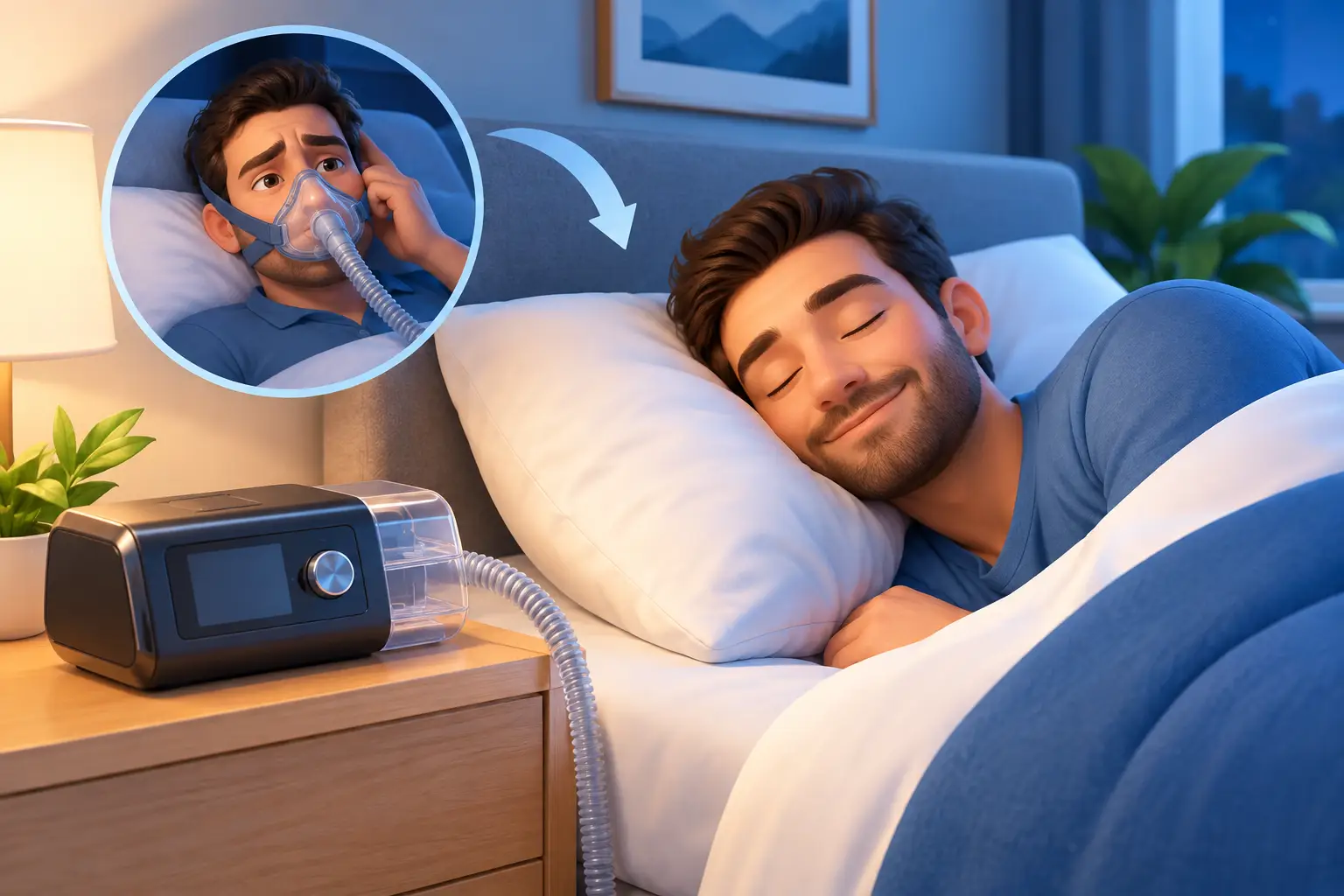
CPAP remains a highly effective treatment for obstructive sleep apnea, particularly when apnea is severe or other health factors are involved. For some patients, it is the best choice. For others, a custom mandibular advancement device can be a comfortable and practical alternative, or may be used when CPAP is not tolerated.
The most effective therapy is the one that is clinically appropriate and used consistently. An oral appliance is smaller and easier to travel with than CPAP, requires no electricity, and is quiet. On the other hand, it may not be suitable for everyone, and it can cause temporary jaw soreness, tooth pressure, bite changes, or excess saliva. These effects are often manageable with careful fitting and follow-up adjustments, but they should be discussed openly before treatment begins.
Questions worth asking during your appointment
A good consultation gives you room to ask direct questions. Consider asking whether your sleep study supports oral appliance therapy, what results are realistic for your condition, how the appliance will affect existing crowns or implants, and what follow-up is needed after delivery.
It is also reasonable to ask how treatment success will be confirmed. Many patients need a follow-up sleep test after the appliance is adjusted to verify that it is effectively reducing breathing interruptions. Feeling better is encouraging, but objective confirmation is an important part of responsible sleep apnea care.
Ask about costs and insurance as well. Coverage varies by plan, diagnosis, medical necessity requirements, and provider network. Your dental team can explain expected fees and help you understand the documentation that may be needed, but no office should promise coverage before your insurer confirms it.
Preparing for your consultation
You do not need to prepare perfectly. If possible, bring your sleep study report, a current medication list, your insurance information, and details about any CPAP experience. If you use CPAP, explain what has and has not worked. Maybe the mask leaks, the pressure feels uncomfortable, travel is difficult, or you remove it during the night without realizing it. Those details can help guide a more useful conversation.
It can also help to bring a partner's observations. They may have noticed pauses in breathing, gasping, frequent movement, or snoring patterns that you cannot hear yourself. Be honest about daytime fatigue, even if you have grown used to pushing through it. Sleep apnea symptoms can become so familiar that people underestimate their impact.
What happens if an oral appliance is right for you
If oral appliance therapy is recommended, the next step is usually digital scanning or impressions to create a custom device. Once it is ready, your dentist will fit it carefully, show you how to insert and clean it, and explain how adjustments work.
The appliance is typically adjusted gradually. Moving the jaw too far forward too quickly can create unnecessary discomfort, while too little advancement may not improve the airway enough. Follow-up appointments allow the dentist to fine-tune the fit, monitor your bite and jaw joints, and coordinate with your sleep physician as needed.
Long-term maintenance matters. Like a retainer or nightguard, an oral appliance needs regular cleaning and periodic examination. Teeth can shift, restorations can change, and your sleep needs may evolve over time. Ongoing care helps keep the device comfortable and effective.
Better sleep is not simply about feeling less tired at work. It can mean more energy for family, safer driving, clearer thinking, and greater confidence that your treatment plan is built around your health. If snoring, fatigue, or a diagnosed sleep apnea condition is affecting your life, a consultation can be a calm, informed place to start.