A tooth that has become painful, cracked, infected, or too loose to restore can affect much more than your smile. Tooth extraction is sometimes the healthiest next step, but it should never feel like a rushed decision. A careful exam, clear explanation of your options, and a plan for healing can make the experience far more manageable - especially if dental treatment has made you anxious in the past.
At Seattle Oral Care, we approach extraction with the same goal we bring to every treatment: protecting your long-term oral health while helping you feel informed and comfortable at each stage.
When Tooth Extraction Is the Right Choice
Saving a natural tooth is usually the preferred option. Treatments such as fillings, crowns, root canal therapy, or periodontal care can often preserve a damaged tooth for many years. Still, there are times when a tooth cannot be predictably restored or is putting surrounding tissues at risk.
Extraction may be recommended when decay has destroyed too much of the tooth, a fracture extends below the gumline, or infection has significantly weakened the supporting bone. Advanced gum disease can also cause teeth to become loose. Wisdom teeth may need removal when they are impacted, repeatedly inflamed, damaging a neighboring tooth, or difficult to keep clean.
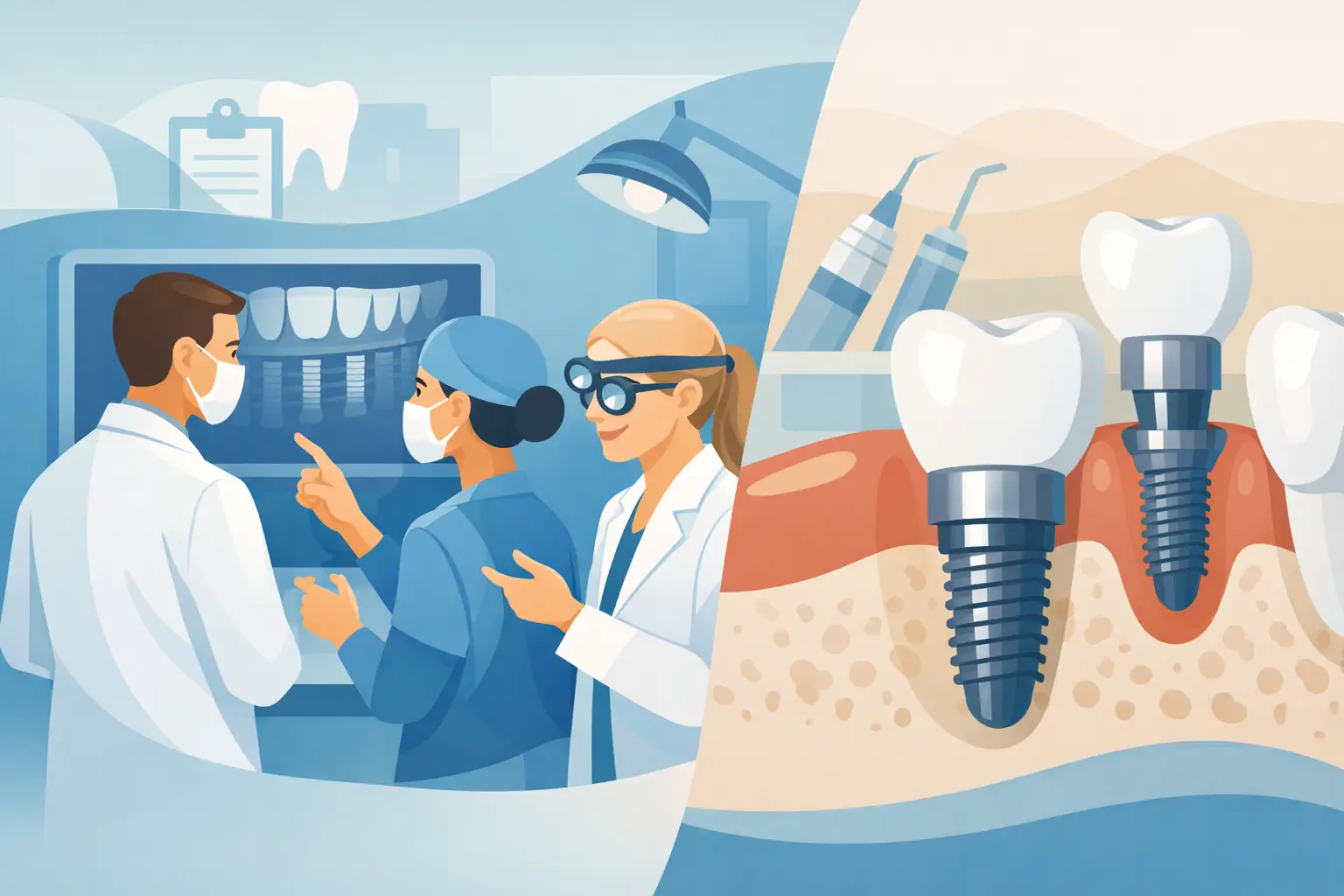
The recommendation depends on the full picture, not just what is visible above the gums. Your dentist may use digital imaging and a clinical exam to evaluate the tooth roots, nearby bone, neighboring teeth, bite forces, and signs of infection. If a tooth has a reasonable chance of lasting with treatment, that option should be part of the conversation. If it does not, removing it can relieve pain and prevent a more complicated problem.
What Happens During a Tooth Extraction
The procedure itself is often quicker and gentler than patients expect. Before treatment begins, the area is thoroughly numbed with local anesthetic. You should not feel sharp pain during the extraction, though you may notice pressure as the tooth is carefully loosened.
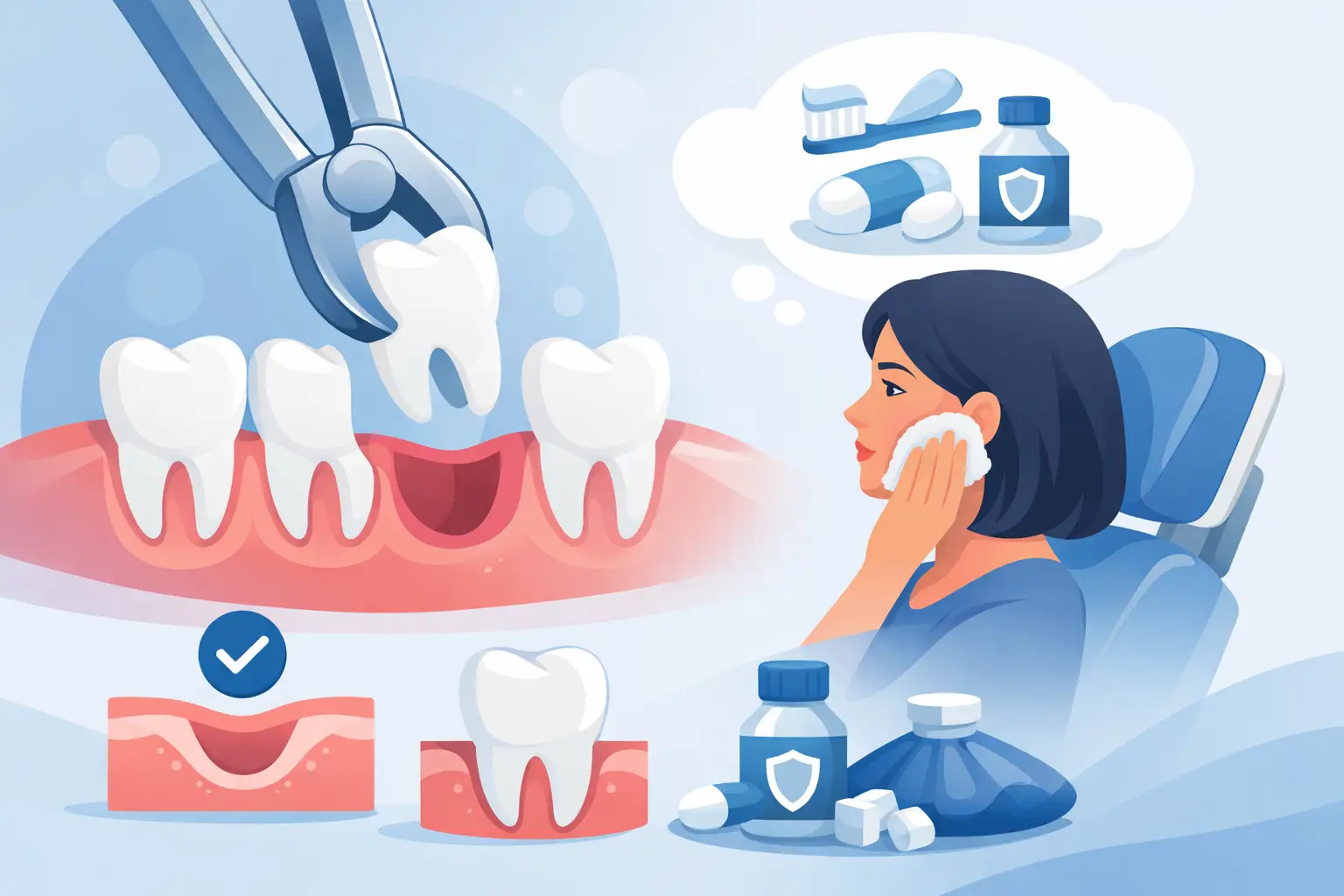
A simple extraction is used when the tooth is accessible above the gumline. The dentist gently loosens the tooth and removes it from its socket. A surgical extraction may be necessary when a tooth has broken at the gumline, has curved roots, or is impacted beneath the gums. In those situations, a small incision may be made and the tooth may be removed in sections to protect the surrounding bone and tissue.
For patients who feel especially nervous, discussing comfort options before the appointment can help. Dental fear is common, and it is reasonable to ask what you will feel, how long treatment may take, and what support is available. Knowing there is a plan can make a meaningful difference.
Protecting the Bone at the Extraction Site
When a tooth is removed, the jawbone in that area no longer receives the stimulation it once received from the tooth root. Over time, bone volume can diminish. This can affect the contours of the gums, neighboring teeth, and future replacement options.
For some patients, a bone graft placed at the time of extraction is recommended. This material supports the bone as the socket heals and may make it easier to place a dental implant later. A graft is not necessary for every extraction, particularly when a tooth will not be replaced or when the site has adequate bone. Your treatment plan should explain why it is or is not advised in your situation.
The First Days of Recovery
Healing begins when a blood clot forms in the empty socket. Protecting that clot is one of the most important parts of recovery. Your care team will provide personalized instructions, but most patients are asked to bite gently on gauze, rest for the remainder of the day, and avoid vigorous rinsing, spitting, or using a straw for the first 24 hours.
Some soreness, mild swelling, and light bleeding are normal after an extraction. These symptoms typically improve over several days. Cold compresses can reduce swelling, and prescribed or over-the-counter pain medication may be recommended based on your health history and the procedure performed.
Choose soft foods at first, such as yogurt, eggs, soup that is not hot, mashed vegetables, or smoothies eaten with a spoon. Keep the area clean according to your instructions, often with gentle saltwater rinses beginning the day after treatment. Avoid smoking or vaping during healing, as both can interfere with blood flow and significantly increase the risk of complications.
Call your dental office if bleeding does not slow with firm gauze pressure, pain becomes more severe after initially improving, swelling worsens after several days, or you develop fever, chills, or a foul taste. These signs do not always mean there is a serious issue, but they deserve prompt attention.
Understanding Dry Socket
Dry socket occurs when the protective blood clot is lost or does not form properly, leaving the bone and nerve endings in the socket exposed. It is more common after certain extractions, including wisdom tooth removal, and it can cause intense pain that may radiate toward the ear or jaw.
Following aftercare instructions greatly lowers the risk. If dry socket develops, your dentist can gently clean the site and place a soothing medicated dressing. Relief is available, so there is no need to try to push through severe pain on your own.
Replacing a Missing Tooth When It Matters
Not every missing tooth needs replacement. For example, a wisdom tooth generally does not need to be replaced after removal. In many other areas of the mouth, however, leaving a space can gradually affect your bite. Nearby teeth may shift or tip into the opening, the opposing tooth can over-erupt, and chewing may become less comfortable.
A dental implant is often the most tooth-like replacement option because it replaces the root as well as the visible tooth. The implant is placed in the jawbone, then restored with a custom crown after healing. It can help preserve bone and does not require altering neighboring healthy teeth.
A dental bridge may be appropriate when adjacent teeth already need crowns or when an implant is not the best fit for your health, timeline, or budget. A removable partial denture can replace one or more teeth and may be a practical option in certain situations. There is no single right choice for everyone. The best solution considers the location of the missing tooth, condition of nearby teeth and bone, medical history, appearance goals, and the kind of maintenance you are comfortable with.
In some cases, an implant can be placed immediately after extraction. In others, allowing the site to heal first offers a more predictable foundation. Careful planning with a restorative dentist and surgical team helps determine the right timing.
Give Yourself Time to Ask Questions
An extraction may feel like an ending, but it can also be the beginning of relief from pain, infection, and uncertainty. Ask why removal is recommended, whether the tooth can be saved, what healing will involve, and whether a replacement should be planned before treatment begins. A calm, well-explained plan can help you move forward knowing your comfort and lasting smile are being considered.