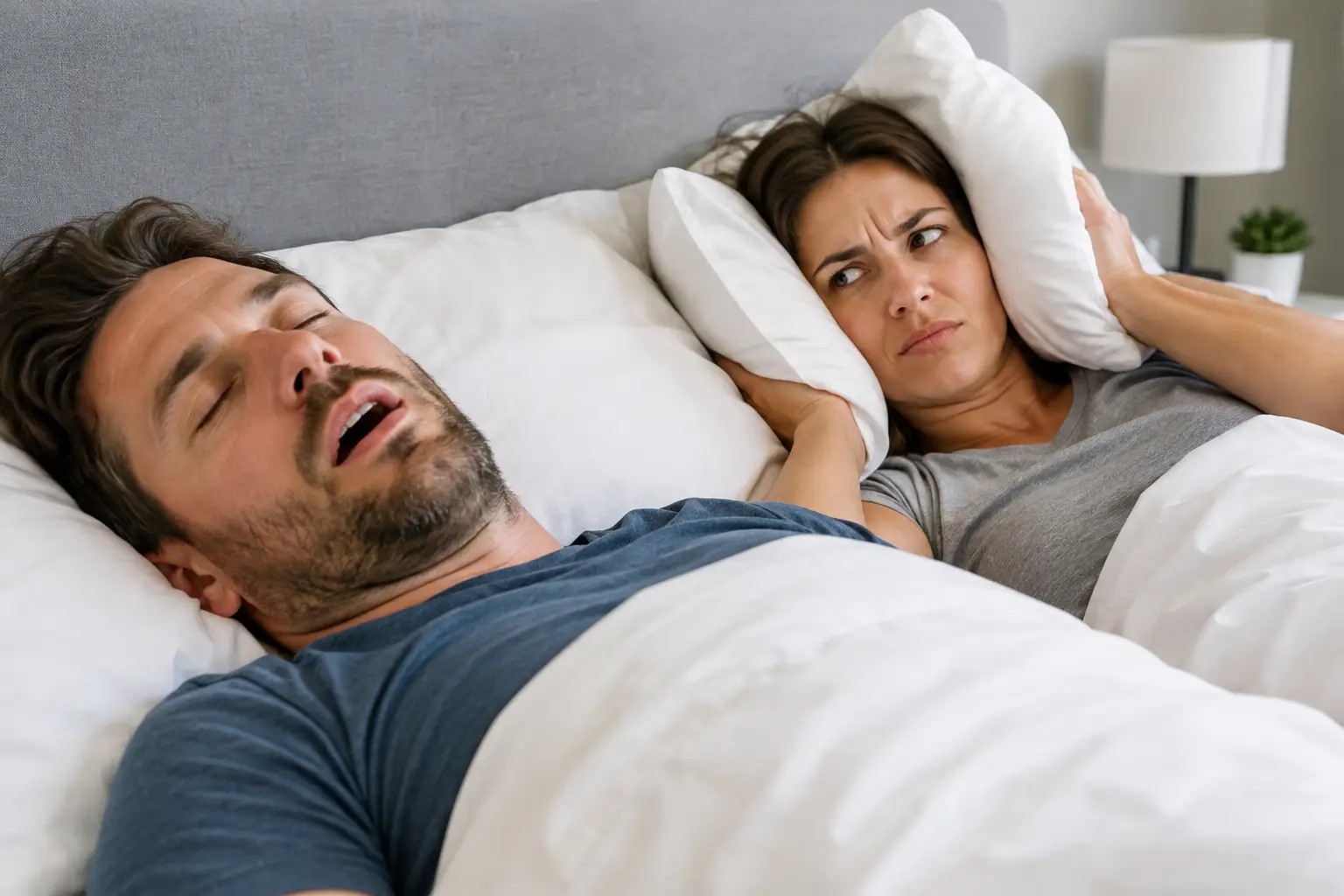
If you are asking, “why do I snore so loudly?” after hearing it from a spouse, roommate, or family member, you are not alone. Loud snoring can be disruptive, embarrassing, and exhausting for everyone in the room. More importantly, it can sometimes be a sign that breathing is being partially or repeatedly blocked during sleep.
Snoring is not automatically a medical emergency. Many people snore occasionally when they have a cold, sleep on their back, or have had a drink in the evening. But a person whose partner says their snoring is very loud, frequent, or interrupted by silence, gasping, or choking should take the concern seriously. The pattern matters as much as the volume.
Why do I snore so loudly?
Snoring happens when air has difficulty moving through the nose, mouth, and throat during sleep. As you relax, the soft tissues in the airway can narrow. Air moving through that smaller space makes tissues such as the soft palate, tongue, and throat walls vibrate. That vibration creates the familiar snoring sound.
The louder the snoring, the more turbulent the airflow may be. However, volume alone cannot tell you whether you have obstructive sleep apnea. Some people with very loud snoring do not have sleep apnea, while others with sleep apnea may not sound especially loud every night. A proper evaluation looks at your symptoms, health history, airway, and sometimes a sleep study.
Your natural anatomy can play a role. A narrow upper airway, larger tonsils, a long soft palate, nasal obstruction, a recessed jaw, or a tongue that falls backward during sleep can all reduce space for airflow. Age also matters because throat tissues can lose firmness over time.
Common causes of loud snoring
For many adults, loud snoring is caused by several factors working together rather than one single issue. Nasal congestion from allergies, a cold, or structural concerns such as a deviated septum can make you breathe through your mouth. Mouth breathing may increase vibration in the throat and make snoring more noticeable.
Body weight can also affect the airway. Extra tissue around the neck and throat may place more pressure on the breathing passage during sleep. That said, snoring and sleep apnea affect people at many body sizes. It is never helpful to assume that weight is the whole explanation or that a person who is not overweight cannot have an airway concern.
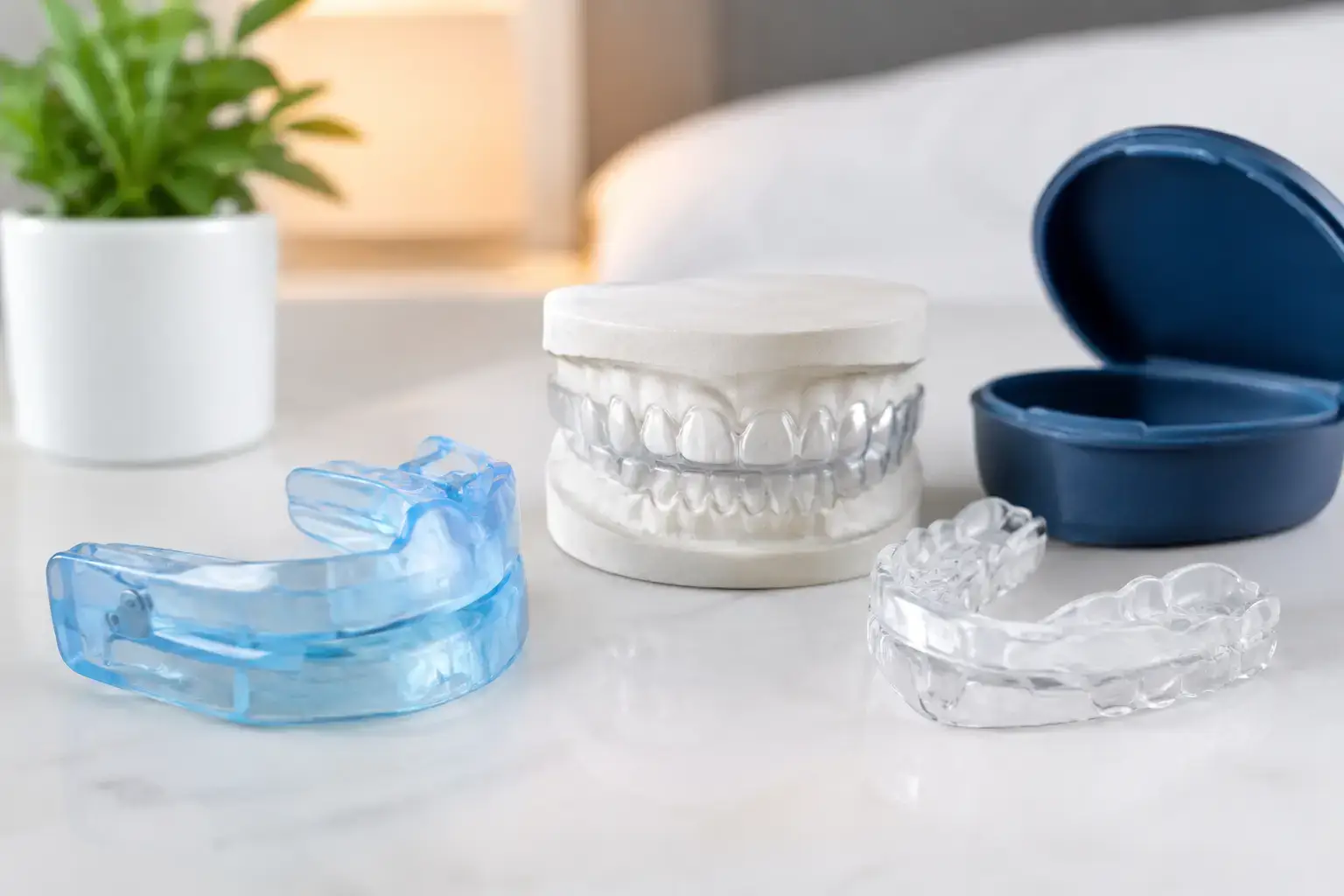
Jaw position is another consideration. When the lower jaw and tongue relax backward, they can narrow the airway behind them. This is one reason some patients benefit from a carefully fitted oral appliance that gently brings the lower jaw forward during sleep. Oral appliance therapy is not right for every person, but it can be an effective option for appropriate patients with snoring or certain levels of obstructive sleep apnea.
Alcohol and sedating medications may also contribute. They relax the muscles that help keep the airway open, so snoring can become louder or more frequent. Do not stop prescribed medication without speaking with the clinician who manages it, but do mention snoring and daytime tiredness at your appointment.
What makes snoring worse from night to night?
A familiar pattern is feeling that snoring is unpredictable. You may have several quiet nights, followed by a night when your partner barely sleeps. Certain habits and conditions often explain the difference.
Sleeping on your back is a common trigger. In that position, gravity can allow the tongue and soft tissues to move toward the back of the throat. Side sleeping may reduce snoring for some people, although it may not fully resolve an underlying airway blockage.
Evening alcohol, poor sleep, and sleep deprivation can make the muscles of the airway more relaxed. Smoking and vaping may irritate and inflame airway tissues. Seasonal allergies can create congestion, while acid reflux may irritate the throat in some people. A late, heavy meal may worsen reflux for those who are prone to it.
These changes can be worth addressing, but they are not a substitute for evaluation when symptoms suggest sleep apnea. Lifestyle adjustments may lower the volume of snoring, yet they cannot reliably treat repeated breathing pauses.
When loud snoring may point to sleep apnea
Obstructive sleep apnea occurs when the airway repeatedly narrows or closes during sleep. The brain briefly rouses the body to restart breathing, often without the person remembering it the next morning. This cycle can happen many times each night and may leave you feeling unrefreshed despite spending enough time in bed.
Pay close attention if loud snoring occurs alongside witnessed pauses in breathing, gasping, choking, morning headaches, dry mouth, frequent nighttime urination, irritability, or daytime sleepiness. Falling asleep unintentionally while reading, watching television, or driving is especially important to discuss with a healthcare professional.
Sleep apnea is associated with serious health concerns, including high blood pressure, heart disease, stroke risk, type 2 diabetes, and impaired alertness. Not everyone with these symptoms has sleep apnea, but they deserve more than a quick guess or an over-the-counter snoring product.
A sleep physician may recommend an at-home sleep test or an overnight sleep study. The results help determine whether sleep apnea is present and how severe it is. From there, treatment may include CPAP, oral appliance therapy, positional therapy, weight management when appropriate, treatment for nasal concerns, or a coordinated approach involving more than one option.
How a dental sleep evaluation can help
Dentists trained in dental sleep medicine can assess oral and jaw factors that may contribute to airway narrowing. They can also evaluate whether your teeth, gums, jaw joints, and bite can support an oral appliance safely and comfortably.
At Seattle Oral Care, sleep-focused care begins with listening. If you have been told that your snoring is unusually loud, the goal is not simply to quiet the sound. It is to understand whether your airway is being affected and help you move toward a solution that fits your health needs and daily life.
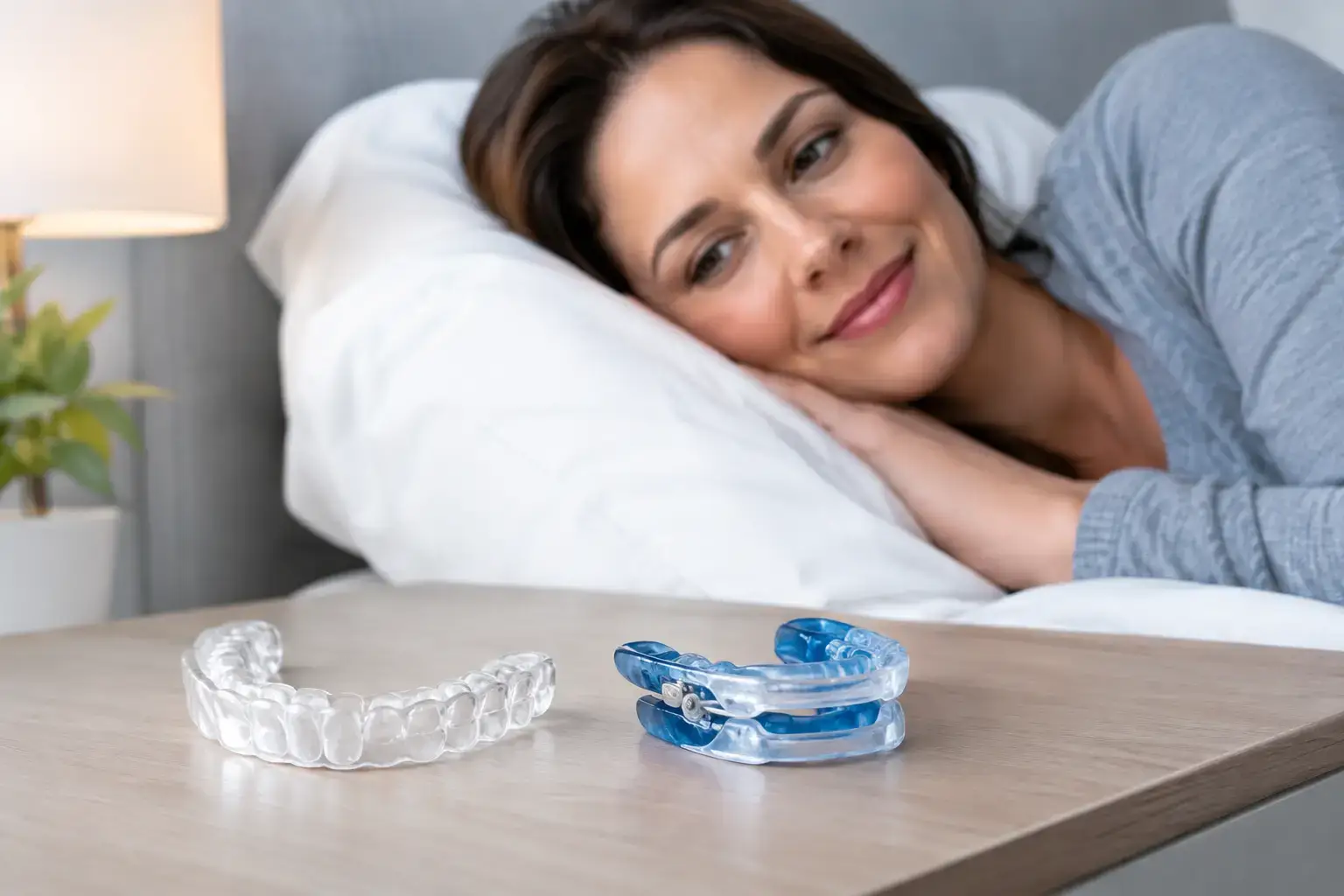
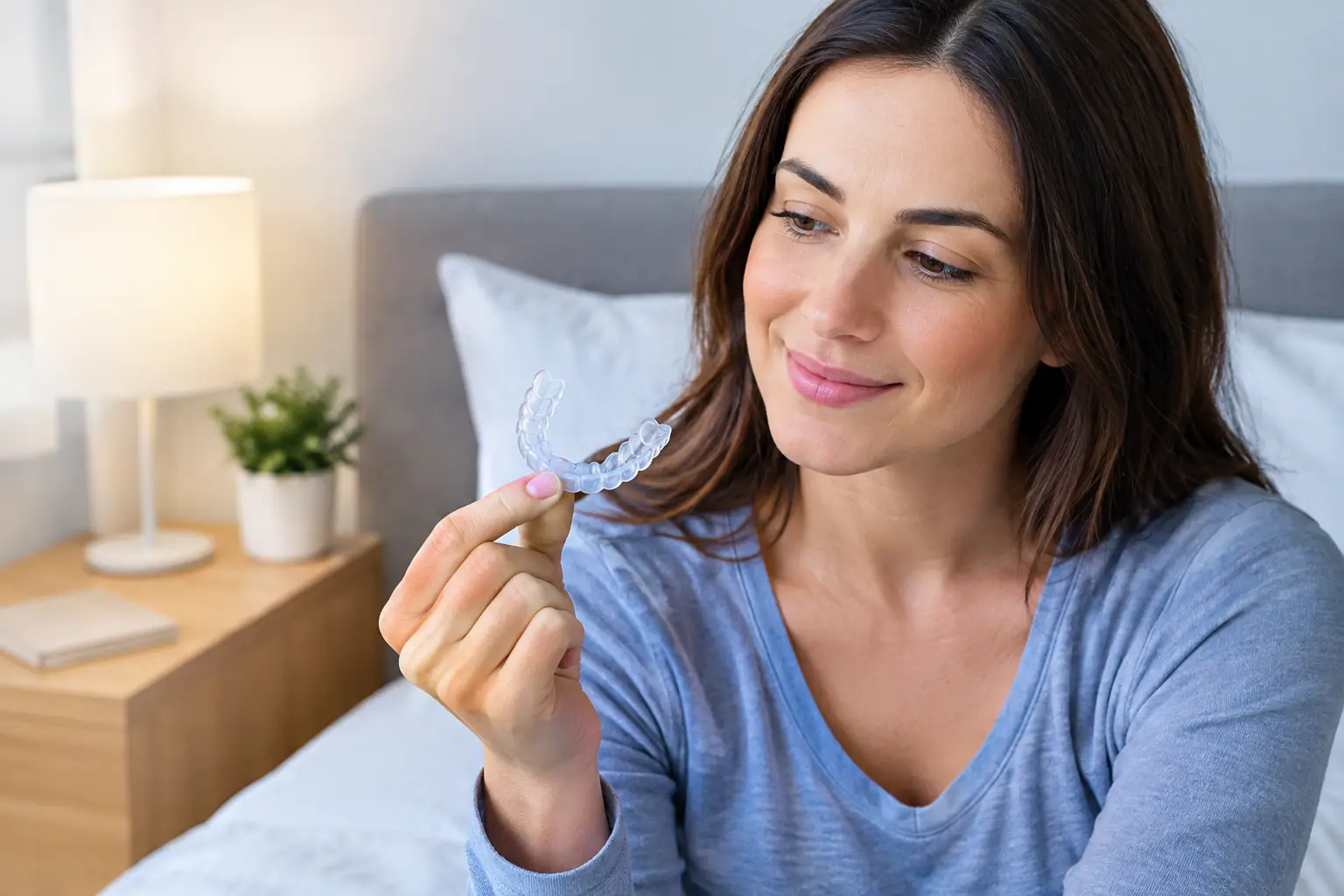
For patients diagnosed with obstructive sleep apnea, a custom oral appliance may be considered in coordination with a sleep physician. These devices are different from generic boil-and-bite mouthguards. A custom appliance is designed to fit your teeth precisely and is adjusted over time to improve airway support while protecting comfort, jaw function, and dental health.
There are trade-offs to consider. CPAP is often recommended for moderate to severe sleep apnea and can be highly effective when used consistently. An oral appliance may be a strong alternative for some patients with mild to moderate obstructive sleep apnea, or for patients who cannot tolerate CPAP. Your diagnosis, anatomy, medical history, and preferences should guide the plan.
What you can do before your appointment
Start by noticing the pattern for one to two weeks. Ask your partner whether they hear pauses, gasping, or choking, not just loud noise. Note whether snoring is worse after alcohol, when you are congested, or when you sleep on your back. If you use a wearable device or phone recording, treat it as a conversation starter rather than a diagnosis.
You can also try side sleeping, keeping allergy symptoms managed with guidance from your healthcare provider, avoiding alcohol close to bedtime, and maintaining a consistent sleep schedule. If you are excessively sleepy during the day, avoid driving when drowsy and seek prompt medical guidance.
Loud snoring is often a signal worth listening to, especially when someone who sleeps nearby has noticed a change. A thoughtful evaluation can replace uncertainty with a clearer path toward quieter nights, better rest, and more confident mornings.